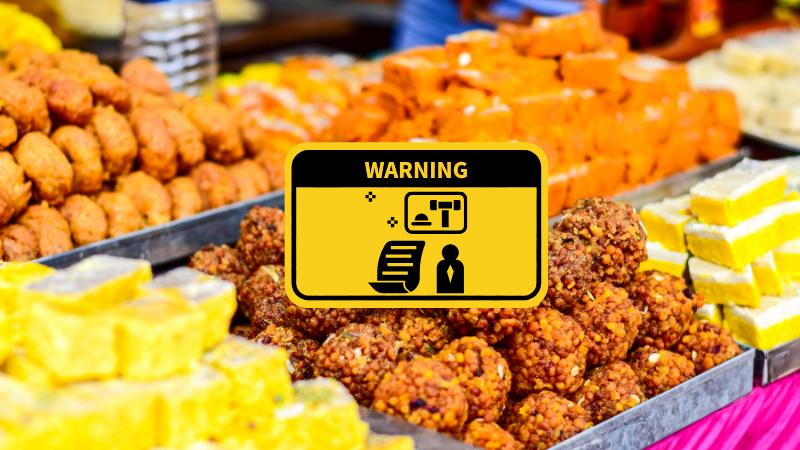
In a bold move to combat the country’s escalating obesity crisis, India’s health ministry has announced a new initiative requiring health warnings on popular deep-fried and sugary snacks such as samosas and jalebis. These foods, deeply embedded in Indian culinary tradition, are now being targeted for their high calorie, fat, and sugar content as the government ramps up efforts to curb rising cases of obesity, diabetes, and cardiovascular diseases.
The health ministry has directed top medical institutions, including All India Institute of Medical Sciences (AIIMS) Nagpur, to display prominent “oil and sugar boards” in public dining spaces and hospital cafeterias. These informative posters will resemble the stark warning labels typically found on cigarette packets and will provide nutritional alerts about high-fat, high-sugar foods commonly consumed by the public. The decision aligns with a larger national campaign aimed at encouraging healthier eating choices without enforcing a ban on traditional Indian snacks.
Health experts and policy advisors backing the initiative say the move is not meant to demonize cultural foods but to increase public awareness about the nutritional content and health consequences of excessive consumption. Items like samosas, jalebis, gulab jamuns, and other deep-fried or syrup-drenched snacks will soon appear on what officials are calling an official “health alert list.” These warnings are expected to guide consumers toward making informed decisions, especially as India braces for a potential health crisis due to non-communicable lifestyle-related diseases.
According to projections by public health researchers, over 449 million Indians could be overweight or obese by 2050, which would make India the second most affected country in the world by obesity. This estimate has alarmed public health officials, who say the number of young people and children affected is rising rapidly due to processed food consumption, sedentary lifestyles, and lack of awareness. The new labeling initiative is therefore being positioned as a preventive step rather than a reactive one.
This development also fits squarely into the broader goals of the “Fit India” movement championed by Prime Minister Narendra Modi. That campaign promotes a 10 percent reduction in edible oil usage across households and emphasizes the importance of adopting daily physical activity, dietary discipline, and public education on nutrition. The newly introduced food warnings will be used as a visual education tool, especially in government-run facilities, to signal the potential dangers of high oil and sugar intake.
Medical professionals have strongly endorsed the campaign, stating that the Indian public is grossly unaware of the harmful impact of their daily food choices. Dr. Amar Amale, president of the Cardiological Society of India’s Nagpur chapter, compared the health risks of daily indulgence in sugary and fried snacks to tobacco consumption. In his words, sugar and trans fats are becoming “the new tobacco” for India. He emphasized that these foods have a direct link to the country’s growing burden of heart disease, obesity, and diabetes.
Supporting this view, Dr. Sunil Gupta, a senior diabetologist, highlighted the shocking sugar content found in common Indian sweets. He noted that a single gulab jamun may contain up to five teaspoons of sugar, which is far above the recommended daily intake for most individuals. Dr. Gupta believes that if such nutritional information were displayed clearly in cafeterias and eateries, many people might reduce or reconsider their consumption of these foods.
Despite initial skepticism from some food vendors and cultural critics, the health ministry clarified that the intent is not to enforce bans but to spark awareness and voluntary change. Traditional foods will still be available, but the hope is that consumers, armed with nutritional knowledge, will naturally gravitate toward moderation or healthier alternatives. Public feedback will likely be monitored during the initial phase to assess the impact of these informational warnings on consumption behavior.
This initiative may pave the way for broader policy shifts in how India handles its fast-evolving food landscape. As the availability of processed and high-calorie food expands rapidly across both urban and rural areas, experts agree that interventions such as labeling, public education, and food marketing reform are necessary to protect public health.
While changing deeply ingrained dietary habits is no small task in a country with diverse food traditions, the government believes that transparent communication and visual nudges may serve as powerful tools in influencing choices. If successful, this model could also be extended to other high-risk food items, including sugary beverages, packaged snacks, and fast foods.
As the initiative unfolds, it remains to be seen how the public will respond to these new labels and whether it will significantly shift consumer behavior. However, one thing is clear: India is beginning to confront its nutrition crisis head-on, and health warnings on samosas and jalebis might just be the beginning of a larger revolution in the country's approach to food and public health.