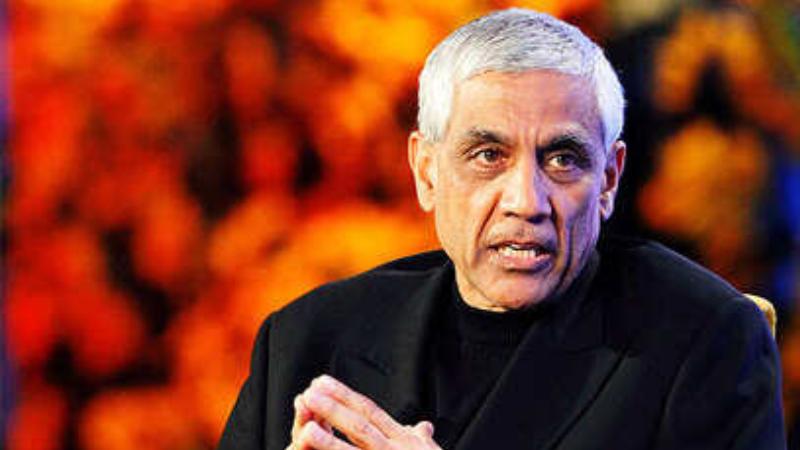
Tech investor and venture capitalist Vinod Khosla has warned that the United States could lose its leadership position in climate technology due to ongoing immigration restrictions, many of which stem from policies introduced during former President Donald Trump’s administration. Speaking at a recent conference in Seattle, Khosla emphasized that innovation in climate-focused sectors is already being hindered by a slowdown in the inflow of skilled workers from abroad.
Khosla, the founder of Khosla Ventures and a long-time advocate for sustainable innovation, argued that the U.S. needs a continuous supply of top-tier global talent to remain competitive in solving the climate crisis. He pointed out that immigration policy plays a central role in determining whether those minds choose to contribute to the American innovation ecosystem or take their ideas and expertise elsewhere. According to Khosla, the decline in visa approvals and growing uncertainty around immigration rules have already triggered a damaging talent outflow to countries with more welcoming policies.
“The biggest damage is the slowdown in the import of talent,” Khosla said during a live discussion. “That reduces our ability to have the kinds of breakthroughs which will allow the U.S. to address climate change and grow the economy.” His comments reflect a growing concern in the tech and environmental sectors that America's restrictive immigration stance could derail efforts to lead in clean energy, climate resilience, and green infrastructure innovation.
Khosla highlighted that other countries, including Canada, Germany, and France, are seizing the opportunity created by U.S. policy changes. These nations are actively courting scientists, engineers, and tech entrepreneurs with incentives, faster visa processes, and dedicated support programs. This brain drain, he warned, could have long-lasting consequences for the American economy and its position as a climate tech leader.
The Trump administration implemented sweeping changes to immigration policy, including tightening work visa requirements even for highly qualified professionals. In addition to increased scrutiny of H-1B visas and other employment-based permits, the administration expanded deportation initiatives and built more than 60 new detention facilities. These efforts have created a climate of fear and instability among both immigrant communities and employers reliant on foreign talent.
Khosla also drew attention to the rising competition for skilled professionals from the artificial intelligence sector. He noted that as AI becomes the dominant force in global innovation, more scientists and technologists are being drawn to it, often at the expense of climate-related research and development. This double pull—from both immigration restrictions and AI industry demand—is thinning the pool of individuals dedicated to solving one of the world’s most urgent challenges.
Importantly, the trend isn't limited to foreign nationals. U.S.-born researchers and entrepreneurs in the climate space are also beginning to look overseas for better opportunities, citing reduced federal support, diminishing clean energy grants, and a lack of long-term investment in green infrastructure. As these professionals seek out environments where their work can thrive, the U.S. risks falling behind in a field it once led.
Despite mounting concerns from business and scientific communities, Trump-era policymakers maintain that stricter immigration enforcement benefits American workers. White House spokesperson Abigail Jackson commented that the administration's policies are designed to prioritize domestic labor. “There is no shortage of American minds and hands to grow our labor force. President Trump’s mass deportation campaign means higher wages and more opportunity for American workers,” she said.
However, experts argue that innovation is not a zero-sum game. The presence of international talent often drives new research, forms startups, and creates jobs for local populations. In sectors like climate tech—where cutting-edge innovation and collaboration are essential—limiting global participation may prove counterproductive to both environmental goals and economic growth.
As climate change accelerates and the need for scalable solutions becomes more urgent, the role of talent mobility is taking center stage in policy debates. Investors, academics, and business leaders are increasingly urging lawmakers to recognize the strategic importance of skilled immigration in maintaining the country’s innovation capacity.
Vinod Khosla’s remarks serve as a broader warning: if the U.S. continues to restrict the flow of international talent, it may not only lose its competitive edge but also delay critical progress in addressing the global climate crisis. The coming years may determine whether America chooses to embrace openness and innovation or allows short-term political pressures to undermine its long-term future as a leader in sustainability and technology.