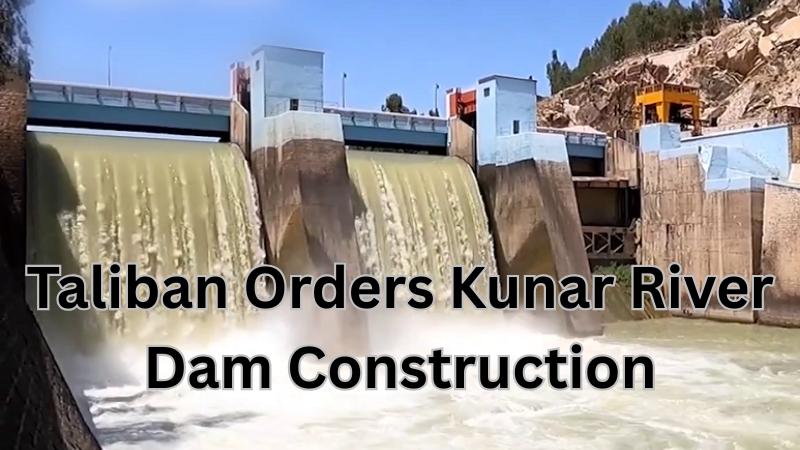
In a major geopolitical development, Taliban-ruled Afghanistan has decided to restrict Pakistan’s access to cross-border river water by constructing a dam on the Kunar River. The directive came from Supreme Leader Mawlawi Hibatullah Akhundzada, who ordered the Ministry of Water and Energy to begin construction “as fast as possible.” This move comes just weeks after deadly border clashes between Afghanistan and Pakistan that claimed hundreds of lives and amid heightened tensions following India’s suspension of the Indus Waters Treaty.
The Kunar River, which originates in Afghanistan and flows into Pakistan’s Khyber Pakhtunkhwa before merging with the Kabul River, is critical to Pakistan’s agriculture and irrigation. Experts warn that damming the river could drastically reduce water flow into Pakistan’s Indus basin, affecting crops and energy production. Afghanistan, which has long sought to assert its water sovereignty, argues that it has the right to harness its rivers for hydropower and development. The Taliban regime has been pushing for domestic construction contracts to reduce dependency on foreign firms.
This move also follows a recent visit by Afghan Foreign Minister Amir Khan Muttaqi to India, where both countries reaffirmed cooperation on hydropower and dam projects. India’s role in the construction of the Salma and Shahtoot dams has already strengthened Afghanistan’s water management capabilities. As Kabul advances its Kunar River project, analysts predict that South Asia may face a new phase of regional water diplomacy or potential conflict over transboundary rivers.