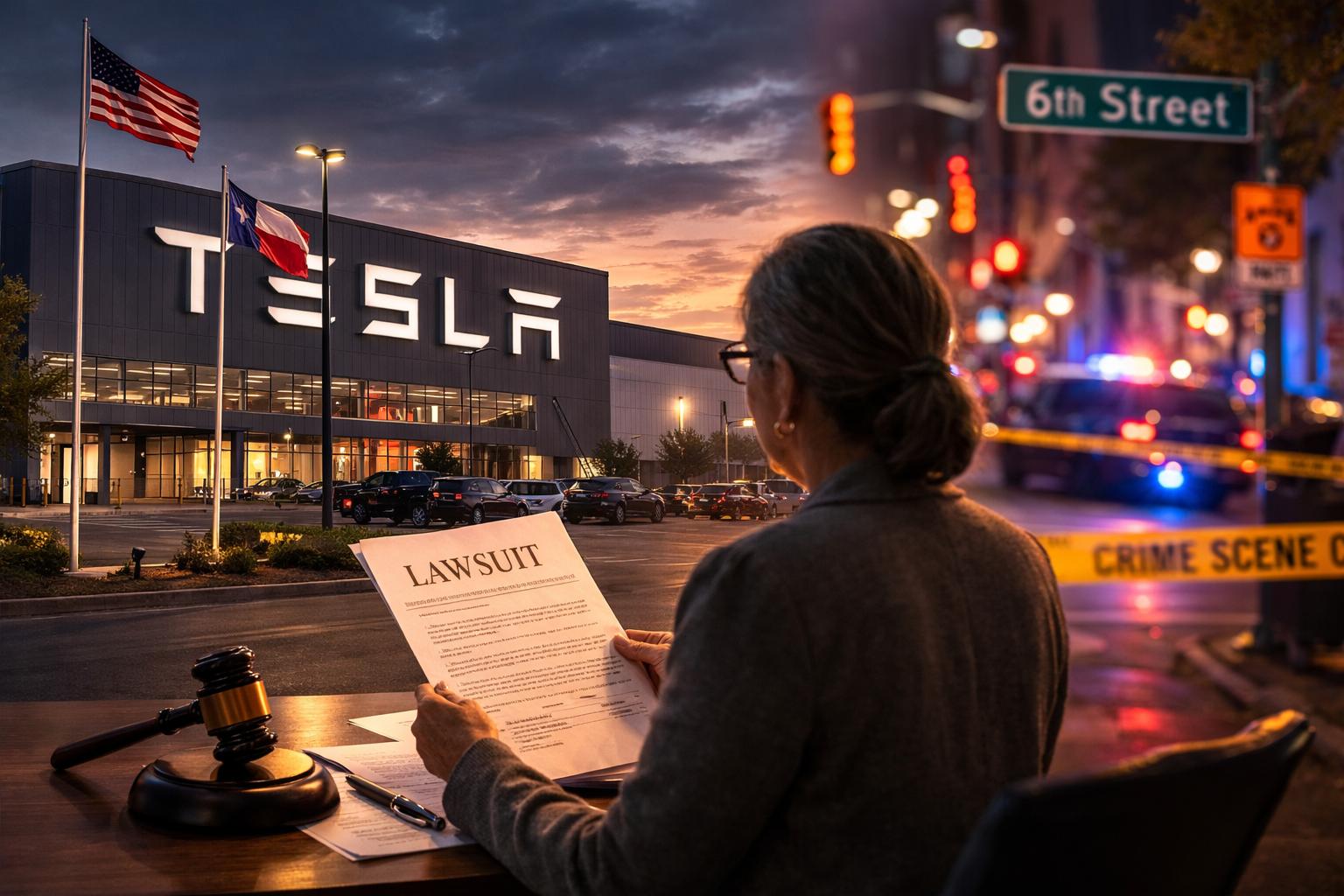
The lawsuit was filed by 65-year-old Lillian Mendoza Brady, who said she first realized the identity of the man she claims attacked her when she saw his name reported in news coverage of the fatal shooting in Austin’s entertainment district. According to her attorney, Brady immediately recognized the suspect as the same individual who had violently confronted her at the Tesla facility.
Court documents state that the incident occurred on December 4 when Brady was walking through a common area of the Tesla gigafactory. The lawsuit alleges she noticed another employee praying in the walkway and paused to avoid disturbing him. As she attempted to quietly move around him, the man allegedly jumped up, grabbed her, and threw her to the ground. Brady and the man were not known to each other before the encounter, according to the complaint.
Her attorney said Brady reported the incident to authorities at the factory shortly after it happened and believed the assault constituted a felony offense. However, the lawsuit claims the company declined to provide the suspect’s name or security video of the incident at the time, making it difficult for her to pursue further action.
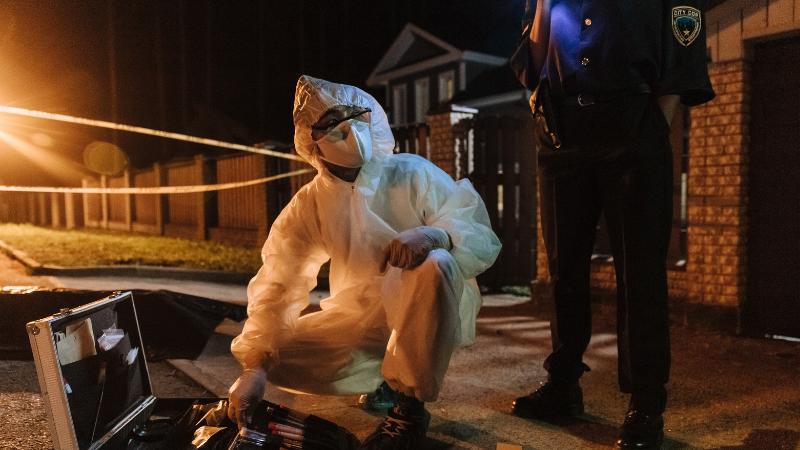
The case was later investigated by the Travis County Sheriff’s Office but was eventually closed by exception following the death of the suspect. Brady says the attack left her with injuries to her back, neck, and hips and forced her to miss six weeks of work while recovering.
The lawsuit seeks more than one million dollars in damages and argues that Tesla should have been aware of the employee’s aggressive behavior and taken steps to protect workers. Her attorney said the case centers on whether the company had prior knowledge about the man’s behavior and whether stronger workplace safety measures could have prevented the incident.
The broader case has also drawn attention in Washington. During remarks on the House floor, U.S. Representative Chip Roy of Texas raised concerns about the suspect’s immigration history. Roy stated that the gunman emigrated from Senegal in 2000, later obtained legal permanent residency in 2006, and eventually became a U.S. citizen in 2012.
Roy said the situation raises broader questions about immigration oversight and national security. Meanwhile, Brady’s lawsuit focuses on workplace safety and accountability, arguing that employees have a right to a secure environment and that employers must respond appropriately to reports of violence within their facilities.