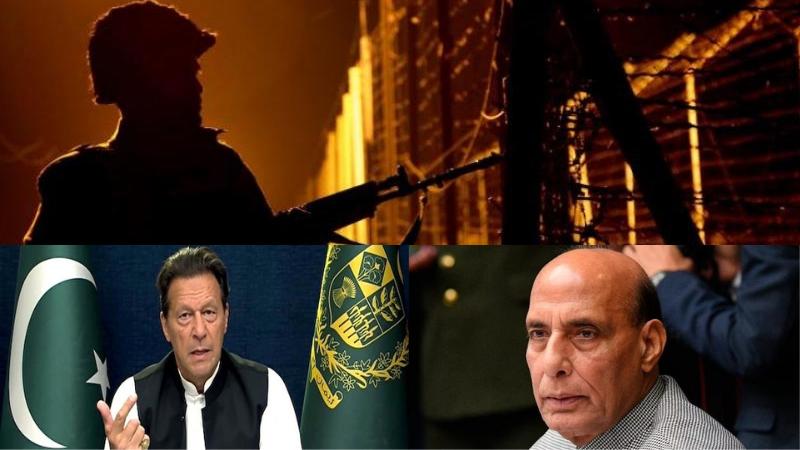
Tensions between India and Pakistan have reached a boiling point following the devastating terror attack in Pahalgam, Jammu and Kashmir on April 22, 2025. In what is now being described as one of the worst attacks on tourists in recent memory, 26 people, including a Nepali national, were gunned down in the Baisaran Valley, a scenic hilltop location often called “Mini Switzerland” for its lush landscapes and popularity among travelers.
Since the day after the attack, the Line of Control (LoC) between the two nations has become a volatile region with continuous ceasefire violations from the Pakistani side. For the 11th consecutive night, between May 4 and May 5, Pakistani troops reportedly fired small arms from posts across areas opposite Kupwara, Baramulla, Poonch, Rajauri, Mendhar, Naushera, Sunderbani, and Akhnoor. The Indian Army responded promptly and with full force. According to defense sources, the firing began shortly after India suspended the Indus Waters Treaty on April 24, citing provocation and security concerns.
The terror strike in Pahalgam was carried out by multiple heavily armed militants believed to have crossed the border with assistance from groups operating from Pakistani soil. The attack was indiscriminate and cruel, targeting civilians and tourists including women, children, and elderly people who were enjoying a vacation in the valley. Survivors captured haunting footage showing the chaos, with people running for safety, injured individuals being carried to vehicles, and the horrifying sounds of gunfire echoing through the region.
UN Intervention and Diplomatic Reactions
In response to the escalating conflict, the United Nations Security Council is scheduled to meet today to discuss the situation in South Asia. This rare emergency session is seen as a sign of global concern regarding the rising hostilities between the two nuclear-armed nations. The UN had previously condemned the April 22 terror attack in the strongest terms and emphasized the importance of holding the perpetrators and their sponsors accountable.
The meeting is expected to see both India and Pakistan present their versions of the unfolding crisis. While India is likely to reiterate its stance on cross-border terrorism and its right to retaliate, Pakistan has declared that it will inform the Council of what it calls "India’s aggressive actions and provocative behavior." Amid the rising tension, Indian Defence Minister Rajnath Singh made a public statement asserting the country’s readiness to give a “befitting reply” to those who dare to challenge India's sovereignty. He emphasized that it is his duty to work alongside the armed forces to ensure the protection of national borders and the safety of Indian citizens.
In Pakistan, political turmoil adds complexity to the conflict. Imran Khan’s party, the Pakistan Tehreek-e-Insaf (PTI), announced it would not attend the government’s national briefing on the India-Pakistan crisis, criticizing the lack of seriousness and exclusion of key political figures in forming a consensus response. As expected, digital platforms are also being impacted. Social media restrictions have come into play, with several Pakistani celebrities and artists, including singer Abida Parveen, finding their Instagram accounts blocked in India. Earlier, the Indian government had taken similar action against 16 Pakistani YouTube channels for allegedly spreading misinformation and inflammatory content targeting Indian security agencies.
Experts warn that the situation could escalate beyond control if not handled with strategic caution. Former diplomat Ajay Bisaria, who once served as India’s High Commissioner to Pakistan, cautioned against letting public anger dictate military actions. He highlighted the importance of operational secrecy, preparedness, and political will when responding to such complex geopolitical events.
India has made it clear that the Pahalgam attack marks a red line. Security agencies have launched extensive search operations across Jammu and Kashmir, especially in the forest areas around Baisaran, where the terrorists are believed to have retreated. Meanwhile, the emotional impact of the attack lingers among citizens, pushing calls for accountability and justice to the forefront of national discourse. As the UN Security Council convenes and global leaders monitor the developments closely, the region holds its breath. Whether diplomacy can override gunfire remains uncertain, but the next steps taken by both India and Pakistan could define regional stability for months, or even years, to come.