- globetrotter
- 10 Feb 2025
- #Global News
Trump Imposes 25% Tariffs on Steel and Aluminum Imports Starting Monday
A Major Trade Shift to Protect U.S. Industries
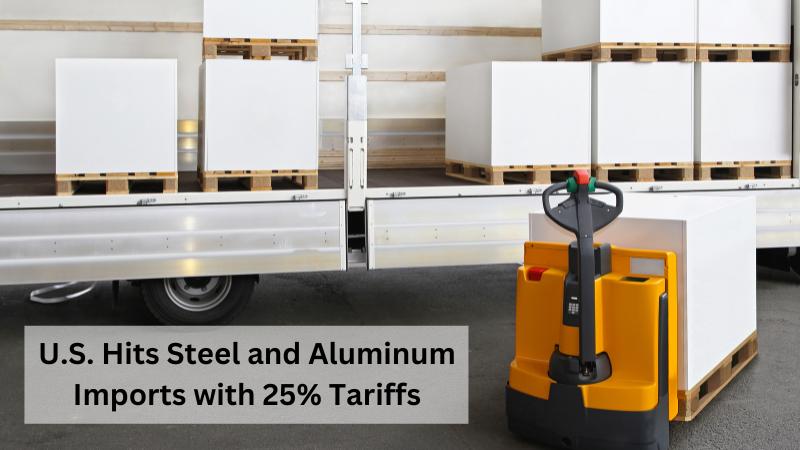
In a bold move to reshape U.S. trade policy, former President Donald Trump announced a 25% tariff on all steel and aluminum imports, set to take effect on Monday, February 10, 2025. This decision is aimed at protecting domestic industries from foreign competition, ensuring stronger U.S. production, and addressing ongoing trade imbalances.
Speaking on Sunday, Trump reinforced his commitment to an "America First" trade strategy, stating that these tariffs are critical for reviving domestic manufacturing and reducing dependence on foreign metal imports.
Trump’s Plan: Reciprocal Tariffs to Follow
Alongside the steel and aluminum tariffs, Trump hinted at a broader "reciprocal tariff" policy, expected to be announced by midweek. This measure will match the tariffs imposed by foreign countries on U.S. goods, effectively leveling the playing field for American businesses.
"We're no longer going to allow other countries to take advantage of American industries," Trump said. "If they impose tariffs on us, we will respond in kind."
Global Reactions and Diplomatic Tensions
The tariff announcement has already triggered international responses, particularly from Canada, one of the largest steel and aluminum exporters to the U.S. Canadian officials have pushed back against the move, emphasizing how their exports are crucial to key U.S. industries, including defense, shipbuilding, and automotive manufacturing.
Canadian Innovation Minister François-Philippe Champagne responded, stating,
"Canadian steel and aluminum support key industries in the U.S. We will continue to stand up for Canada, our workers, and our industries."
Other major steel-producing nations, including China and the European Union, have also voiced concerns, warning that these tariffs could escalate trade tensions and disrupt global supply chains.
Market Impact: Stocks React to Tariff Announcement
Financial markets have already started responding to Trump’s tariff plan:
Dow Jones futures fell by 63 points following the announcement.
S&P 500 and Nasdaq Composite futures dipped by around 0.2%, reflecting investor caution.
Steel and aluminum stocks surged, as domestic producers are expected to benefit from the import restrictions.
Investors and economic analysts are closely watching how these tariffs will impact inflation, production costs, and consumer prices in the coming months.
Potential Consequences for Consumers & Businesses
While the tariffs aim to protect American industries, they could also lead to higher prices for products relying on steel and aluminum, including:
- Cars and trucks
- Construction materials
- Appliances and electronics
- Beverage cans and packaging
Some U.S. manufacturers fear that higher material costs could make their products less competitive globally, potentially leading to job losses in sectors that depend on imported metals.
What’s Next?
With the 25% tariffs set to take effect Monday, businesses, trade partners, and financial markets are bracing for potential economic shifts. The next key development to watch is Trump's upcoming announcement on reciprocal tariffs, which could further reshape international trade relations.