A major hospital in downtown Chicago has unveiled plans to construct a new tower on its Streeterville campus that would significantly enhance its ability to deliver advanced cancer treatment and expand overall patient care capacity. The project aims to centralize cancer services and increase the number of medical and intensive care beds available to meet rising demand.
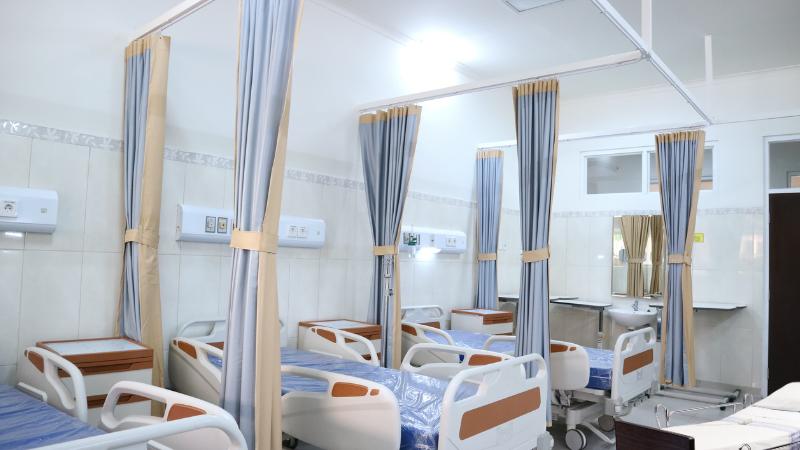
The proposed tower would include up to 278 medical and surgical beds and add 36 intensive care unit beds. This expansion is intended to improve access to high-quality inpatient services, especially for those undergoing complex treatments such as cancer therapies, by unifying care in a single, specialized facility. The new tower is slated to rise across the street from the existing hospital pavilion on East Huron Street, placing it at the heart of the Streeterville medical district.
The hospital has submitted the proposal for review to the Illinois Health Care Facilities and Services Review Board, which oversees major healthcare construction projects throughout the state. Approval from the board is required before construction can begin. If all goes according to plan, the new facility could open its doors by 2031.
This development is part of a broader effort to align patient care infrastructure with the needs of a growing and aging population that requires more specialized treatment. By consolidating oncology services and boosting ICU capacity, the hospital is aiming to streamline workflows, reduce patient transfer times, and improve the overall quality of care.
In addition to improving operational efficiency, the new tower is expected to help alleviate ongoing capacity pressures. Hospitals across the country have continued to face challenges related to bed shortages, especially in critical care units. Expanding both general and intensive care bed counts helps ensure that hospitals are better equipped to respond to future health demands, whether from chronic illnesses, emergent medical conditions, or large-scale public health emergencies.
The Streeterville location has long been a focal point for healthcare delivery in the city, offering a dense cluster of medical services in close proximity to academic, research, and patient care resources. The addition of a new high-capacity tower at this site is intended to strengthen that role and further integrate services within the existing campus footprint.
Construction of this scale also typically brings economic and employment benefits, as the project would likely involve a wide range of healthcare professionals, support staff, contractors, and suppliers throughout its development and beyond. While details regarding design, cost, and construction phases have not yet been disclosed, the hospital has signaled that the project represents a major step forward in its long-term vision for providing comprehensive, patient-centered care.
Pending regulatory approval, the tower would become one of the most significant healthcare expansions in Chicago over the coming decade. It marks a clear commitment to investing in high-demand specialties such as cancer treatment, while also addressing broader infrastructure needs tied to inpatient and critical care.
As plans move ahead, the project will continue to draw attention from community members, healthcare professionals, and industry observers watching how major institutions are adapting to the evolving healthcare landscape. If approved, the tower is set to play a key role in shaping the future of care in the region, with the potential to impact thousands of patients every year through expanded access, enhanced facilities, and more centralized services.
The proposed tower would include up to 278 medical and surgical beds and add 36 intensive care unit beds. This expansion is intended to improve access to high-quality inpatient services, especially for those undergoing complex treatments such as cancer therapies, by unifying care in a single, specialized facility. The new tower is slated to rise across the street from the existing hospital pavilion on East Huron Street, placing it at the heart of the Streeterville medical district.
The hospital has submitted the proposal for review to the Illinois Health Care Facilities and Services Review Board, which oversees major healthcare construction projects throughout the state. Approval from the board is required before construction can begin. If all goes according to plan, the new facility could open its doors by 2031.
This development is part of a broader effort to align patient care infrastructure with the needs of a growing and aging population that requires more specialized treatment. By consolidating oncology services and boosting ICU capacity, the hospital is aiming to streamline workflows, reduce patient transfer times, and improve the overall quality of care.
In addition to improving operational efficiency, the new tower is expected to help alleviate ongoing capacity pressures. Hospitals across the country have continued to face challenges related to bed shortages, especially in critical care units. Expanding both general and intensive care bed counts helps ensure that hospitals are better equipped to respond to future health demands, whether from chronic illnesses, emergent medical conditions, or large-scale public health emergencies.
The Streeterville location has long been a focal point for healthcare delivery in the city, offering a dense cluster of medical services in close proximity to academic, research, and patient care resources. The addition of a new high-capacity tower at this site is intended to strengthen that role and further integrate services within the existing campus footprint.
Construction of this scale also typically brings economic and employment benefits, as the project would likely involve a wide range of healthcare professionals, support staff, contractors, and suppliers throughout its development and beyond. While details regarding design, cost, and construction phases have not yet been disclosed, the hospital has signaled that the project represents a major step forward in its long-term vision for providing comprehensive, patient-centered care.
Pending regulatory approval, the tower would become one of the most significant healthcare expansions in Chicago over the coming decade. It marks a clear commitment to investing in high-demand specialties such as cancer treatment, while also addressing broader infrastructure needs tied to inpatient and critical care.
As plans move ahead, the project will continue to draw attention from community members, healthcare professionals, and industry observers watching how major institutions are adapting to the evolving healthcare landscape. If approved, the tower is set to play a key role in shaping the future of care in the region, with the potential to impact thousands of patients every year through expanded access, enhanced facilities, and more centralized services.