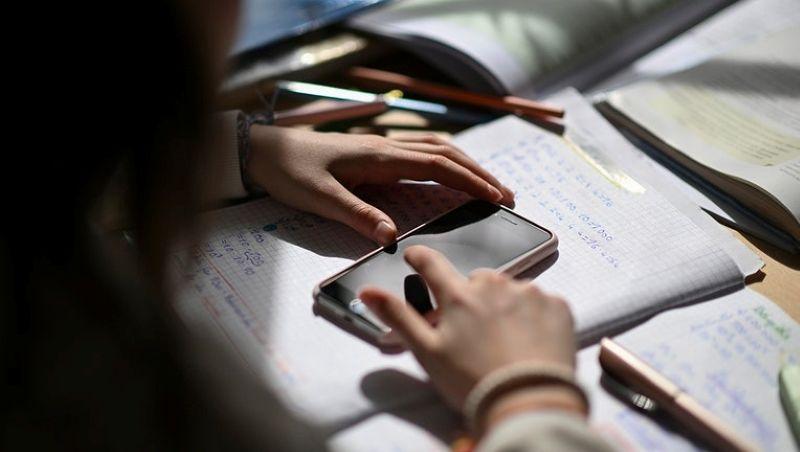
A state commission in New Jersey has recommended a significant change in how schools manage technology use during the academic day. The Commission on the Effects of Social Media Usage on Adolescents has suggested that school districts across the state should adopt bell-to-bell cellphone bans, preventing students from using phones from the beginning of the school day until the final bell. The recommendation comes after growing concerns about the impact of smartphones and social media on the mental health, academic performance, and overall well-being of young people.
The commission’s report highlights that constant access to cellphones has created a culture of distraction, with many students struggling to stay focused on classroom instruction. The report argues that restricting access during school hours would encourage healthier habits, reduce dependency on social media, and create more opportunities for face-to-face interaction among students. Members of the commission noted that limiting cellphone use is not simply about academic performance but also about protecting mental health and promoting balanced development.
Jersey City schools have already implemented a cellphone ban during the school day, becoming one of the first districts in New Jersey to adopt such a measure. Administrators there report that students have gradually adjusted to the rules and that teachers are seeing improvements in classroom engagement. By pointing to Jersey City’s experience, the commission is signaling that other districts can expect similar benefits if they follow suit.
The recommendations go beyond a simple ban on phones in classrooms. The commission specifically called for bell-to-bell bans, which means students would not be permitted to use phones in hallways, cafeterias, or during free periods. The idea is to create a consistent environment where students can focus on their education and peer relationships without the constant pull of digital devices. Supporters of this approach argue that partial bans are less effective, as students tend to use breaks and downtime to reengage with their phones, undermining the intent of the policy.
Critics of such bans argue that phones play a role in student safety and communication with parents. However, the commission has stressed that most essential communication can still take place through school offices and that emergencies can be handled without granting unlimited access to cellphones. In fact, some educators believe that reducing phone use during the day can actually lower bullying and harassment incidents, many of which stem from social media interactions.
The commission also addressed the broader issue of social media use among adolescents, noting research that shows prolonged exposure is linked to anxiety, depression, and sleep disruption. By creating boundaries during school hours, the panel hopes to set an example that can encourage students to rethink their relationship with technology outside of school as well.
Implementation of such policies would require cooperation between local school boards, administrators, teachers, and parents. The commission has called for a statewide adoption of the ban, but ultimately individual districts would be responsible for putting the policies into practice. They recommend that school leaders clearly communicate the reasons behind the ban, enforce it consistently, and provide alternative activities to engage students during downtime.
For many parents, the discussion is also about balance. While they appreciate the need for structure, some worry about losing direct contact with their children during the day. The commission acknowledges these concerns but maintains that the benefits to academic focus and student well-being outweigh the drawbacks. They also noted that students in earlier generations successfully managed school life without the constant presence of mobile phones, suggesting that a cultural adjustment is possible.
If adopted across the state, New Jersey would join a growing list of states and countries experimenting with restrictions on cellphone use in schools. With adolescent mental health continuing to be a priority for policymakers, the proposal is expected to spark debate among educators, parents, and students themselves. Advocates believe that the long-term benefits of improved attention spans, reduced anxiety, and stronger peer connections make the case for widespread adoption.
The coming months may see more school districts piloting or adopting variations of the ban, while the state education department considers how best to support these initiatives. The conversation about cellphones in schools is not new, but the urgency of the commission’s recommendations reflects the changing realities of adolescence in the digital age. With social media platforms increasingly embedded in teen life, creating boundaries in school may be one of the few ways to counterbalance the influence of technology.