British Member of Parliament and Shadow Justice Secretary Robert Jenrick has ignited a storm of criticism after describing the multicultural Soho Road locality in Birmingham as “a slum” and “one of the worst integrated places” in the United Kingdom. His remarks, made earlier this year during a Conservative Association dinner, have triggered a strong backlash from residents, community leaders, and political figures who denounced the comments as divisive and racially insensitive.
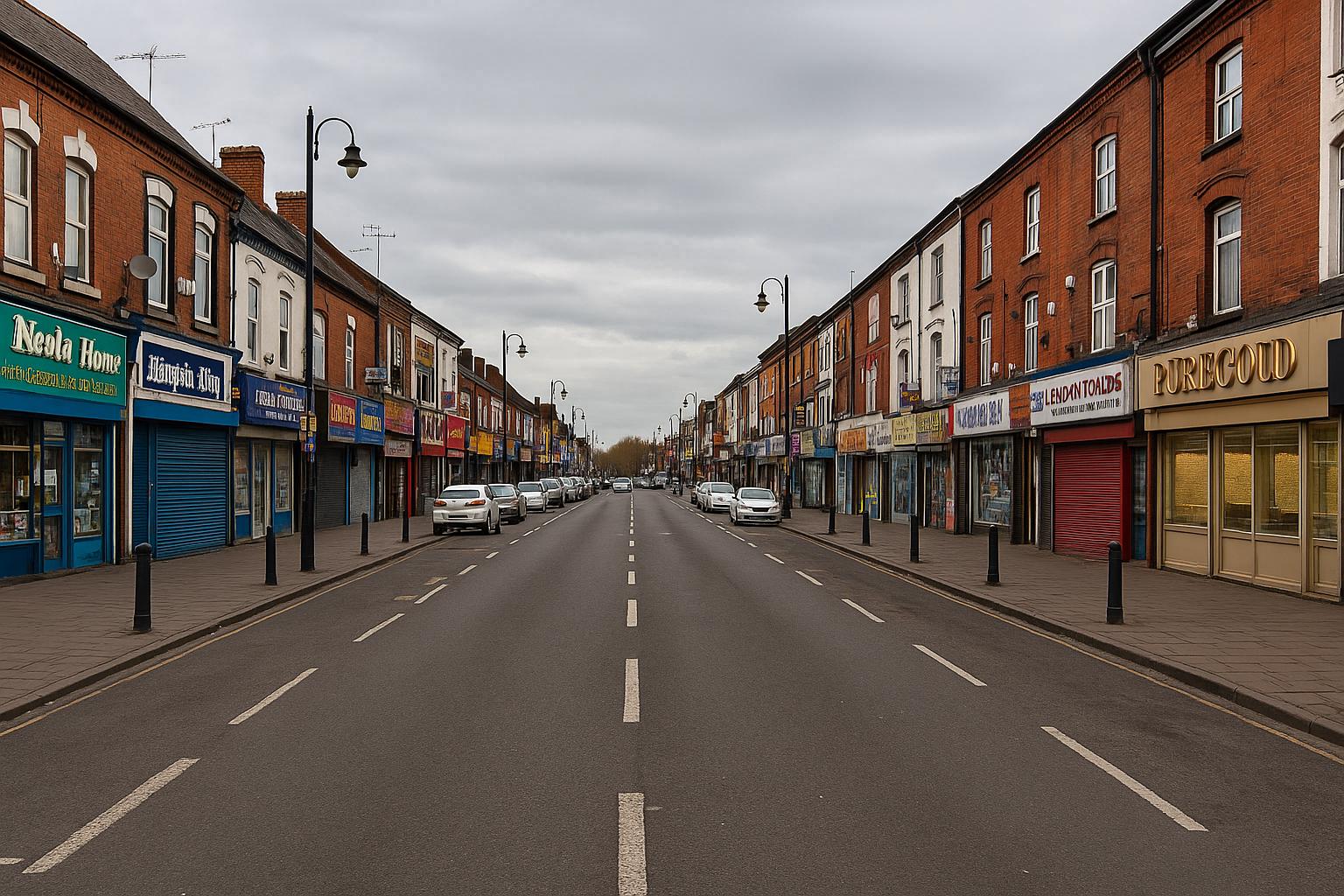
The controversy centers on Jenrick’s remarks about Handsworth, a neighborhood in Birmingham known for its diverse mix of Indian, Pakistani, Caribbean, and Eastern European residents. During the dinner, Jenrick reportedly recounted his visit to the area while filming a segment about litter during a local bin strike. “I went to Handsworth in Birmingham the other day to do a video on litter, and it was absolutely appalling. It’s as close as I’ve come to a slum in this country,” he was quoted as saying. He added that he found it “one of the worst integrated places” he had ever visited, noting that in the 90 minutes he spent filming, he “didn’t see another white face.”
Jenrick went on to say that such a situation was “not the kind of country I want to live in,” emphasizing that while his comments were not about race or religion, he wanted “people living alongside each other, not parallel lives.” His statements, however, have been widely condemned for implying that racial diversity equates to a lack of social cohesion.
Local leaders, residents, and activists reacted with outrage, describing Soho Road as a thriving hub of multicultural life. Birmingham City Council data indicates that only 8.7 percent of Handsworth’s population is white, while the majority of residents are of Indian or Pakistani descent. To many, this diversity represents one of Birmingham’s greatest strengths, not a weakness.
Ayoub Khan, the Member of Parliament for Perry Barr, called Jenrick’s remarks “repulsive” and “disingenuous,” accusing him of using “undertones of racism” for political advantage. Khan argued that such comments undermine years of progress made by diverse communities living in mutual respect and cooperation. Bishop Desmond Jaddoo also demanded an apology from Jenrick, describing his comments as “divisive” and “harmful to community relations.”
West Midlands Mayor Richard Parker joined the chorus of criticism, accusing Jenrick of “trying to divide communities for political gain.” He emphasized that Handsworth is “a community where people of different backgrounds live and work side by side,” and condemned the MP for “separating people by the color of their skin rather than recognizing their shared contributions.”
Residents of Handsworth also voiced their anger and disappointment. Rishi Lothiyi, a British Indian consultant who grew up in the area, described Soho Road as “a melting pot of cultures” and said Jenrick’s description could not be further from reality. “He must have been drunk to call the area poorly integrated,” Lothiyi remarked, adding that his own mixed-race marriage reflected the area’s spirit of inclusion.
Ranjit Singh, landlord of The Cross Guns, the last remaining pub on Soho Road, said his customers came from every background imaginable. “I see white people here all the time. We have Irish, English, Indian, and Caribbean regulars. Everybody gets along around here,” he said.
Longtime resident Liz Davies, a retired teacher, called Jenrick’s comments “ignorant and ridiculous.” Having lived in Handsworth for over 40 years among neighbors from Asian, Black, and Eastern European backgrounds, she said the MP’s statement showed a lack of understanding about how modern British communities function.
Labour Party chairwoman Anna Turley criticized Jenrick for reducing people “to the color of their skin” and judging “his own level of comfort by whether there are other white faces around.” Her comments echoed a broader sentiment across political lines that Jenrick’s words failed to reflect the inclusive reality of urban Britain.
The remarks have reignited national conversations about multiculturalism, integration, and identity in the United Kingdom. Analysts say the controversy highlights the growing tension between political rhetoric and the lived experience of communities that define modern Britain. Many believe that such statements risk deepening divisions and alienating citizens who identify equally with their cultural roots and British identity.
Despite calls for an apology, Jenrick has yet to issue one publicly. His office has not responded to requests for clarification about his comments or the context in which they were made. Meanwhile, civic leaders and residents of Birmingham continue to emphasize the city’s proud history of cultural coexistence.
As the debate unfolds, Soho Road remains what it has long been—a vibrant, bustling artery of commerce and community life where people from different ethnicities and religions work, shop, and socialize together. For its residents, the controversy has become a rallying point to reaffirm Birmingham’s identity as one of the United Kingdom’s most diverse and welcoming cities.