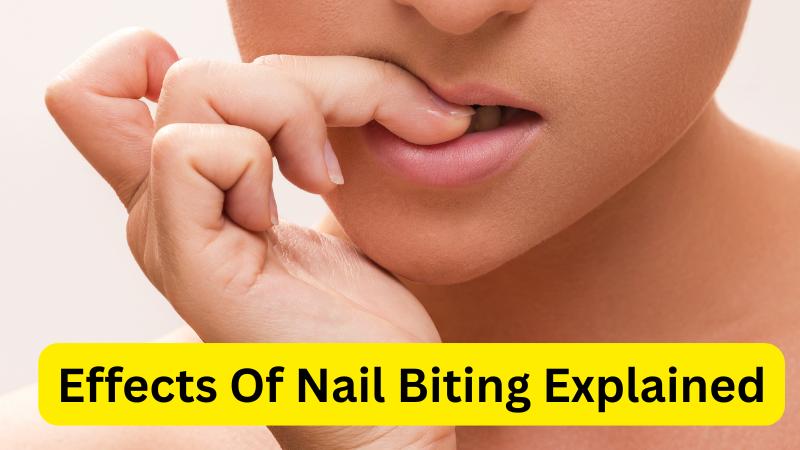
Nail biting, or onychophagia, is a habit many dismiss as harmless, especially when seen in children or teens. While occasional nail biting may seem mild, experts warn that chronic and compulsive nail biting can severely impact physical health, oral hygiene and emotional well-being. Over time, the behaviour becomes automatic, arising during stress, boredom or even without awareness. Studies show that if left unmanaged, the habit can damage nails, introduce infections, cause dental complications and affect psychological health.
Why nail biting becomes a habit
• Usually begins in childhood and may continue into adulthood
• Works as a quick sensory or emotional relief mechanism
• Often triggered by anxiety, stress or boredom
• Can become automatic before a person notices they’re doing it
When the brain learns that biting nails provides momentary relief, the urge strengthens and becomes recurring. This makes stopping difficult even when someone wants to quit. Many individuals only realise they are biting after damage has already occurred.
Major health risks linked to nail biting
Frequent nail biting doesn’t just affect appearance but also increases several physical and oral health risks. Damaging the skin around nails can expose delicate tissue and create openings for fungal or bacterial infections. Germs travel from fingers to the mouth easily, raising chances of illness. The teeth, gums and jaw also face long-term impact.
• Sore fingers, bleeding cuticles and damaged nail plates
• Higher risk of fungal infection and skin inflammation
• Bacteria and viruses enter the body through the mouth
• Teeth may chip, wear down or shift alignment
• Jaw strain may develop, causing TMJ discomfort
• Swallowed nail fragments may irritate the stomach
Triggers and ways to control the habit
Psychiatrists explain that nail biting often begins as stress-coping behaviour and later becomes unconscious. Identifying what triggers the urge can help individuals manage the habit with healthier alternatives. Habit Reversal Training is widely used to break compulsive behaviours through awareness and replacement actions.
• Monitor the urge by noticing when hands move toward the mouth
• Use stimulus control: gloves, closed fists, or keeping hands busy
• Replace nail biting with stress relief tools like fidget toys
• Keep nails trimmed and moisturised to reduce sensory triggers
• Practice slow breathing when the urge rises
• Seek professional help if anxiety or stress is linked
Nail biting may appear small, but its effects build quietly over time, affecting fingers, teeth and emotional balance. With awareness, consistent effort and healthier coping practices, the habit can be reduced and eventually stopped, allowing nails and self-control to recover gradually.