An Austin resident, Mike Gomez, credits his smartwatch for saving his life after an unexpected heart rate alert prompted him to seek medical attention. His experience highlights the increasing role of wearable technology in detecting serious health conditions and underscores the importance of heart health awareness.
Gomez initially used his smartwatch for fitness tracking, monitoring his exercise routines and calorie intake. However, on January 24, 2025, he received an alert about an unusually high heart rate, followed by multiple warnings about an irregular rhythm. “The fifth notification stated, ‘Atrial fibrillation detected. Contact your healthcare provider immediately.’ I thought it was unusual since I felt completely fine,” Gomez shared. Despite not experiencing any symptoms, he took the warning seriously and went to the hospital. Medical professionals confirmed that he had atrial fibrillation (Afib), a condition that increases the risk of blood clots, stroke, and other heart-related complications. Doctors emphasized that ignoring the alert could have resulted in a life-threatening stroke.
His daughter, Jazmin, was profoundly affected by the experience, realizing how crucial it is to prioritize health and cherish time with loved ones. Inspired by his story, Gomez now encourages others to be proactive about heart health. “Take every step necessary to stay healthy. Whether it’s investing in a smartwatch or simply going for a walk, prioritize your well-being because tomorrow is never guaranteed,” he advised.
The Importance of Heart Health and Prevention
Heart disease remains the leading cause of death in the U.S., often going undetected until serious complications arise. Experts stress the importance of awareness and lifestyle modifications to lower risks. Many individuals remain unaware of major contributors to heart disease, including smoking, excessive alcohol consumption, poor sleep, air pollution, and diabetes. According to the American Heart Association (AHA), cardiovascular disease claims a life every 34 seconds, accounting for more than 2,500 deaths per day. In 2022 alone, heart-related conditions were responsible for 941,652 deaths in the U.S., surpassing fatalities from cancer and respiratory diseases combined. These alarming statistics highlight the need for widespread education and preventive measures.
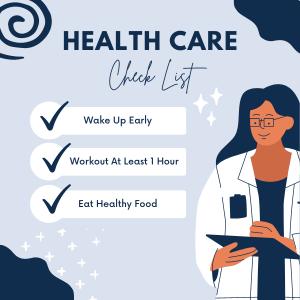
The AHA emphasizes eight critical factors for heart health: avoiding smoking, engaging in regular physical activity, eating a balanced diet, maintaining a healthy weight, getting sufficient sleep, and managing cholesterol, blood pressure, and blood sugar levels. Dr. Vivek Goswami, a cardiologist at the Heart Hospital of Austin, likens exercise to prescribed medication, warning that skipping workouts can be as harmful as missing essential medicine. “Exercise should be viewed as a necessity, not an option. A day without physical activity is equivalent to skipping a crucial dose of medication,” he explained. “Additionally, our diet choices play a vital role—unhealthy eating habits are a major contributor to heart disease.” Goswami encourages small but consistent efforts toward better heart health, such as daily walking, minimizing processed foods, and monitoring key health indicators.
Wearable technology, including smartwatches and fitness trackers, has emerged as a valuable tool in early detection and prevention. Devices now offer features like heart rate monitoring, blood oxygen tracking, and ECG detection, providing users with real-time insights into their health. Although smartwatches cannot replace professional medical evaluations, they serve as an early warning system. Health experts recommend using them alongside routine medical check-ups for a comprehensive approach to heart care. As heart disease continues to be a major public health concern, stories like Gomez’s serve as a powerful reminder of the importance of staying vigilant. Whether through technology, lifestyle adjustments, or regular screenings, prioritizing heart health can be life-saving.


 Joyful
0%
Joyful
0%
 Cool
0%
Cool
0%
 Thrilled
0%
Thrilled
0%
 Upset
0%
Upset
0%
 Unhappy
0%
Unhappy
0%