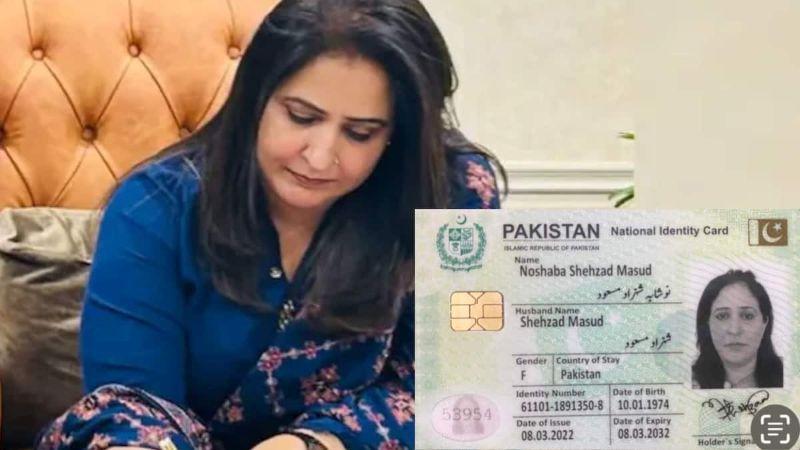
In a startling cross-border espionage case, Indian intelligence agencies have uncovered how a Lahore-based businesswoman, Noshaba Shehzad, also known by her ISI codename ‘Madam N’, used her travel agency as a front to lure Indian social media influencers into spying for Pakistan. Shehzad, who owns Jaiyana Travel and Tourism in Lahore, facilitated travel and visa arrangements for Indian nationals under the guise of religious tourism and cultural exchange.
Sources claim she was working closely with Pakistan’s Inter-Services Intelligence (ISI) to create a covert sleeper cell network of around 500 individuals across India. Among those targeted were social media influencers like Jyoti Malhotra, recently arrested on charges of espionage. Shehzad is accused of targeting Hindu and Sikh individuals, using religious sentiments and visa privileges to draw them into her network.
Investigations have revealed that over the past six months, ‘Madam N’ facilitated trips for nearly 3,000 Indian citizens and 1,500 NRIs to Pakistan, bypassing formal tourist visa procedures, which are generally restricted. Her deep ties within the Pakistani High Commission in New Delhi meant that she could secure visas with a simple call. She was in direct contact with embassy officials, including First Secretary (visa) Suhail Qamar, Counsellor (trade) Umar Sheryar, and Danish alias Ehsan-ur-Rehman, an ISI operative posing as a visa officer. Danish was expelled from India in May after the network came under the scanner.
The façade was elaborate Shehzad’s company had exclusive arrangements for Hindu and Sikh pilgrimage tours, run in collaboration with Pakistan's Evacuee Trust Property Board. While these tours appeared legitimate, the underlying motive was the cultivation of assets sympathetic or vulnerable to ISI manipulation. Indian intelligence has indicated that her operations not only supported surveillance but also actively promoted anti-India narratives using Indian influencers’ reach.
Sources say she recently expanded operations by hiring local agents in Indian cities, including Delhi, to push her travel services online, indirectly aiding ISI's propaganda and influence strategy. The funds collected from pilgrims were allegedly diverted to support these covert activities, making the operation financially self-sustaining.
The extent of the espionage ring, the involvement of embassy officials, and the manipulation of India's digital influencer ecosystem point to a complex and ongoing intelligence threat. Authorities are continuing investigations to identify more influencers and individuals recruited under the guise of religious tourism.