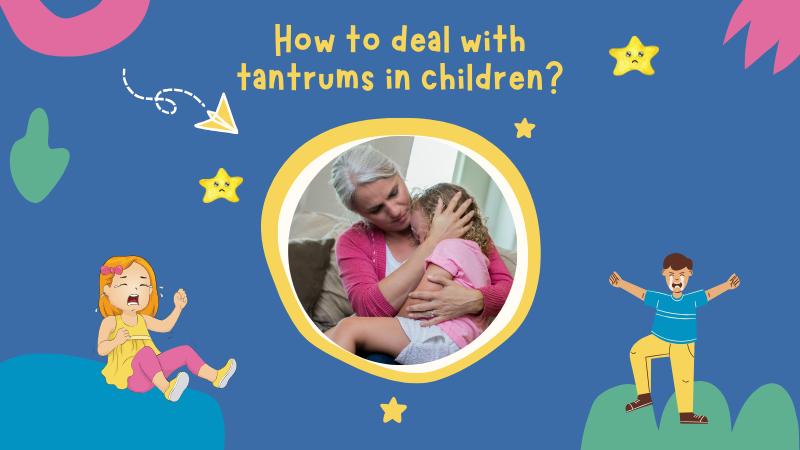
Every parent knows the challenges of toddler tantrums. One moment your child is happily playing, and the next, they are on the floor crying or screaming. Tantrums are a normal part of early childhood as toddlers learn to manage their emotions and express themselves. While it can be overwhelming, staying calm and understanding what your child needs makes a big difference.
The first step in handling tantrums is recognizing the triggers. Hunger, tiredness, overstimulation, or frustration are common reasons toddlers lose control. Anticipating these situations can help you prevent meltdowns before they start. Keeping snacks handy, maintaining a consistent nap schedule, and offering simple choices often reduce stress for both parent and child.
When a tantrum begins, it is important to stay calm. Reacting with anger or shouting usually escalates the situation. Instead, use a calm voice and get down to your child’s level. This shows them that you are in control and available to help them feel safe. Sometimes, all a toddler needs is comfort and reassurance, while at other times giving them space to calm down works better.
Distraction is another effective tool. Redirecting their attention to a toy, a song, or a different activity helps shift focus away from frustration. Offering choices also empowers toddlers, such as letting them pick between two snacks or deciding which toy to play with. This gives them a sense of control while reducing power struggles.
It’s also helpful to teach emotional words. Simple phrases like “I’m mad,” “I’m sad,” or “I need help” give toddlers a way to express feelings instead of crying or screaming. Over time, they will learn to manage emotions more effectively. Praise and encourage them when they communicate calmly, reinforcing positive behavior.
After the tantrum has passed, avoid lecturing or punishing. Instead, acknowledge their feelings and gently explain what could be done differently next time. Consistency, patience, and empathy are key to guiding toddlers through these challenging moments.
Tantrums are part of your toddler’s growth, not a sign of failure as a parent. By staying calm, offering support, and teaching emotional skills, you help your child develop resilience and self-control. With patience and practice, tantrums become less frequent and easier to handle.