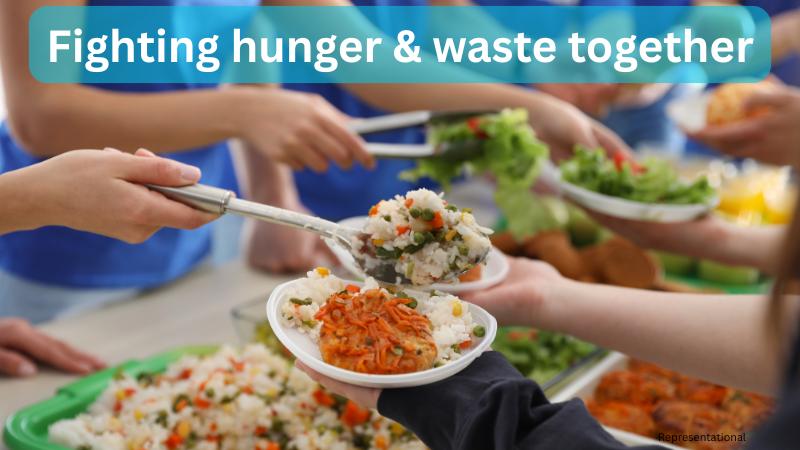
Santa Clara County is taking an innovative step to reduce food waste and at the same time support residents struggling with food insecurity. The county has rolled out a food recovery program that directly places commercial refrigerators stocked with fresh produce and ready-to-eat meals inside affordable housing developments. Residents can now access nutritious food right where they live without needing to travel long distances or rely on irregular food distribution events.
The initiative began last year with the installation of refrigerators at selected housing sites in San Jose, Mountain View, and Palo Alto. Locations include Curtner Studios, Iamesi Village, and several other communities where residents face daily challenges in securing consistent meals. Deliveries are made twice each week, ensuring that food remains fresh and accessible. Nonprofit partners prepare and distribute the meals, making healthy food a simple and reliable option for hundreds of families and individuals. The program is also notable for operating at no ongoing cost to the county, creating a sustainable model that can be replicated across more sites.
The project aligns with California’s Senate Bill 1383, passed in 2022, which requires jurisdictions to recover at least 20 percent of edible food that would otherwise end up in landfills by 2025. This legislation has changed the way grocery stores and food businesses operate, as they are now mandated to donate surplus food rather than discard it. By diverting edible food from the waste stream, the county is not only addressing hunger but also contributing to climate change mitigation. Organic waste in landfills generates methane, a highly potent greenhouse gas. Keeping food out of the trash provides a triple societal benefit: improved food security, reduced waste, and lower climate emissions.
The program is overseen by the Food Recovery Initiative managed by Joint Venture Silicon Valley. This organization works closely with local cities to ensure food recovery systems are in place and that the donated items reach people who need them the most. Partner organizations handle food preparation, delivery, and stocking of the refrigerators, making sure residents can depend on regular access to meals and groceries. The effort is designed to complement other local food distribution efforts by adding frequency and convenience, particularly for people living in affordable housing who may lack transportation or resources to access larger food banks regularly.
Food insecurity remains a pressing issue in the county. More than 130,000 individuals are currently enrolled in food assistance programs, marking the highest level of participation in the past decade. Local food banks continue to face high demand, serving hundreds of thousands of people every month. With so many families in need, food banks are often stretched beyond capacity. Organizations like Martha’s Kitchen play an important role in filling the gap by preparing meals for shelters, housing developments, and other community sites. By joining forces with the county’s food recovery plan, these groups are able to extend their reach and impact significantly.
Before SB 1383, many grocery stores hesitated to donate items approaching their expiration dates due to legal concerns. The updated rules have created a safer and more structured environment for donations, ensuring that edible food is captured and redirected. This has opened the door for stronger partnerships between food retailers, nonprofits, and local governments. The program also demonstrates how policy, community organizations, and local leadership can come together to address interconnected challenges of waste, hunger, and climate action.
Residents who live in affordable housing developments participating in the pilot program now enjoy the security of having fresh fruits, vegetables, and ready meals right at their fingertips. The initiative does more than provide immediate relief from hunger; it also fosters healthier lifestyles by making nutritious options available on a consistent basis. Leaders involved in the project emphasize that when healthy food is accessible, staying healthy becomes easier and more realistic for families and individuals with limited resources.
Looking ahead, Santa Clara County is working to expand the program to additional affordable housing communities. Because the model does not require ongoing county funding, it is seen as a sustainable and scalable solution. The combination of strong legislation, nonprofit dedication, and county leadership has set the stage for long-term change in how food insecurity and waste are addressed in the region. With continued collaboration, the program has the potential to become a model for other counties across California and the United States seeking to meet state recovery targets while supporting vulnerable populations.
Santa Clara County’s food recovery initiative shows how innovative approaches can provide multiple benefits at once. By making fresh food available where people live, the program is changing lives, strengthening communities, and helping the county move closer to its environmental and social goals.