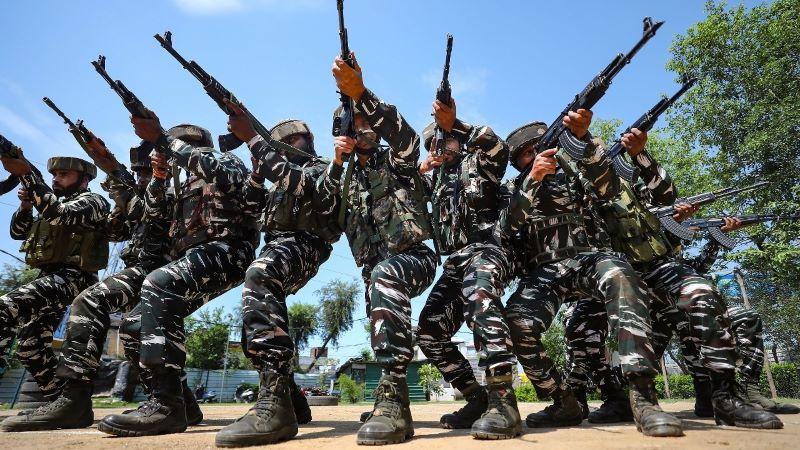
In a historic move, the Government of India has scheduled a nationwide mock drill for May 7, 2025 the first such exercise since the 1971 Indo-Pak war. In light of rising tensions with Pakistan following the recent terrorist attack in Pahalgam, Jammu and Kashmir, the Ministry of Home Affairs (MHA) has issued urgent directives for states to prepare their civil defence systems. The upcoming drill aims to assess and strengthen the country's readiness in the event of a hostile attack.
Where Will the Mock Drills Happen?
The drills will take place at more than 250 locations across 33 states and union territories. These include major areas such as Delhi, Andhra Pradesh, Assam, Uttarakhand, West Bengal, Chhattisgarh, Chandigarh, and Goa, among others. It’s the first time in decades that such a wide-scale civil preparedness initiative is being implemented, signaling a shift toward proactive internal security planning.
What Is Planned for May 7?
The drills are structured to simulate a realistic emergency response to an air raid or war-like situation. Here’s what participants and observers can expect:
-
Air Raid Warning Sirens: These will be activated in major urban and semi-urban centers as part of the alert mechanism.
-
Blackout Drills: Cities may experience crash blackouts where power is deliberately cut in targeted zones to mimic conditions during an aerial assault.
-
Camouflage and Protection: Government facilities and critical infrastructure will simulate camouflaging techniques to avoid detection.
-
Civilian Training: Civilians, school students, and volunteers will undergo rapid training in civil defence procedures such as seeking shelter, evacuating buildings, and using bunkers or trenches.
-
Activation of Control Rooms: Emergency control and shadow control rooms will be manned, simulating wartime communication and coordination setups.
-
Hotline Coordination with IAF: Direct communication links with the Indian Air Force will be tested.
-
Civil Defence Services Mobilization: Services such as fire brigades, rescue squads, and depot managers will conduct real-time rehearsals.
-
Bunker Cleaning and Evacuation Plans: Local authorities will update and practice evacuation strategies, including maintaining bunkers and designated safe zones.
Why This Drill Is Significant
This is not just a routine safety drill — it’s a calculated move to bolster national readiness amid a sharply deteriorating geopolitical situation. The April 22 terrorist attack in Pahalgam claimed multiple lives and prompted Prime Minister Narendra Modi to vow a response that would reach “the ends of the earth.” As tensions rise, the government is ensuring the civilian population is not just informed but equipped to act in the worst-case scenario.
By simulating various emergency responses, the government is hoping to:
-
Test the real-time functionality of India’s early warning and disaster mitigation systems.
-
Train and empower civilians to respond without panic.
-
Improve coordination between state civil defence agencies and the armed forces.
-
Assess the readiness of communication infrastructure in case of blackout or bombardment.
High-Level Strategic Context
PM Modi has convened several high-level defence and national security meetings in the wake of the Pahalgam attack. Sources suggest that India is exploring counter-offensive options while simultaneously preparing for any retaliatory move from across the border. Pakistan has already issued a stark warning, promising a “swift and notched-up response” if provoked further.
In such a high-tension atmosphere, the May 7 mock drills serve both as a preparatory measure and a signal both domestically and internationally that India is prepared for all scenarios. The use of civil defence, public participation, and coordinated drills across the country is also a reminder that national security goes beyond soldiers at the border; it includes alert and informed citizens ready to respond in emergencies.
India’s first mock drill since the 1971 war represents a new chapter in homeland preparedness. It’s a rare instance where both government machinery and civilian populations are mobilized simultaneously. Whether this becomes a recurring national program or a one-off event tied to the current crisis, it marks a critical moment in the way India views and prepares for wartime threats.