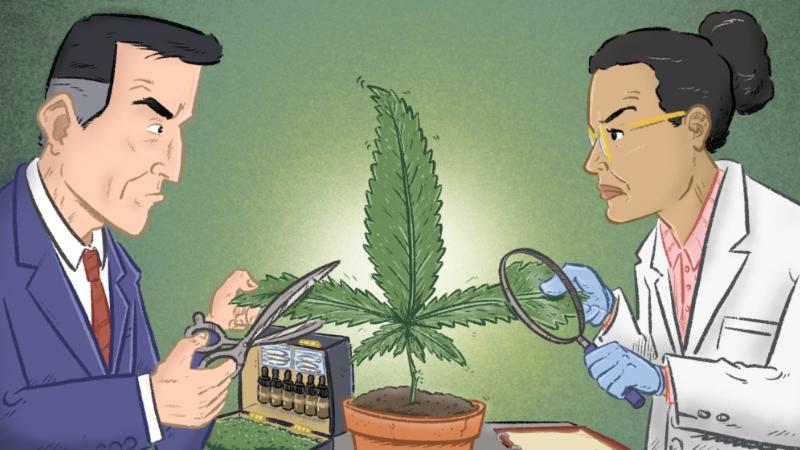
As more Australians face chronic pain, a growing number are turning to medicinal cannabis. Since regulatory changes in 2016, over 700,000 product approvals have been issued with nearly half aimed at treating non-cancer-related chronic pain. Despite the increasing popularity, both patients and clinicians are asking: how effective is medicinal cannabis for chronic pain, and what are the risks?
Medicinal cannabis includes products derived from the cannabis plant, such as THC (tetrahydrocannabinol) and CBD (cannabidiol), or synthetic versions of these compounds. These are legally prescribed in various forms oils, capsules, sprays, gummies, and dried flowers for vaporisation. Chronic pain affects 1 in 5 Australians aged 45 and above, often disrupting daily life and functioning. For many, conventional treatments offer limited relief, making cannabis an attractive alternative. But evidence on its effectiveness is mixed.
A 2021 review involving nearly 5,200 people found that medicinal cannabis may provide modest improvements in pain and sleep compared to a placebo. However, the impact on overall quality of life was limited. For significant pain reduction in one patient, 24 people would need to be treated, indicating the effects are beneficial for only a small subset.
Many pain specialists remain cautious. Australia's Faculty of Pain Medicine advises limiting medicinal cannabis use to clinical trials until stronger evidence is available. The Therapeutic Goods Administration (TGA) echoes this, recommending cannabis only after other treatments have failed and even then, on a patient-by-patient basis.
Patient Experiences vs. Clinical Evidence
While research shows only small average benefits, some patients report meaningful improvements. These differences may stem from variations in individual biology, expectations, and prior treatments. For some, especially those who've exhausted other options, cannabis may enhance sleep, reduce discomfort, or improve general well-being.
However, reliance on anecdotal success comes with caveats. Cannabis's psychoactive effects, drug interactions, and risk of cannabis use disorder make it far from risk-free.
Risks and Side Effects
The side effects of medicinal cannabis are usually mild to moderate and include:
-
Drowsiness
-
Dizziness
-
Dry mouth
-
Impaired concentration
-
Nausea
-
Cognitive slowing
Products with higher THC content are more likely to cause such effects. Alarmingly, high-THC products now represent over half of approvals in 2025. Cannabis can also interact with other medications, particularly opioids, anti-depressants, and blood thinners, increasing the potential for adverse effects.
A 2024 study revealed that 1 in 4 medical cannabis users developed a cannabis use disorder, with symptoms like withdrawal, cravings, and escalating doses. Such outcomes are more likely when care is fragmented, such as when prescriptions are issued through telehealth services disconnected from a patient’s broader medical team.
Alternatives and Access
Other treatments like exercise therapy, cognitive behavioural therapy (CBT), and pain self-management show more consistent benefits and fewer side effects. Yet, accessibility and affordability remain barriers, especially for patients in rural areas or with limited health coverage.
The rise in medicinal cannabis use underscores the urgent need for better pain management options. While it may help some individuals, the average benefit is modest, and risks should not be ignored. Patients considering cannabis should speak with their regular doctor or a pain specialist, especially one familiar with their medical history. Shared decision-making, ongoing monitoring, and a cautious approach remain the best strategies for those exploring medicinal cannabis for chronic pain.