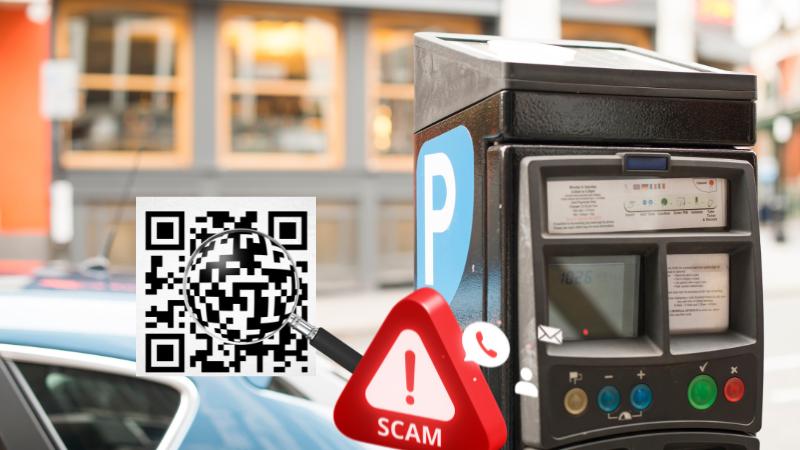
A Lake County man has become the latest victim in a wave of text scams impersonating California’s FasTrak toll service. These fraudulent messages are being sent to mobile phones across the Bay Area, falsely claiming that recipients owe unpaid tolls and directing them to fake payment sites. For 72-year-old Tracy Jeffords, the scam proved devastating. He lost more than $3,300 after entering his debit card details into a phony site linked through the fraudulent message.
Jeffords had recently returned home from San Francisco following a heart procedure when he received a text message that appeared to be from FasTrak. The message claimed that he owed money for unpaid bridge tolls. Thinking it was a legitimate request and wanting to quickly resolve the issue, he entered his debit card information. Within a day, he received an actual letter from the real FasTrak indicating a toll balance, which made him realize the text had been a scam.
By the time he recognized the deception, the scammers had already used his card details to make a purchase exceeding $3,300 through a major online marketplace. He reached out to his bank and the seller to dispute the charge but was unable to get a refund or recover the funds. The money, according to Jeffords, represented a significant portion of his savings. As a retiree who no longer works, he described the financial hit as emotionally overwhelming.
Experts in digital payment security warn that debit card scams like this are particularly difficult to recover from. Unlike credit card transactions, which offer built-in protections and dispute resolution mechanisms, debit card payments often transfer funds instantly. Once the money is withdrawn, it can be almost impossible to retrieve. Scammers exploit this by crafting messages that appear urgent and official, pushing victims to act quickly without verifying the source.
This scam is part of a broader trend where criminals target drivers by impersonating well-known tolling systems. The fraudulent texts often contain convincing details like vehicle license numbers, legitimate-looking branding, and links that resemble official toll websites. These links either take the victim to a cloned payment portal or automatically download malicious content that collects sensitive information.
In Jeffords’ case, the loss has taken both a financial and emotional toll. Though he maintains full mental clarity, he admitted that age has made him more trusting and less skeptical than he once was. He shared his experience publicly in hopes of warning others—particularly seniors—about the dangers of online and text-based scams. “I just didn’t think twice,” he said. “It looked official, and I didn’t want to fall behind on a toll payment. Now I know better, but it’s cost me a lot.”
Authorities urge anyone receiving text messages about unpaid tolls to avoid clicking on links or entering personal or banking details. Instead, verify any outstanding balances by visiting the official toll agency’s website or calling their support number directly. If a fraudulent message is received, it should be reported immediately to the appropriate consumer protection or fraud investigation agency.
As these phishing tactics continue to evolve, public awareness remains a vital line of defense. Scammers count on panic and urgency to push victims into immediate action, bypassing skepticism. Experts recommend reviewing URLs closely, watching for spelling errors or odd formatting, and being especially cautious when asked to provide payment information through an unsolicited message.
For Jeffords, while the financial loss has yet to be resolved, sharing his experience has become his way of helping others avoid the same mistake. “I just hope it stops someone else from losing what I did,” he said. “It might not seem like much to some, but it’s everything to me.”
Authorities are investigating similar incidents reported throughout Northern California. In the meantime, residents are urged to be vigilant and cautious when responding to any toll-related communications, particularly those received by text. Official agencies will never ask for sensitive payment details through unsecured messages.
Jeffords had recently returned home from San Francisco following a heart procedure when he received a text message that appeared to be from FasTrak. The message claimed that he owed money for unpaid bridge tolls. Thinking it was a legitimate request and wanting to quickly resolve the issue, he entered his debit card information. Within a day, he received an actual letter from the real FasTrak indicating a toll balance, which made him realize the text had been a scam.
By the time he recognized the deception, the scammers had already used his card details to make a purchase exceeding $3,300 through a major online marketplace. He reached out to his bank and the seller to dispute the charge but was unable to get a refund or recover the funds. The money, according to Jeffords, represented a significant portion of his savings. As a retiree who no longer works, he described the financial hit as emotionally overwhelming.
Experts in digital payment security warn that debit card scams like this are particularly difficult to recover from. Unlike credit card transactions, which offer built-in protections and dispute resolution mechanisms, debit card payments often transfer funds instantly. Once the money is withdrawn, it can be almost impossible to retrieve. Scammers exploit this by crafting messages that appear urgent and official, pushing victims to act quickly without verifying the source.
This scam is part of a broader trend where criminals target drivers by impersonating well-known tolling systems. The fraudulent texts often contain convincing details like vehicle license numbers, legitimate-looking branding, and links that resemble official toll websites. These links either take the victim to a cloned payment portal or automatically download malicious content that collects sensitive information.
In Jeffords’ case, the loss has taken both a financial and emotional toll. Though he maintains full mental clarity, he admitted that age has made him more trusting and less skeptical than he once was. He shared his experience publicly in hopes of warning others—particularly seniors—about the dangers of online and text-based scams. “I just didn’t think twice,” he said. “It looked official, and I didn’t want to fall behind on a toll payment. Now I know better, but it’s cost me a lot.”
Authorities urge anyone receiving text messages about unpaid tolls to avoid clicking on links or entering personal or banking details. Instead, verify any outstanding balances by visiting the official toll agency’s website or calling their support number directly. If a fraudulent message is received, it should be reported immediately to the appropriate consumer protection or fraud investigation agency.
As these phishing tactics continue to evolve, public awareness remains a vital line of defense. Scammers count on panic and urgency to push victims into immediate action, bypassing skepticism. Experts recommend reviewing URLs closely, watching for spelling errors or odd formatting, and being especially cautious when asked to provide payment information through an unsolicited message.
For Jeffords, while the financial loss has yet to be resolved, sharing his experience has become his way of helping others avoid the same mistake. “I just hope it stops someone else from losing what I did,” he said. “It might not seem like much to some, but it’s everything to me.”
Authorities are investigating similar incidents reported throughout Northern California. In the meantime, residents are urged to be vigilant and cautious when responding to any toll-related communications, particularly those received by text. Official agencies will never ask for sensitive payment details through unsecured messages.