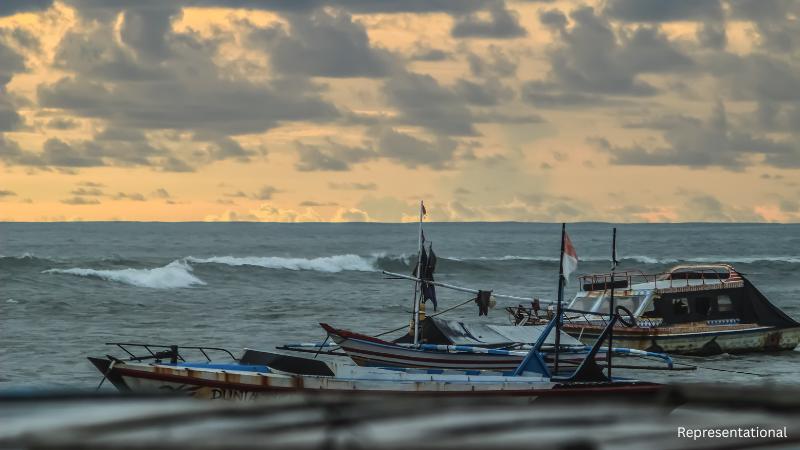
Boat owners at the Santa Cruz harbor rushed to secure or remove their vessels from the water on Tuesday night as a tsunami advisory was issued for the California coast following an 8.8 magnitude earthquake off the coast of Russia. The advisory prompted urgent actions among those who remembered previous disasters and did not want to take any chances with their boats and property.
Many harbor residents recalled the damage caused by high surf last December, as well as the devastating destruction from the tsunami triggered by the 2011 earthquake in Japan. For boat owner Dan Scott, the decision to act quickly was clear. He explained that he invested significant money into his vessel and did not want to risk it being damaged, saying he was simply taking necessary precautions to avoid a potential disaster.
The advisory led to increased safety measures around the harbor. The deputy harbormaster advised people who typically sleep on their boats to arrange alternative accommodations for the night, as staying aboard was deemed unsafe given the unpredictable nature of possible surges. Authorities ensured that everyone was informed of the risks while monitoring conditions through the night.
During the overnight hours, a harbor maintenance boat was reported to have sunk. However, officials clarified that the incident was not directly caused by tsunami surges but rather due to the vessel being tied up in an unfavorable location. This was the only damage reported during the initial hours of the advisory, providing some relief to the community.
As daylight approached on Wednesday morning, further assessments were planned to determine any additional impacts on the harbor infrastructure or vessels. While no major incidents were reported at that time, harbor authorities remained on alert, ensuring that boat owners stayed informed of changing conditions.
The tsunami advisory followed an intense seismic event in the Pacific, where an 8.8 magnitude earthquake struck off the Russian coast. The tremor prompted tsunami alerts across several regions, including parts of the United States' West Coast. While the advisory for California did not escalate into a full warning, it required residents and boaters to take precautionary steps to prevent damage or loss.
Communities in coastal regions, particularly those with a history of being affected by strong waves or surges, responded promptly to the alerts. The Santa Cruz harbor, known for its vulnerability to rough sea conditions, saw a flurry of activity as boat owners hauled vessels to safety or secured them in reinforced positions. The memory of past events such as the 2011 tsunami served as a stark reminder of the potential destruction such natural phenomena can bring.
The incident underscores the importance of early warnings and proactive measures in safeguarding property and lives in coastal regions. Authorities praised the cooperation of boat owners and residents who acted quickly to follow safety recommendations. Emergency services continued to monitor conditions, ready to respond if the situation escalated.
While the immediate threat subsided by early Wednesday, the advisory served as a reminder of the ongoing risks coastal communities face due to natural events like earthquakes and tsunamis. Officials emphasized that readiness and quick response are critical to minimizing potential losses during such incidents. The Santa Cruz harbor returned to calmer conditions as the day progressed, but inspections and vigilance remained a priority to ensure continued safety.
The event highlighted the community's resilience and awareness, proving that lessons from past disasters continue to influence the way coastal residents respond to natural hazards. For now, Santa Cruz remains on alert, but the proactive measures taken ensured minimal impact, with boat owners successfully protecting their vessels from harm.