Afghan War Hero And U.S. Interpreter Fatally Stabbed In Texas By Fellow Immigrant Over Immigration Dispute
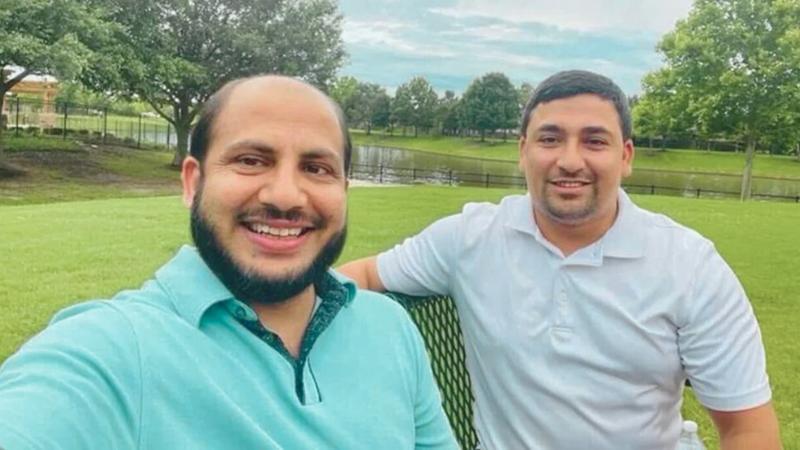
Abdul Niazi, a decorated Afghan war veteran and former U.S. military interpreter who survived a Taliban bomb blast, was brutally killed in Houston, Texas, on March 26, 2025. Authorities allege he was stabbed 20 times by 37-year-old Afghan national Masiullah Sahil, who had sought Niazi’s help with immigration documents. The suspect reportedly became frustrated over delays in the process and attacked Niazi in his office shortly before the evening meal during Ramadan.
Niazi’s death was confirmed in a harrowing phone call to his wife. She phoned her husband when he failed to return home, only to have a man answer, saying, “I’m not your husband. I killed your husband.” Shocked family members later learned from court documents that Sahil, a fellow immigrant Niazi had been assisting, had confronted him over paperwork to return to Afghanistan. Surveillance footage allegedly shows Sahil entering and leaving Niazi’s office multiple times before departing with blood on his clothes.
Born in Jalalabad, Afghanistan, Niazi worked as an English teacher before joining the U.S. Marines as an interpreter in 2011. In May 2012, during a mission in Helmand province, he lost both legs and suffered severe arm injuries in a second IED blast. Following Taliban death threats, he obtained a special immigrant visa and relocated to Houston, joining thousands of Afghan refugees resettled in Texas.
In Houston, Niazi became a pillar of the Afghan community, working for a nonprofit and later founding his own service business to help refugees navigate life in America. Known for his generosity, he often told struggling clients, “Pay me when you can.” He and close friend Mohammad Bayan pursued degrees in business administration and even planned to earn Ph.D.s to one day help strengthen Afghanistan’s national security.
The accused, Sahil, was initially jailed on a $750,000 bond for first-degree murder but was briefly ordered released after prosecutors failed to secure an indictment within the required three months under Texas law. This sparked outrage from Niazi’s friends and family, who feared for the safety of his wife and children. On the same day, however, prosecutors filed a witness tampering charge, keeping Sahil in custody on a $25,000 bond. He is scheduled for arraignment on both charges on August 12.
Friends, former Marines, and community leaders are mourning Niazi’s death, describing him as courageous, selfless, and “the backbone of the community.” His killing has left Houston’s Afghan population shaken and raised questions about justice delays and the safety of vulnerable refugee communities. For those who knew him, the tragedy is a cruel twist a man who risked his life on the battlefield and escaped Taliban threats only to be killed in the country he once helped defend.