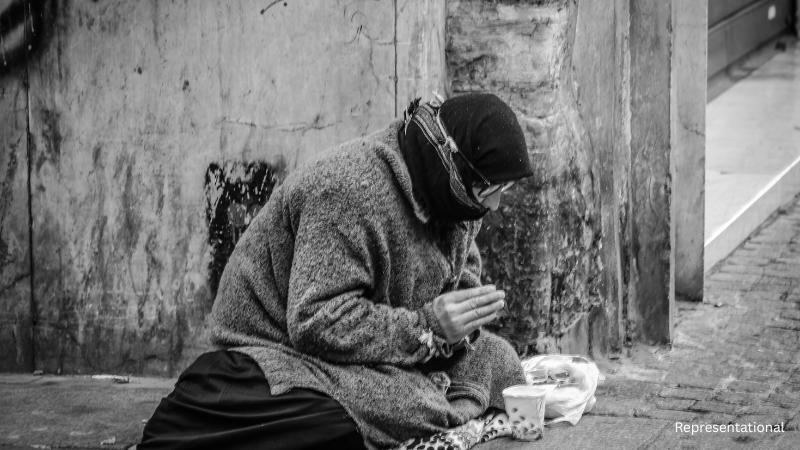
As California cities increasingly pass laws banning homeless encampments and intensify sweeps, a group of state lawmakers from the San Jose area is moving in the opposite direction. They are backing legislation aimed at protecting homeless individuals and the people who help them from criminal penalties.
Senate Bill 643, co-authored by State Senator Sasha Perez and Assemblymembers Ash Kalra, Alex Lee, and Matt Haney, would prohibit cities from enacting ordinances that stop organizations or individuals from offering aid to homeless residents. The bill has already cleared the Senate and is now under consideration in the Assembly, where supporters are preparing for what they expect will be significant resistance from some municipalities.
Kalra, whose district covers parts of San Jose, Morgan Hill, and Gilroy, argues that compassion toward those in need should be celebrated, not punished. He emphasized that the bill seeks to protect fundamental humanitarian acts and expressed concern that many cities have taken a more punitive approach to homelessness rather than addressing the root causes. He acknowledged, however, that the legislation will face opposition from local governments that favor stricter enforcement measures.
Lee, representing North San Jose, Milpitas, and Fremont, framed homelessness as a societal failure rather than an individual choice. He criticized local policies in Fremont and San Jose that ban encampments or restrict aid, describing them as political gestures without meaningful long-term solutions. According to Lee, such measures only worsen the housing crisis by pushing people further into instability rather than connecting them with resources.
The debate has intensified in the wake of last year’s Grants Pass Supreme Court ruling, which granted jurisdictions the authority to prohibit homeless encampments on public property even if there are not enough shelter beds available. In the months since, Fremont officials have attempted to bar groups from assisting homeless residents, while San Jose implemented a June policy targeting individuals who repeatedly decline shelter offers.
Despite these crackdowns, homelessness continues to rise in Santa Clara County. The most recent point-in-time count revealed more than 10,700 unhoused individuals countywide, with 7,472 of them living without shelter. San Jose alone saw an increase of 237 homeless residents over the past two years, bringing the total to 6,503. Of these, approximately 60 percent — or 3,959 people — remain unsheltered.
Supporters of SB 643 argue that withholding aid or penalizing those who provide it undermines efforts to address the crisis. They contend that the focus should be on long-term solutions such as affordable housing development, expanded mental health services, and employment programs rather than punitive measures that simply shift homeless populations from one location to another. Opponents, however, believe that restrictions are necessary to maintain public safety and cleanliness in parks, sidewalks, and other shared spaces.
The future of SB 643 will likely hinge on how lawmakers balance humanitarian concerns with local governments’ calls for stricter controls. If passed, the legislation would mark a significant shift in California’s approach to homelessness, offering new protections for both unhoused individuals and the people committed to assisting them.
Senate Bill 643, co-authored by State Senator Sasha Perez and Assemblymembers Ash Kalra, Alex Lee, and Matt Haney, would prohibit cities from enacting ordinances that stop organizations or individuals from offering aid to homeless residents. The bill has already cleared the Senate and is now under consideration in the Assembly, where supporters are preparing for what they expect will be significant resistance from some municipalities.
Kalra, whose district covers parts of San Jose, Morgan Hill, and Gilroy, argues that compassion toward those in need should be celebrated, not punished. He emphasized that the bill seeks to protect fundamental humanitarian acts and expressed concern that many cities have taken a more punitive approach to homelessness rather than addressing the root causes. He acknowledged, however, that the legislation will face opposition from local governments that favor stricter enforcement measures.
Lee, representing North San Jose, Milpitas, and Fremont, framed homelessness as a societal failure rather than an individual choice. He criticized local policies in Fremont and San Jose that ban encampments or restrict aid, describing them as political gestures without meaningful long-term solutions. According to Lee, such measures only worsen the housing crisis by pushing people further into instability rather than connecting them with resources.
The debate has intensified in the wake of last year’s Grants Pass Supreme Court ruling, which granted jurisdictions the authority to prohibit homeless encampments on public property even if there are not enough shelter beds available. In the months since, Fremont officials have attempted to bar groups from assisting homeless residents, while San Jose implemented a June policy targeting individuals who repeatedly decline shelter offers.
Despite these crackdowns, homelessness continues to rise in Santa Clara County. The most recent point-in-time count revealed more than 10,700 unhoused individuals countywide, with 7,472 of them living without shelter. San Jose alone saw an increase of 237 homeless residents over the past two years, bringing the total to 6,503. Of these, approximately 60 percent — or 3,959 people — remain unsheltered.
Supporters of SB 643 argue that withholding aid or penalizing those who provide it undermines efforts to address the crisis. They contend that the focus should be on long-term solutions such as affordable housing development, expanded mental health services, and employment programs rather than punitive measures that simply shift homeless populations from one location to another. Opponents, however, believe that restrictions are necessary to maintain public safety and cleanliness in parks, sidewalks, and other shared spaces.
The future of SB 643 will likely hinge on how lawmakers balance humanitarian concerns with local governments’ calls for stricter controls. If passed, the legislation would mark a significant shift in California’s approach to homelessness, offering new protections for both unhoused individuals and the people committed to assisting them.