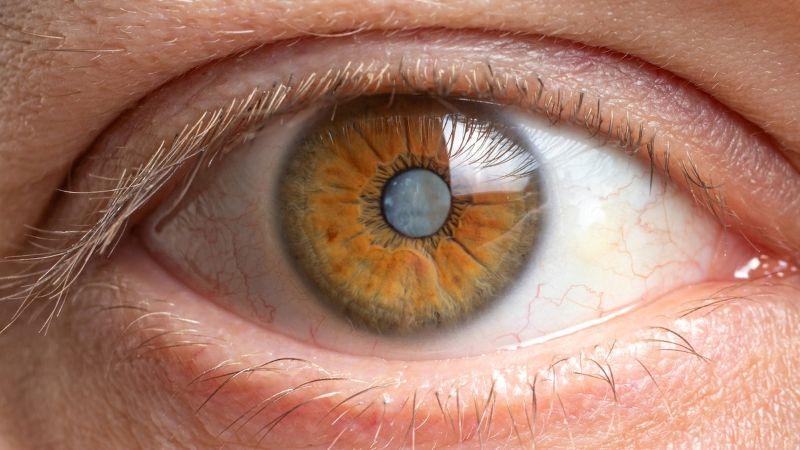
Weight-loss drugs, particularly GLP-1 medications like semaglutide and tirzepatide, are gaining traction among diabetes and obesity patients in India. While these drugs offer benefits like controlling blood sugar and aiding in weight loss, recent studies have uncovered potential eye health risks. A new study published in JAMA has linked these medications to rare but serious eye conditions, with a focus on optic nerve disorders such as non-arteritic anterior ischaemic optic neuropathy (NAION).
NAION, often referred to as an "eye stroke," occurs when blood flow to the optic nerve is abruptly reduced or blocked. The concerning aspect of this disorder is that it is often noticed only after vision loss has already occurred in one eye. Currently, no treatment is available for NAION, making early detection vital. While this condition was once thought to affect only about 1 in 10,000 patients on GLP-1 medications, the latest study reveals a higher risk. Among 1,59,000 type 2 diabetes patients on semaglutide or tirzepatide, 35 individuals developed NAION during a two-year follow-up, equating to about 1 in 2,500 patients. Additionally, 93 other patients were diagnosed with various optic nerve disorders.
This study also highlighted an increased risk of diabetic retinopathy among those using these drugs, though it is important to note that severe complications were less frequent, and the need for invasive treatments was lower compared to other diabetes medications.
Although the overall risk of eye complications is still considered low, the study’s findings indicate that GLP-1 drugs may present unforeseen risks to eye health, especially for diabetic patients. Researchers recommend that individuals using these weight-loss medications, even if they don't have pre-existing eye conditions, should undergo regular eye screenings. This preventative measure should be integrated into their standard care plan to detect potential issues early, as conditions like NAION cannot be reversed once vision is lost.
The mechanisms behind these eye conditions linked to GLP-1 drugs remain unclear. Researchers are urging for more long-term studies to understand how these medications affect the tiny blood vessels in the retina and optic nerve. While these drugs have revolutionized the treatment of diabetes and obesity, doctors now face the challenge of weighing their significant benefits against potential eye health risks. If you are taking GLP-1 medications, it is essential to discuss regular eye exams with your healthcare provider. Protecting your vision is as important as managing your blood sugar levels or achieving weight loss goals.