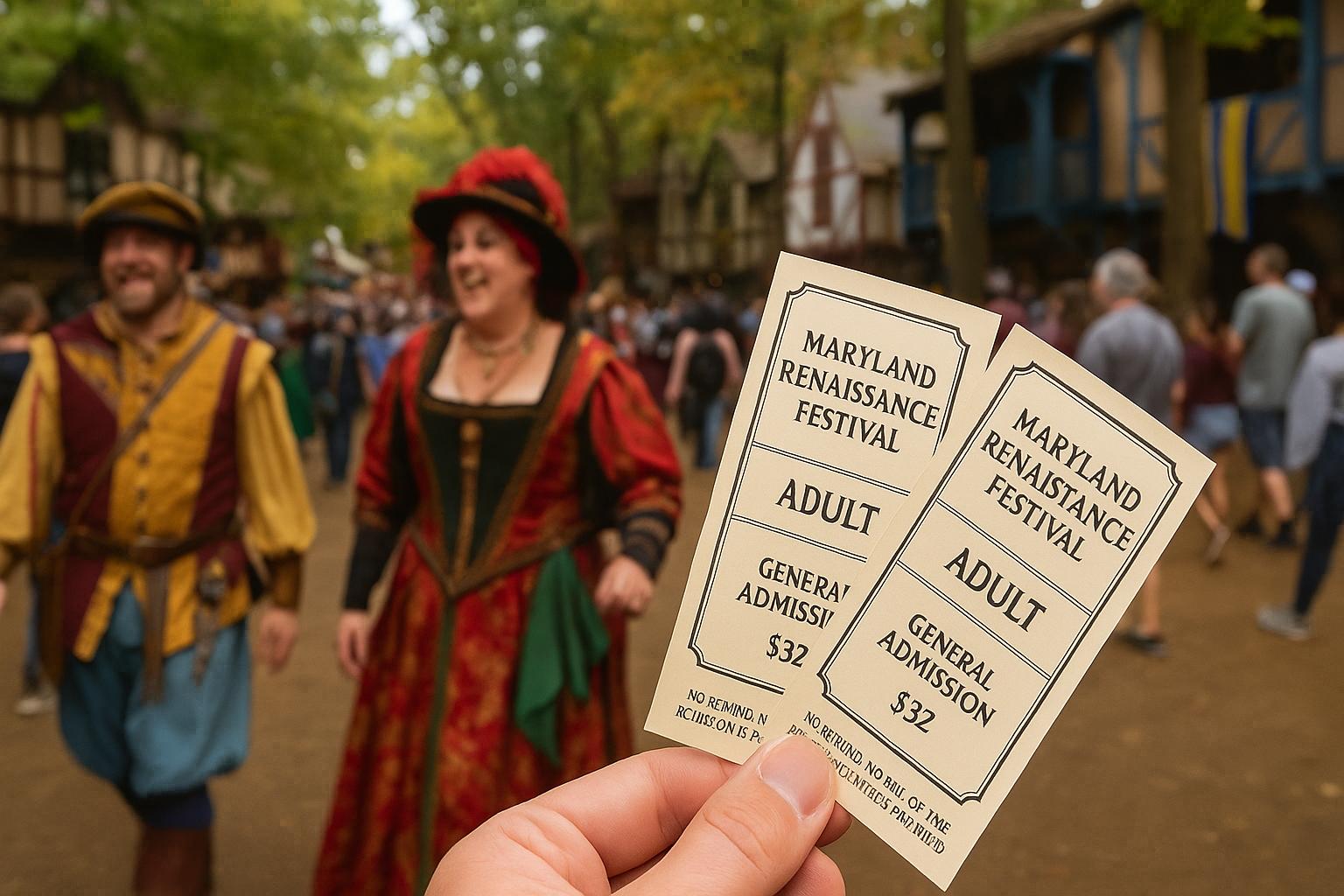
Maryland, USA — The Maryland Renaissance Festival, one of the state’s most popular cultural events, has found itself in a new kind of battle — not with knights or swords, but in courtrooms. The festival is taking legal action against ticket scalpers accused of reselling entry passes for exorbitant prices, far beyond their original face value.
Over the years, the festival has grown into a massive attraction, drawing visitors from across the region for its lively performances, themed entertainment, and immersive medieval experience. According to Festival President Jules Smith, attendance has soared since the pandemic, leading to record-breaking sales this season. Nearly 400,000 people attended this year’s event, which sold out on 18 of its 19 operating days.
Smith said the festival’s surge in popularity has unfortunately created an opportunity for scalpers seeking profit at the expense of fair-goers. “We sold out 18 of the 19 days we operated this year,” he said. “And that’s invited people that try and scalp tickets to make money off of the event.”
Tickets officially cost $32 for adults, a price point that Smith proudly maintains as one of the lowest among major festivals nationwide. However, scalpers have reportedly purchased large quantities of tickets and resold them for inflated prices on third-party websites. “I’ve seen them listed between $65 and $285,” Smith said. “I’ve heard some wild things about $400.”
To protect festival-goers and preserve the event’s reputation, organizers have launched a legal offensive. The festival has begun filing lawsuits against individuals and entities involved in ticket scalping, particularly targeting sellers on major resale platforms like StubHub and other unauthorized websites. Smith said the festival’s legal team is committed to holding these resellers accountable and preventing future exploitation.
In addition to pursuing legal action, the festival is actively assisting customers who unknowingly purchased overpriced tickets. Smith urged anyone who bought tickets above face value to email a copy of their purchase receipt and tickets to [email protected]. Once verified, the organization cancels the fraudulent tickets but allows affected visitors free admission to the event.
“Finding out where they are coming from and then cancelling those tickets, but then the people would show up and we’d offer them free admission as long as they email their information about how they bought them to us,” Smith explained. “And everyone was enthusiastic about doing that.”
This approach has earned praise from attendees, many of whom expressed gratitude for the festival’s transparency and fairness. Smith said several cases have already been settled, while litigation continues against others. The effort, he added, is part of a larger mission to protect consumers and maintain the festival’s accessibility for all.
The festival’s leadership is also in discussions with other major event organizers to find ways to prevent similar issues in the future. One option under consideration includes implementing more advanced digital ticketing systems that would restrict bulk purchases or make resale more difficult.
As the Maryland Renaissance Festival prepares to celebrate its 50th anniversary next year, Smith said organizers are determined to ensure that guests can continue to enjoy an authentic and affordable experience without interference from profiteers. “We’re proud to be a festival for everyone — families, friends, and fans who come for the fun, not for inflated prices,” he said.
The Maryland Renaissance Festival has long been celebrated for its community-driven spirit, historical performances, artisan vendors, and lively atmosphere. The event’s success after the pandemic has reaffirmed its place as one of the premier attractions in the region. However, this latest legal fight underscores the challenges that come with such growth and popularity.
For Smith and his team, the mission remains clear: protect the festival’s integrity, ensure fair access for all attendees, and continue creating an environment where creativity and culture can thrive. With legal actions underway and new ticketing measures planned for the future, the Maryland Renaissance Festival hopes to turn this modern-day battle into a victory for fair play — just in time for its golden anniversary.