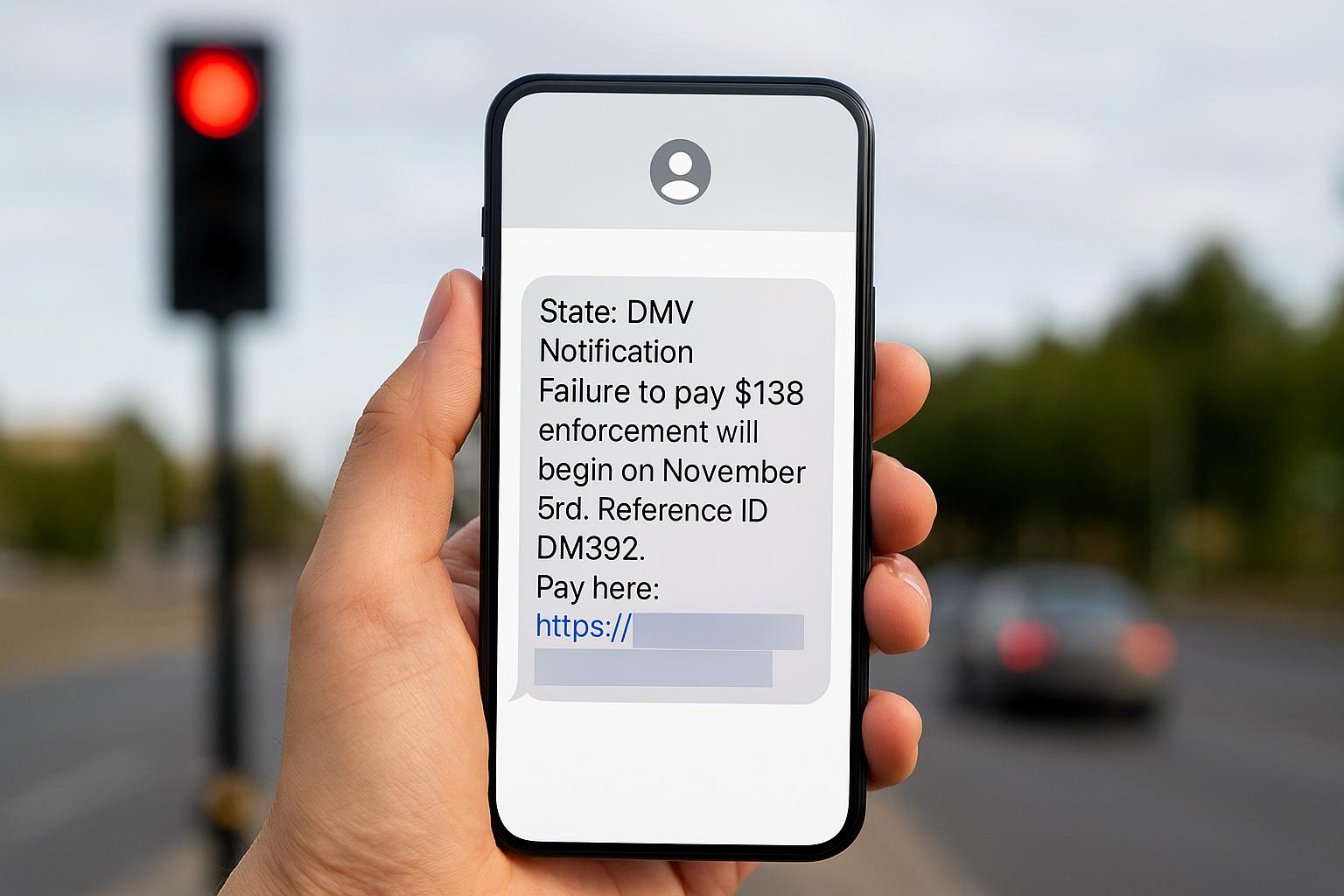
The fake texts often appear official, using urgent language and deadlines to pressure individuals into clicking malicious links or submitting payments through fraudulent websites. However, one of the most obvious giveaways is a glaring typographical error — with the text warning that “Enforcement will begin on November 5rd” and referencing a “failure to pay” date of “November 4nd.” These grammatical mistakes, coupled with unusual phrasing and unverified links, make it clear that the messages are not from any legitimate state agency.
Officials have strongly advised Illinois residents to avoid responding to these texts or clicking on any embedded links. No state department communicates about fines, fees, or penalties through text messages. Real government notifications are issued through postal mail or secure online portals, and they never demand instant payment or threaten enforcement within 24 hours. Residents who receive such messages are urged to delete them immediately and report the scam to federal and state authorities that handle cybercrime complaints.
This fraudulent campaign is part of a broader trend known as “smishing,” a form of phishing that uses text messages instead of emails to deceive victims. The goal is to trick people into revealing sensitive details such as bank account numbers, driver’s license data, or credit card information. Once these details are entered on a fake website, scammers can use them to make unauthorized transactions or commit identity theft.
Local authorities have observed that the messages typically include fake reference numbers, fabricated payment links, and even imitation websites that mimic official government pages. Many residents have reported receiving nearly identical texts, all following the same pattern of urgency and intimidation. The scammers rely on fear to push recipients into reacting quickly before they have time to verify the message’s authenticity.
Cybersecurity experts explain that this tactic works because it exploits basic human psychology. By threatening penalties such as vehicle suspension or credit damage, the scammers create a false sense of emergency. This manipulative strategy increases the likelihood that recipients will click on links or provide personal details without double-checking the source. Officials stress that no government agency in Illinois would ever send threatening texts or impose immediate consequences for unpaid fines.
To stay safe, residents are encouraged to verify any suspicious communication directly through official state websites or customer service phone numbers listed on government portals. If a person suspects that a text might be legitimate, they should avoid clicking any link and instead access the department’s site manually through a verified web address. This ensures that no sensitive data is entered on a malicious site.
Those who have already clicked on such links or shared personal details should act quickly to protect themselves. They should notify their banks, monitor their accounts for unusual activity, change passwords, and file a report with both local law enforcement and federal authorities. Taking these steps can help limit the damage and alert investigators to the spread of the scam.
Authorities in Illinois have been battling similar scams for several months, as criminals continually update their tactics to bypass detection. While the core message remains the same, new versions often use different wording, sender numbers, or even stolen logos to make the texts appear legitimate. Officials are reminding residents that awareness and caution are the best defenses against such schemes.
The recurrence of the fake traffic ticket scam highlights the growing sophistication of digital fraud. As more government services and financial transactions move online, scammers are exploiting this shift to reach potential victims through personal devices. With just one click, individuals can unknowingly expose themselves to identity theft or financial loss.
Experts emphasize that vigilance and skepticism are crucial. If a message feels urgent or suspicious, it’s best to pause, verify, and delete it. The combination of unusual deadlines, poor grammar, and unverified links should be treated as clear warning signs of fraud. Residents should also educate family members, especially seniors, who are often targeted in such scams.
Officials continue to urge everyone in Illinois to remain alert to any text messages demanding payment or threatening legal action. These scams are designed to look authentic but have no connection to legitimate government agencies. Reporting suspicious texts helps authorities track and shut down fraudulent networks more effectively.
The reappearance of these threatening “traffic ticket” messages serves as an important reminder that digital vigilance is now part of everyday safety. Simple steps like not clicking unknown links, confirming official sources, and reporting suspicious messages can help prevent identity theft and financial scams. As cybercriminals evolve, staying informed and cautious remains the strongest protection for Illinois residents.