Several major technology companies in the United States have advised employees working on H-1B visas to avoid international travel or return to the country immediately, as uncertainty grows around new immigration rules, higher application costs, and prolonged delays in visa interview appointments. The guidance reflects mounting concern among employers and workers about potential re-entry complications and extended periods of disruption caused by recent policy changes.
In recent months, firms including Apple and ServiceNow have cautioned certain visa-holding employees against leaving the US due to difficulties securing timely appointments at American embassies and consulates abroad. Similar advisories were issued earlier by other large technology employers following changes introduced through an executive order signed by US President Donald Trump, which significantly altered the H-1B visa framework.
One of the most controversial changes was the introduction of a $100,000 fee for new H-1B visa applications. Initially, companies and immigration experts expressed concern over whether the fee could also affect existing visa holders travelling outside the country and seeking re-entry. This lack of clarity prompted several employers to urge workers to minimize travel until formal guidance was issued.
The situation has been particularly stressful for Indian professionals, who account for more than 70% of H-1B visa holders. US technology firms, universities, hospitals, and research institutions depend heavily on these skilled workers to fill critical roles, and disruptions to visa processing have raised broader concerns about workforce stability and operational continuity.
Although US officials later clarified that the new fee would not apply to current H-1B visa holders returning to the country, the rule remains in effect for new applicants. The policy is also facing legal challenges from multiple US states, which argue that sharply higher visa costs could reduce access to global talent and negatively impact public services and innovation-driven industries.
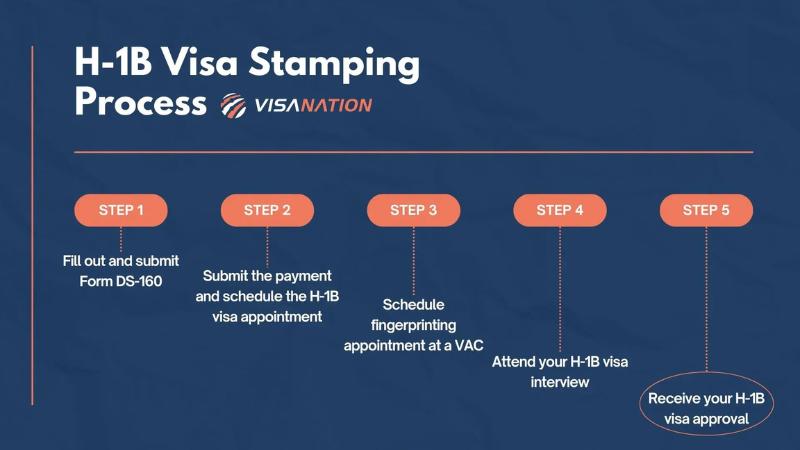
Compounding the issue, expanded social media screening requirements for visa applicants have significantly slowed processing times. The enhanced vetting applies not only to H-1B workers but also to their dependents, as well as international students and exchange visitors. As a result, routine visa interview appointments at US embassies have been pushed back dramatically, with some applicants now facing wait times extending well into late 2026.
The delays have had real-world consequences, particularly for professionals who travelled abroad expecting short stays for visa stamping. Many received last-minute notifications that their appointments had been postponed, leaving them stranded outside the US for extended periods. Immigration attorneys have since advised H-1B workers to avoid non-essential travel and to remain with their current employers, warning that job changes could complicate future visa sponsorship under the new fee structure.
Taken together, the new rules, higher costs, and administrative backlogs have created an atmosphere of uncertainty for both employers and skilled foreign workers. Until processing timelines stabilize and clearer guidance emerges, companies are expected to continue taking a cautious approach, prioritizing workforce continuity over international mobility.