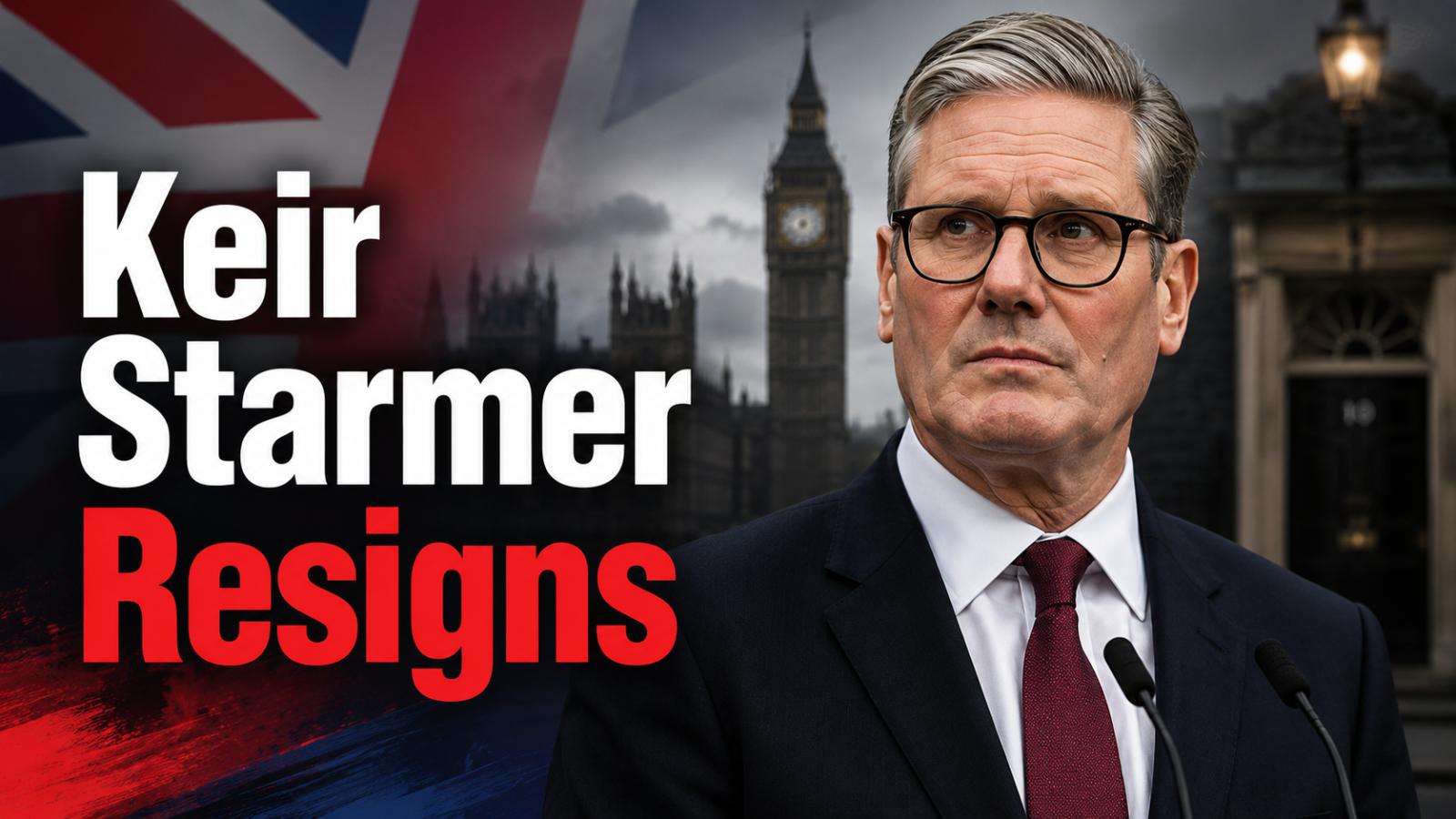
The resignation of UK Prime Minister Keir Starmer has pushed British politics into a major period of uncertainty, with Labour now preparing for a leadership contest that could decide the country’s next prime minister. Starmer announced on Monday, June 22, 2026, that he would step down after growing pressure from within his party and months of declining public support.
Starmer said he would remain in office during the transition to ensure stability while Labour chooses a new leader. The decision comes less than two years after he led Labour to a strong election victory in 2024, ending years of Conservative rule. However, his time in government became increasingly difficult as voters, ministers and Labour MPs questioned the direction of his leadership.
Labour prepares for leadership contest
Labour is now expected to begin the formal process of selecting a new leader, with the winner likely to move into Downing Street once the transition is complete. Because Labour remains the governing party, the change does not automatically trigger a general election. Instead, the party’s internal leadership race will shape who takes charge of the government next.
The contest is expected to draw close attention from MPs, party members and the wider public. Labour faces pressure to choose a leader who can steady the government, rebuild voter confidence and respond to criticism over its handling of the economy, immigration, public services and political discipline.
Pressure had been building inside Labour
Starmer’s position had weakened after policy reversals, poor polling and growing frustration among Labour MPs worried about the party’s future. His critics argued that the government lacked a clear message at a time when many voters were already facing financial pressure and uncertainty.
The rise of political rivals also added pressure. Labour figures became increasingly concerned that the party could lose ground if it failed to act before the next national election. Starmer defended his record but said the decision to step aside was made in the country’s interest and to allow a new leader to take the party forward.
What happens next in UK politics
The coming weeks will be crucial for Labour and the wider country. A leadership race will test the party’s unity and reveal whether members want continuity or a sharper change in direction. Until a successor is chosen, Starmer will continue as prime minister and government work will carry on from Downing Street.
For the public, the immediate impact is political rather than electoral. Britain is not heading straight into a general election, but the person leading the government is set to change. The next Labour leader will inherit a difficult political environment, a restless party and the challenge of convincing voters that the government still has a credible plan.