Pakistan Closes Airspace to India Amid Tensions After Pahalgam Attack; Flights and Diplomacy Affected
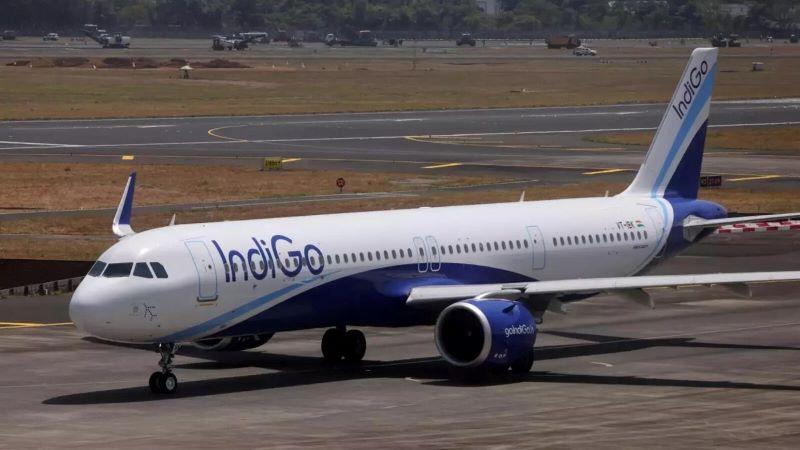
Tensions between India and Pakistan escalated sharply this week after a deadly terrorist attack in Jammu and Kashmir’s Pahalgam left 26 people dead, including civilians and tourists. The fallout has now extended to international air travel and diplomatic ties. In a significant move on Thursday, Pakistan closed its airspace to all Indian-owned or -operated airlines, triggering travel disruptions and widespread concern. Indian carriers IndiGo and Air India have already issued public warnings, stating that some international flights may face delays or rerouting due to the sudden closure of Pakistani airspace.
Both airlines advised travelers to check their flight statuses before heading to the airport. The alternative air routes may lead to longer flight durations, especially for services to the United States, Europe, and the Middle East. “We regret the inconvenience caused,” Air India said in a statement on social media platform X, echoing similar messages from IndiGo. The airspace closure came hours after India initiated a series of retaliatory diplomatic actions, including the suspension of visas for Pakistani nationals and announcing its intent to review the Indus Waters Treaty a long-standing agreement that governs river water sharing between the two nations. Pakistan responded strongly, warning that any attempt to alter or revoke the treaty which provides Islamabad with around 80% of its riverine water supply would be viewed as an “act of war.”
The core trigger behind these mounting tensions is the terror attack in Pahalgam that occurred on Tuesday afternoon. According to Indian authorities, it was the worst civilian-targeted attack in years, and the deadliest incident since the 2019 Pulwama attack, in which 40 CRPF personnel were killed. This week’s strike left 26 people dead in a coordinated, fast-moving assault across three locations in just 10 minutes. Investigators believe the level of training and execution points to state-sponsored terrorism. The Resistance Front, a proxy organization of the Pakistan-based Lashkar-e-Taiba, claimed responsibility for the attack.
Indian intelligence officials say they have concrete evidence of Pakistani involvement, including support from Pakistan’s intelligence agency ISI, according to former defence expert Major General Yash Mor (retd.). Speaking to Media, he said the attack bore all the hallmarks of a highly trained, militarized operation. Prime Minister Narendra Modi, who was on a diplomatic visit to Saudi Arabia at the time of the attack, immediately cut short his trip and returned to India. Interestingly, the PM's aircraft avoided Pakistani airspace, rerouting its journey back from Riyadh a move widely interpreted as a precautionary response by Indian security agencies due to elevated threats.
Upon his return, PM Modi issued a stern warning: “We will identify and punish every individual and group responsible for this act of terror.” Delivered in English during a public address in Bihar’s Madhubani, the message was seen as a deliberate choice aimed at the international community. It marked a break from Modi’s usual preference for Hindi in domestic speeches and signaled the seriousness with which India views the attack. Earlier today, Foreign Secretary Vikram Misri held high-level briefings with diplomats from key global partners, including the US, Russia, Qatar, Japan, Europe, and China, to share intelligence gathered in the immediate aftermath of the attack. These countries had already condemned the attack, and India is seeking unified support to mount pressure on Pakistan through diplomatic channels.
As of now, no suspects have been captured, though sketches of the assailants have been released and a large-scale manhunt is underway in Jammu and Kashmir. Over 48 hours have passed since the attack, and security agencies continue to search for leads in what is now considered one of the most serious escalations in Indo-Pak relations in recent years. The Indus Waters Treaty often described as one of the few enduring agreements between the two nations is now in question. Its suspension could have far-reaching implications for water security in Pakistan and could push diplomatic tensions to even more volatile territory. Islamabad has issued statements declaring that any disruption to this treaty will be resisted fiercely.
As the situation continues to unfold, travelers, businesses, and diplomats are bracing for further developments. With airspace closed, visa access suspended, and military posturing increasing, South Asia once again stands at a precarious crossroad. Whether the world will see de-escalation or deeper conflict may depend heavily on how both nations navigate the days ahead.