Gone are the days when a father’s role was confined to being the sole breadwinner and an occasional disciplinarian. In today’s world, men are reshaping their identities as parents—not just by choice, but out of a genuine desire to connect, nurture, and support their children as equal partners in parenting. This shift reflects a deeper transformation in gender roles and family expectations, especially in the U.S., where dual-income households and modern values demand more shared responsibility at home.
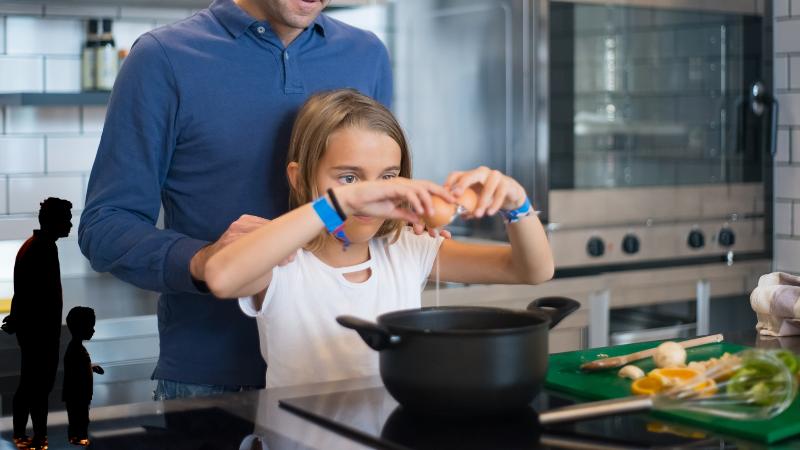
Fathers are now attending PTA meetings, learning to braid their daughters’ hair, taking paternity leave, and being emotionally available in ways that were once considered unconventional. Studies show that children with involved fathers perform better academically, exhibit fewer behavioral problems, and develop stronger social skills. What was once labeled as “helping out” is now acknowledged as parenting—full stop. Men today are increasingly rejecting outdated stereotypes that equate masculinity with emotional detachment or provider-only roles. Instead, they are embracing fatherhood with empathy, patience, and presence.
Social media and pop culture also play a part in normalizing these changes. From dad influencers sharing lunchbox ideas to movies portraying sensitive, stay-at-home dads, the narrative is evolving. Workplaces are slowly catching up, with more companies offering paternity leave and flexible schedules, empowering men to be more present at home. Yet, despite this progress, many fathers still face social judgment or workplace pressure that undervalues their caregiving role. The real challenge lies in dismantling these lingering cultural attitudes and replacing them with broader acceptance of shared parenting.
Ultimately, the evolving role of men in parenting isn’t just about breaking stereotypes—it’s about building stronger families. When fathers are active, emotionally supportive, and equally responsible, everyone benefits: children feel more secure, mothers gain relief from the burden of doing it all, and society moves a step closer to true gender equality. It’s not just a new role—it’s a revolution in fatherhood, and it’s long overdue.