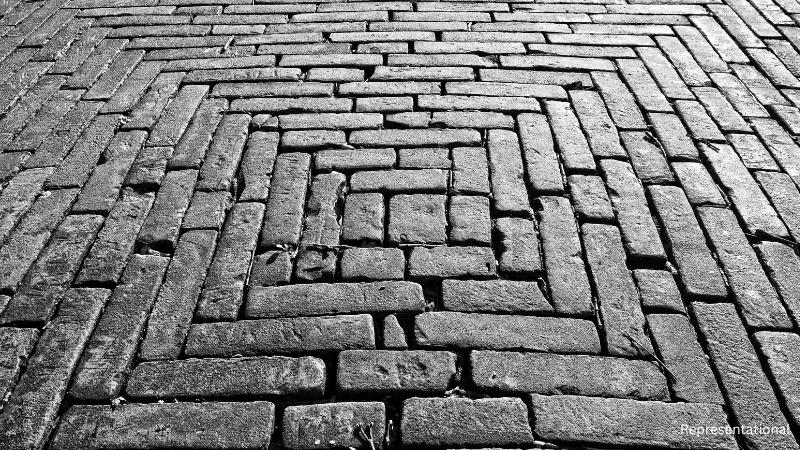
Columbus, Ohio is undergoing a major infrastructure upgrade as construction crews begin installing permeable pavers in 21 neighborhoods throughout the city. This innovative project, part of the Blueprint Columbus initiative, is aimed at tackling two persistent urban challenges: managing rainwater runoff and preventing sanitary sewer overflows. The installation of permeable pavers marks a significant shift toward green infrastructure that supports both public health and environmental sustainability.
The permeable pavers are engineered to handle stormwater more efficiently than traditional asphalt or concrete. Instead of allowing rainwater to flow into streets and overwhelm sewer systems, these specially designed pavers enable water to pass through the small gaps between the bricks. Underneath, layers of crushed aggregate stone filter and slow the water before directing it into the stormwater system. This process helps reduce flooding, prevents sewage backups into homes, and filters pollutants before they reach local rivers and streams.
Construction Superintendent Matt Booher explained that the new paver design uses cracks filled with aggregate stone, allowing rainwater to infiltrate rather than accumulate on the surface. As a result, these streets effectively become large collection basins that handle runoff naturally while protecting surrounding infrastructure. According to Cameron Keir from Blueprint Columbus, this project integrates multiple strategies to enhance drainage. By filtering water through sand and stone layers, the city reduces the burden on storm sewers and ensures cleaner water flows into waterways.
Beyond the pavers themselves, the project includes a range of green infrastructure improvements coordinated across city departments. These efforts include upgraded sidewalks, sewer lateral lining, and pump installations to prevent water from collecting in vulnerable areas. Keir emphasized that by combining these initiatives, the city is not only preventing flooding but also ensuring that residents enjoy safer and healthier living environments. The cleaner water resulting from this system benefits local rivers, streams, and ultimately the community at large.
The implementation of permeable pavers also highlights the city’s broader commitment to sustainability. By transforming streets into functional drainage systems, Columbus reduces its reliance on expensive and energy-intensive stormwater treatments. This solution reflects a forward-thinking approach to urban planning, where environmental considerations are integrated directly into infrastructure development. The collaboration between various city departments under Blueprint Columbus ensures that these improvements are carried out efficiently while minimizing disruption to residents.
Residents in the neighborhoods where the pavers are being installed can expect temporary construction activities, but the long-term benefits are substantial. Improved drainage means fewer instances of flooded basements and streets, as well as a reduction in sanitary sewer overflows that have historically plagued many urban areas. The permeable paver streets not only perform better during storms but also enhance the aesthetic appeal of the neighborhoods, creating a more pleasant environment for everyone.
The project is expected to be fully completed by 2026, and when finished, it will serve as a model for other cities facing similar stormwater management challenges. By investing in sustainable infrastructure today, Columbus is taking proactive steps to protect both its residents and its natural resources for the future. This ambitious project demonstrates how green infrastructure can successfully merge functionality with environmental stewardship, providing cleaner water and safer neighborhoods across the city.