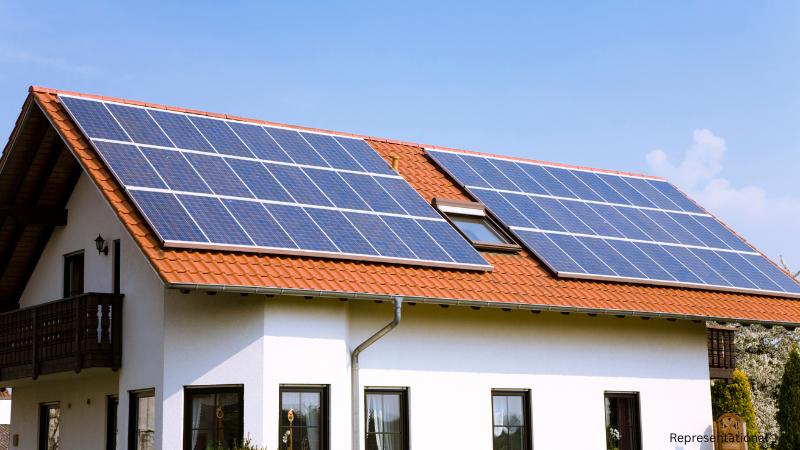
Illinois residents are rushing to secure rooftop solar installations before a major federal incentive expires at the end of the year. The 30 percent federal tax credit for clean energy systems, which was introduced under a legislative package signed earlier this year, will come to an end on December 31. For many homeowners and businesses, this looming deadline has created a sense of urgency, with installers reporting an overwhelming demand that has stretched their capacity and left some customers unable to schedule projects in time.
The tax credit has been one of the most significant motivators for people considering a switch to solar power, effectively reducing upfront installation costs by nearly a third. For a system that costs around $25,000, the credit translates to a savings of approximately $7,500, making rooftop solar far more accessible for households that would otherwise find the expense prohibitive. Without this financial relief, industry experts fear a slowdown in adoption rates just as demand for electricity is soaring across the country due to the expansion of artificial intelligence data centers and large manufacturing facilities.
Solar company owners have reported an influx of calls and requests, sometimes doubling or tripling the usual interest. Many are working at full capacity and have even started turning away customers because they cannot guarantee that new installations will be completed before the December deadline. Homeowners who manage to secure an installation in time stand to benefit not just from the tax credit, but also from long-term energy savings, with some experts estimating up to 80 percent savings over the lifetime of a solar system, which typically lasts 25 to 30 years.
Industry representatives also warn that the expiration of the federal tax credit could have consequences beyond homeowners’ wallets. The solar sector provides thousands of jobs in Illinois, ranking 13th nationwide with nearly 6,000 jobs and more than 300 companies operating in the state. Losing such a strong incentive, they argue, risks slowing growth and could potentially lead to job losses if fewer households choose to invest in solar energy.
Despite these concerns, there are still opportunities for Illinois residents to benefit from solar even after the federal credit ends. State programs like Illinois Shines offer guidance on reputable installers, explain how solar power works, and provide information on additional incentives that remain available. Furthermore, community solar programs give households without suitable rooftops the ability to participate in clean energy generation and enjoy reduced energy bills.
The practicality of rooftop solar for homeowners in Illinois remains strong, with the state’s climate providing enough annual sunlight to make installations worthwhile. While shading from trees or limited roof space can affect viability, most homes in the region have sufficient conditions to generate meaningful energy savings. Panels are designed to withstand harsh winters and extreme weather, and they are typically covered under homeowners insurance policies, providing further peace of mind for those considering the investment. Maintenance requirements are minimal, and systems can be monitored online to quickly identify potential issues.
The upcoming deadline, however, has intensified decision-making for many households. Some families worry that missing out on the federal incentive means delaying their solar plans indefinitely, while others are racing to find installers who can still fit them in before December. For many, the question is no longer whether solar is worthwhile but whether they can act fast enough to secure the tax credit before it disappears.
Supporters of renewable energy caution that the expiration of the credit comes at a time when the country should be encouraging greater adoption of clean energy sources. They point out that distributed power generation reduces the strain on the electrical grid, saves on costly infrastructure upgrades, and delivers environmental benefits. Advocates stress that renewable energy not only helps households save money but also strengthens energy independence and reduces reliance on fossil fuels.
As the clock ticks down, Illinois residents interested in rooftop solar are left weighing their options. For those who can act quickly, the federal tax credit represents a valuable opportunity to cut costs and lock in long-term savings. For others, state programs and community solar offer alternative paths to join the clean energy movement. Either way, the growing urgency around this deadline underscores the rising importance of renewable energy in meeting the country’s energy needs, economic growth, and environmental goals.