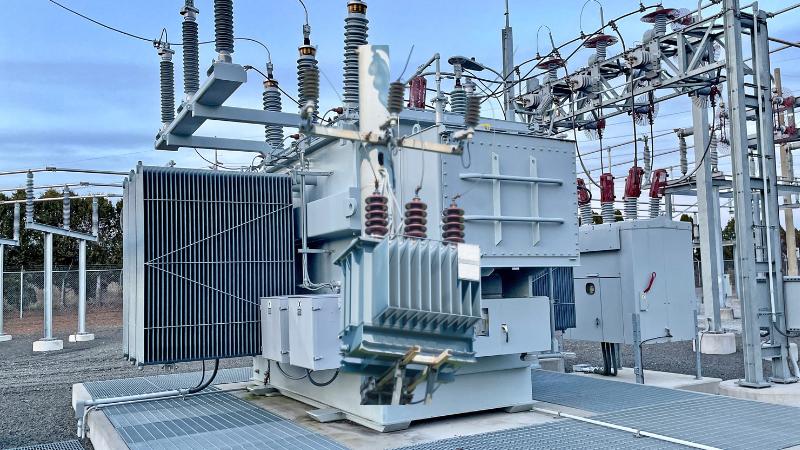
In one instance, a resident described how their ceiling fan would suddenly start spinning at full speed without warning. Another homeowner, who experienced widespread electrical failures, reported spending $4,000 on repairs just to restore power and replace damaged equipment. The disturbances were eventually traced back to a faulty transformer servicing the area. Crews were dispatched to repair the issue, but by then, many homes had already suffered significant losses.
After filing claims with the utility company responsible for servicing the area, residents hoped to be reimbursed for the damage. However, they were instead referred to the company’s tariff on file with the state. This legal document, which outlines the utility’s service terms, includes a provision stating the company is not liable for damage caused by power surges, outages, or other interruptions in service—regardless of the financial impact on customers.
For homeowners, this was an unwelcome surprise. One resident described being denied by both their insurance provider and the utility company, leaving them with no clear recourse. “You call the utility company, and they deny your claim. Then the insurance says it’s not covered. It leaves you wondering who can help,” the resident said.
In Texas, as in many other states, utility companies are often shielded from liability under state-approved tariffs, unless negligence or misconduct can be proven. These protections mean that even when electrical disturbances originate from utility infrastructure, customers may still be responsible for their own repair costs. Homeowner’s insurance policies may provide some relief, but coverage varies widely and can often exclude power surge damage, especially when caused externally.
For those affected, documenting all damages and filing detailed claims with both the utility and their insurance provider remains essential. Keeping photos, receipts, repair estimates, and correspondence can be critical if legal action or an appeal becomes necessary. To prevent future losses, experts recommend installing whole-home surge protectors. These devices offer a line of defense against external electrical spikes, protecting large appliances and sensitive electronics. Surge protector power strips, when properly rated and used correctly, can add an extra layer of safety for everyday devices. Additionally, periodic inspections by a licensed electrician can help ensure that internal wiring is up to code and able to handle unexpected current fluctuations.
This situation serves as a reminder of how vulnerable homes can be to infrastructure failures and how legal and regulatory frameworks can leave consumers with little support. With increasingly frequent weather-related power disruptions and aging electrical grids, homeowners face heightened risks of damage from events beyond their control.
As residents in Texas continue to deal with the financial and emotional strain from these surges, many are calling for better accountability and clearer protection for customers. Until such changes are made, individuals must take precautions into their own hands and be prepared for the possibility that, even when the fault lies beyond their property, the responsibility for repairs may still fall on them.