Professional wrestling legend Hulk Hogan, widely considered one of the most iconic figures in the history of sports entertainment, has died at the age of 71 following a suspected cardiac arrest at his Florida residence. Emergency responders were reportedly dispatched after a 911 call was made, but despite efforts, Hogan could not be revived. His passing comes just weeks after his wife dismissed public rumors claiming the former wrestling star was in a coma. At that time, she had insisted he was recovering well and had a strong heart. The sudden death of Hulk Hogan has left the wrestling community and his global fanbase in shock, mourning the end of a towering era in professional wrestling.
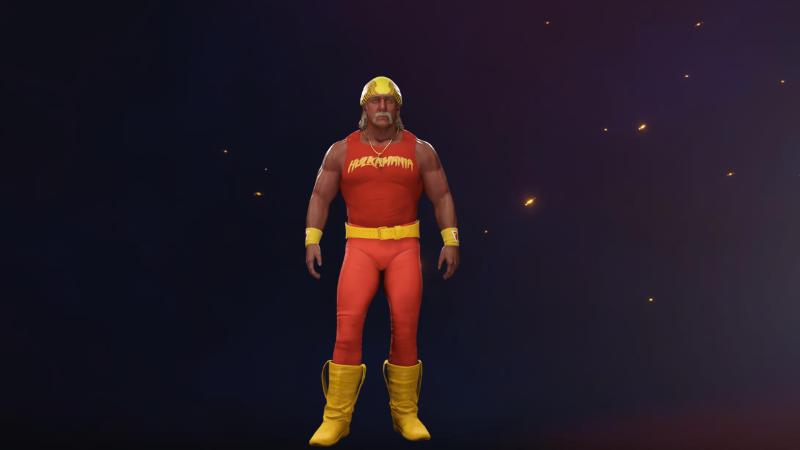
Born Terry Eugene Bollea on August 11, 1953, in Augusta, Georgia, Hulk Hogan rose to fame in the 1980s and became the face of professional wrestling across the globe. With his unmistakable handlebar mustache, muscular frame, and signature yellow bandanas, he transformed what was once a niche athletic event into mainstream, family-friendly entertainment. Catchphrases like “Whatcha gonna do when Hulkamania runs wild on you?” became part of pop culture, and Hogan quickly became more than just a wrestler—he was a global icon. His presence was instrumental in helping the World Wrestling Federation, now known as WWE, break into households worldwide. He headlined eight of the first nine WrestleMania events and won the WWE Championship six times, establishing himself as a central figure in the sport’s golden era.
Hogan's influence extended far beyond the ring. He appeared in movies, television shows, and commercials, making the leap into mainstream entertainment with ease. Children and families embraced his superhero-like persona during a time when professional wrestling was still gaining traction. His appeal helped build the foundation for WWE’s future success and global reach.
In 1996, in one of the most surprising moments in wrestling history, Hulk Hogan reinvented himself by turning heel, abandoning his clean-cut image and adopting a darker character known as “Hollywood Hogan.” This transformation took place in World Championship Wrestling (WCW), where he co-founded the New World Order (NWO) alongside wrestling stars Kevin Nash and Scott Hall. The creation of NWO redefined professional wrestling in the late 1990s, pushing edgier, more complex storylines and revitalizing Hogan’s career for a new generation of fans. His heel turn not only extended his longevity in the industry but also demonstrated his adaptability and charisma.
Despite his career achievements, Hulk Hogan's legacy was not without controversy. In 2015, he was removed from the WWE Hall of Fame after a leaked video revealed him making racially insensitive remarks while being secretly recorded. The scandal tarnished his public image, but he later won a highly publicized legal battle against the media outlet that had released the footage, receiving a significant financial settlement that led to the outlet's bankruptcy. In 2020, Hogan was re-inducted into the WWE Hall of Fame, this time as a member of the NWO, symbolizing both his influence as a solo performer and as part of one of wrestling’s most legendary factions.
Over the last several years, Hogan faced multiple health challenges and underwent numerous surgeries, though he often appeared in public events and conventions, interacting with fans and maintaining his presence in wrestling culture. While the later part of his life was marked by personal and public hurdles, his contributions to the sport remained undeniable.
Hulk Hogan's death signals more than just the loss of a wrestling legend; it represents the conclusion of an era that reshaped how the world viewed professional wrestling. He was the bridge between athletic spectacle and entertainment spectacle, blending the two in a way no one before him had done. Through triumphs and tribulations, he remained a cultural cornerstone whose name became synonymous with professional wrestling.
As tributes pour in from across the globe, it’s clear that Hulk Hogan’s influence transcended generations. Whether remembered as the heroic face of Hulkamania or the cunning strategist of Hollywood Hogan, Terry Bollea's legacy as Hulk Hogan is firmly cemented in history. His life, marked by thunderous cheers, dramatic turns, and unforgettable moments, will continue to live on in the hearts of millions who grew up watching him dominate the ring with unmatched charisma and presence.