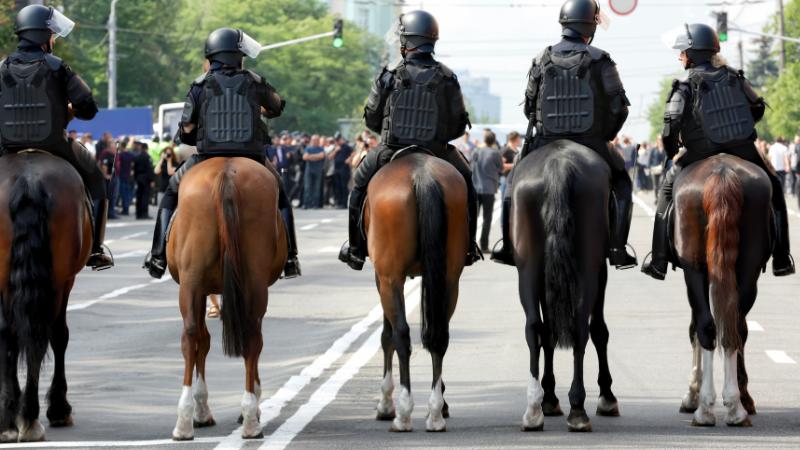
San Jose police will have to wait at least another year before the city considers bringing back its horse mounted unit, a once iconic division that served the city for more than a century before being disbanded in 2018. The San Jose City Council voted 6-4-1 this week to defer the decision until next year’s budget cycle, citing the city’s projected $25 million deficit and competing priorities.
The mounted unit, which was once a visible presence downtown, was originally disbanded due to financial and staffing constraints. Its possible revival resurfaced after tensions between the police union and City Hall were resolved, reigniting debate over whether the program should return. Supporters of reinstating the unit, including Mayor Matt Mahan, police leaders and some business advocates, argue that officers on horseback provide an elevated line of sight, act as a visible deterrent to crime, and strengthen public trust by encouraging more community interaction.
The proposal from the San Jose Police Department called for a one-time investment of about $390,000 to cover equipment, six horses, two trucks, two trailers, uniforms, and training. Ongoing costs such as horse feed, veterinary care, farrier services, and stable maintenance were estimated at an additional $31,000 in the first year. Police Chief Paul Joseph emphasized that the program would not require new personnel since existing patrol assignments downtown would be reassigned to mounted duty.
Assistant Police Chief Brian Shab explained during the meeting that officers on horseback could engage with the community in ways regular patrol officers could not, describing the mounted unit as a bridge for relationship building. Horses naturally draw attention, leading to conversations between officers and residents that help humanize policing and foster trust.
Still, the idea of bringing horses back to the force has been met with strong criticism. Some activists and residents questioned the effectiveness of mounted patrols in addressing urgent issues like burglaries and downtown safety. Concerns were also raised about the potential use of mounted officers during protests, with critics arguing that horseback policing evokes troubling historical associations.
Councilmember Rosemary Kamei, who voted to delay the decision, acknowledged the symbolic value of the mounted unit but warned about the costs. She pointed out that the city had already been forced to cut senior food programs this year due to budget shortfalls, making it difficult to justify expensive programs. “They’re really expensive, and once you commit, it’s very hard to walk away,” she said.
Mayor Mahan countered by emphasizing public safety as a consistent community priority. He argued that while the history of policing includes imperfections and abuses, the San Jose Police Department has demonstrated accountability by disciplining and even firing officers for misconduct. To him, the mounted unit represented an additional tool that could improve visibility and safety downtown.
The decision reflects San Jose’s ongoing struggle to balance police accountability, fiscal constraints, and public safety. Earlier this year, the council rejected a proposal from the city’s independent police auditor to review every use of force case annually. The city is still grappling with lawsuits stemming from the department’s response to the 2020 Black Lives Matter protests, during which demonstrators were injured.
For now, the mounted patrol remains shelved, but the debate over its revival is far from over. Next year’s budget discussions are expected to revisit the proposal as the city weighs whether the benefits of horses in law enforcement outweigh the costs. Advocates believe that reintroducing mounted officers would add a valuable dimension to community policing, while opponents argue that limited resources should go toward addressing more pressing needs.
As the city continues to navigate financial challenges and questions of police accountability, the fate of the horse mounted unit will likely remain a symbolic and divisive issue. Whether San Jose residents see horses return to their streets will depend on how the council prioritizes public safety, fiscal responsibility, and community trust in the year ahead.