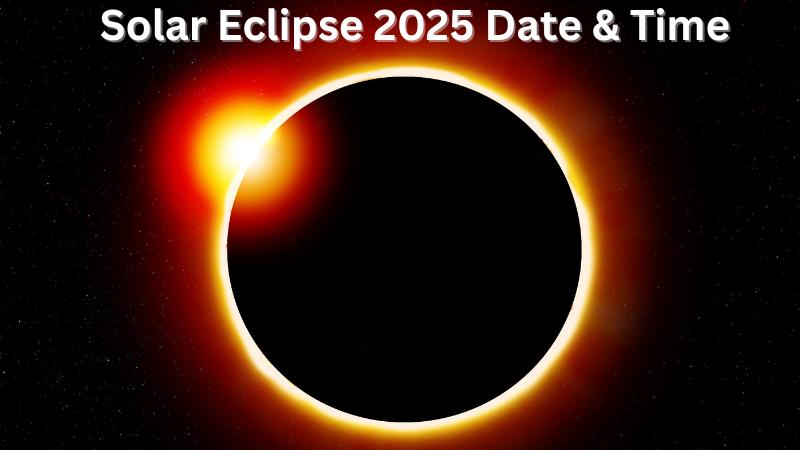
The partial solar eclipse on September 21, 2025, is one of the most anticipated celestial events of the year. Unlike a total eclipse where the Moon completely hides the Sun, this will be a partial eclipse, with the Moon covering up to 80–85% of the Sun’s disk in the most favorable viewing spots. The spectacle will be most striking at sunrise in southern New Zealand and during the morning hours in eastern and southern Australia, including cities like Sydney, Melbourne, and Hobart.
Unfortunately, the United States and Canada will not experience this eclipse. Both countries fall completely outside the Moon’s shadow path during the event. Observers in North America will only be able to watch the eclipse through live streams and online broadcasts hosted by observatories in the Southern Hemisphere. But North American eclipse enthusiasts have a major event to look forward to: the total solar eclipse on August 12, 2026, which will bring full visibility across large parts of the USA.
The partial eclipse will also be visible in Antarctica and some Pacific islands like Fiji and Tonga. These regions will see varying degrees of coverage, depending on their location. India and most of Asia will not witness the eclipse directly, but skywatchers can still follow the event virtually.
Breakdown Of Solar Eclipse 2025
Date and Time
-
Occurs on September 21, 2025.
-
In Australia and New Zealand, it will be visible on the morning of September 22 due to time zone differences.
Type of Eclipse
-
A partial solar eclipse, not a total eclipse.
-
The Moon will block only part of the Sun, creating a crescent-like view.
Best Viewing Locations
-
Southern New Zealand – maximum obscuration (up to 85%).
-
Eastern and Southern Australia – Sydney, Melbourne, Hobart will see dramatic views.
-
Antarctica – remote stations will have some of the highest coverage.
-
Pacific Islands – Fiji, Tonga, and nearby regions will get partial visibility.
Regions With No Visibility
-
USA and Canada – no direct visibility at all.
-
India and most of Asia – eclipse not visible.
Viewing Alternatives For North America
-
Follow NASA live streams.
-
Watch coverage from Australian and New Zealand observatories.
-
Wait for the August 12, 2026 total solar eclipse visible across the USA.
Safety Guidelines (NASA Recommendations)
-
Do not view the Sun with naked eyes or regular sunglasses.
-
Use ISO 12312-2 certified eclipse glasses or solar viewers.
-
Avoid looking through cameras, telescopes, or binoculars without proper solar filters.
-
Try indirect viewing methods like pinhole projectors or shadows through tree leaves.
-
Supervise children carefully to ensure safe viewing practices.
The Solar Eclipse of September 21, 2025 will mainly enchant viewers in Australia, New Zealand, Antarctica, and parts of the Pacific, creating a once-in-a-lifetime sight at sunrise. While the USA, Canada, and India miss out on direct visibility, technology ensures global participation through live broadcasts. With proper safety precautions, skywatchers in the Southern Hemisphere can look forward to a mesmerizing experience. For North Americans, the wait continues until August 12, 2026, when a total solar eclipse will dominate the skies across the continent.