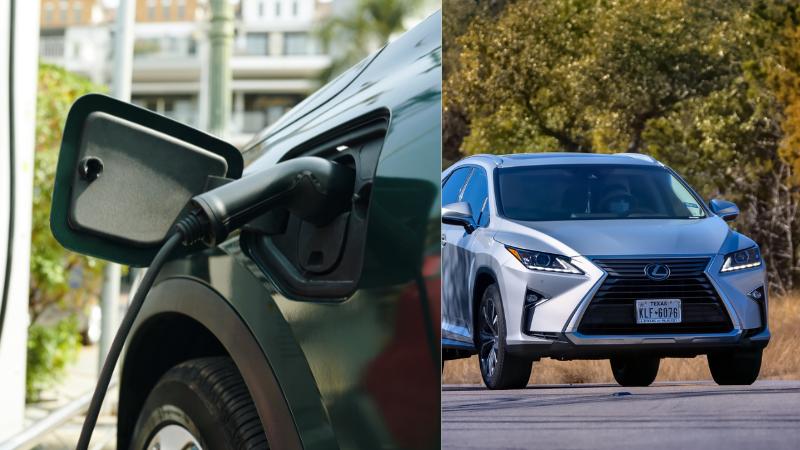
As the world moves toward more sustainable transportation, the debate between hybrid and electric cars continues to grow. With both options offering eco-friendly benefits, understanding the differences between them is essential when considering your next vehicle purchase. Here's a breakdown to help you decide which is the right choice for you
1. What is a Hybrid Car?
A hybrid car uses both an internal combustion engine (ICE) and an electric motor to reduce fuel consumption and emissions. The electric motor assists the gasoline engine during acceleration, and it recharges through regenerative braking. Hybrids don’t need to be plugged in to recharge their batteries, making them an excellent option for those who want better fuel efficiency without the hassle of charging stations.
2. What is an Electric Car?
An electric car (EV), on the other hand, relies solely on an electric motor powered by batteries. It produces zero emissions and is recharged by plugging it into an electric power source. While EVs typically have a longer range on a single charge than hybrids, they require access to charging stations and may take longer to charge compared to refueling a gasoline vehicle.
3. Fuel Efficiency and Emissions
-
Hybrid Cars: Since hybrids use both gasoline and electricity, they tend to have better fuel economy than traditional cars, but emissions are still present due to the use of gasoline.
-
Electric Cars: EVs have the advantage of zero emissions, making them the better choice if reducing your carbon footprint is a priority.
4. Range and Charging
-
Hybrid Cars: The range is not a concern, as hybrids can run on gasoline when the battery is depleted, making them suitable for longer trips without worrying about charging stations.
-
Electric Cars: While EVs have a limited range (usually between 150–370 miles per charge), the availability of fast-charging stations and home charging options is improving rapidly.
5. Cost Considerations
-
Hybrid Cars: Typically, hybrids cost more than regular gasoline cars but are cheaper than EVs. The price varies depending on the model and features. Fuel savings can offset the higher initial price over time.
-
Electric Cars: EVs usually have a higher upfront cost, but government incentives and tax credits can help lower the price. Over time, you’ll save on fuel and maintenance costs as electric vehicles have fewer moving parts and require less upkeep than hybrids or traditional cars.
6. Maintenance
-
Hybrid Cars: Hybrids require regular maintenance for both the gasoline engine and electric components. This means potentially higher maintenance costs than traditional cars.
-
Electric Cars: EVs generally have lower maintenance costs since they don’t have a gasoline engine, and parts like the transmission and exhaust system are absent.
7. Environmental Impact
-
Hybrid Cars: While hybrid cars are more eco-friendly than traditional vehicles, they still rely on gasoline, which contributes to carbon emissions.
-
Electric Cars: EVs are the clear winner when it comes to reducing your carbon footprint. They produce zero emissions and are more sustainable in the long run.
Which One Is Right for You?
-
Choose a Hybrid if you want better fuel economy without the need to worry about charging stations, especially for long-distance trips.
-
Choose an Electric Car if you're focused on reducing your environmental impact, don’t mind a higher upfront cost, and have access to charging infrastructure.
Both options have their advantages, but your decision will ultimately depend on your driving habits, budget, and long-term sustainability goals.