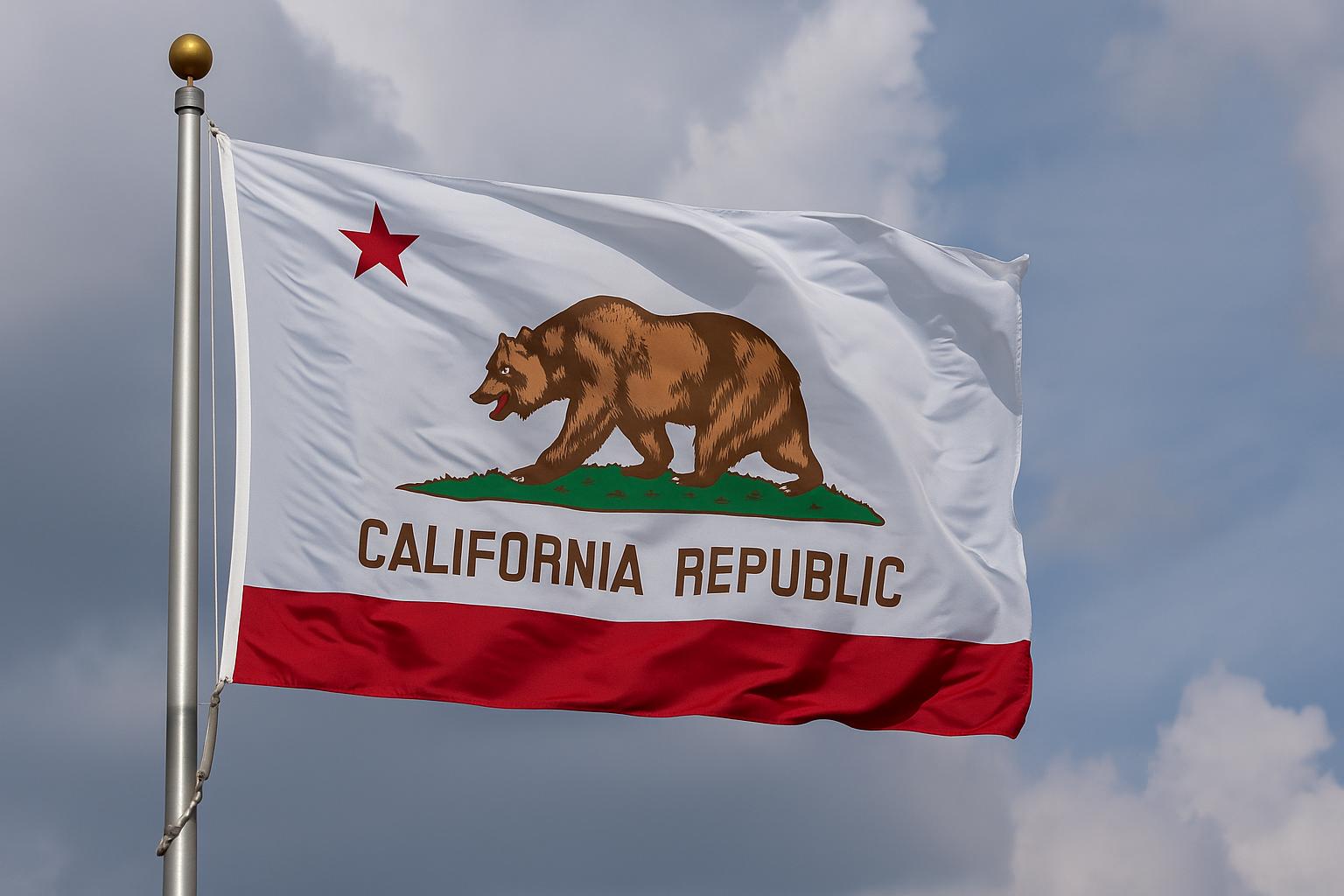
SACRAMENTO, Calif. — California has joined several other states in filing a lawsuit against the Trump administration, accusing it of unlawfully refusing to provide federal food assistance benefits during the ongoing government shutdown. Governor Gavin Newsom and Attorney General Rob Bonta announced the legal action Tuesday, stating that the decision by the administration to withhold funds under the Supplemental Nutrition Assistance Program, or SNAP, will leave millions of residents without vital food aid in November.
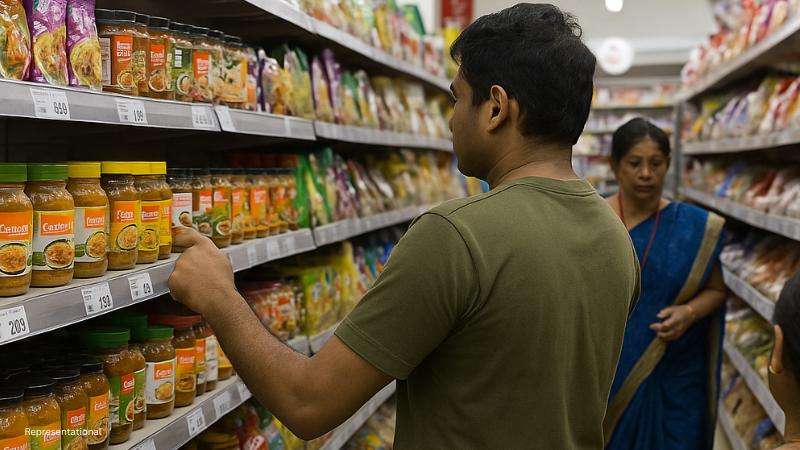
According to the state officials, the United States Department of Agriculture (USDA) has the authority and financial means to continue funding SNAP through contingency reserves, even amid a federal shutdown. However, the department has opted not to release the funds, a move that California argues is both unlawful and deeply harmful. The suspension is expected to affect 5.5 million Californians who rely on the program, known locally as CalFresh, for essential nutrition support.
Governor Newsom strongly criticized the administration’s actions, describing them as an act of cruelty that places millions of Americans at risk of hunger. “While Donald Trump parades around the world trying to repair the economic damage he's done with his incompetence, he's denying food to millions of Americans who will go hungry next month,” Newsom said in a statement. “It's cruel and speaks to his basic lack of humanity. He doesn't care about the people of this country, only himself.”
In response to the anticipated funding shortfall, California is allocating emergency resources to protect vulnerable families. The governor’s office confirmed that $80 million in state funds will be fast-tracked to support food banks and stabilize local operations affected by the federal suspension. The state initiative is aimed at preventing widespread hunger and mitigating the immediate effects on low-income households that depend on monthly CalFresh benefits.
Several local governments are also stepping in with their own relief efforts. Alameda County officials are expected to approve $10 million to assist community food banks in maintaining services for affected families. Contra Costa County leaders are reportedly developing a temporary gift card program to help SNAP beneficiaries purchase groceries during the funding gap. These local responses underscore growing concern over the potential humanitarian impact of the USDA’s inaction.
Attorney General Rob Bonta emphasized that this marks an unprecedented situation, noting that SNAP benefits have never before been withheld during a government shutdown. “November SNAP benefits can and must be provided, even with the government shutdown,” Bonta said. “The USDA not only has authority to use contingency funds, it has a legal duty to spend all available dollars to fund SNAP benefits. The Trump administration, however, has chosen instead to play politics with this essential safety net that so many people depend on.”
The lawsuit asserts that the USDA’s refusal to distribute the benefits violates federal law, particularly its obligation to ensure continued access to food assistance programs for eligible families. State attorneys argue that withholding SNAP funds not only endangers public health but also destabilizes local economies that rely heavily on grocery spending from program participants. California’s filing seeks an immediate injunction requiring the USDA to release the funds and continue administering SNAP without interruption.
State officials have warned that the abrupt cutoff could have ripple effects across the state’s food distribution network. Food banks, already stretched thin by increased demand, could face overwhelming pressure as millions turn to them for support. Advocates for low-income families say the situation threatens to undo years of progress in reducing hunger rates in California.
Newsom’s administration has framed the issue as both a legal and moral battle, arguing that denying food aid during a shutdown disregards the federal government’s duty to protect its most vulnerable citizens. The state’s emergency funding measures, though temporary, are designed to buy time while the courts consider the case.
California’s action adds to growing national pressure on the federal government to restore SNAP funding. Other states have signaled their intent to join the legal challenge, citing similar concerns for their residents. As the case moves forward, the outcome could determine how essential aid programs are managed during future government shutdowns.
For millions of Californians, the stakes are immediate and personal. Without federal intervention, many households may struggle to secure enough food in the coming weeks. State and local agencies are urging families to stay informed about available resources and temporary assistance as the legal process unfolds.