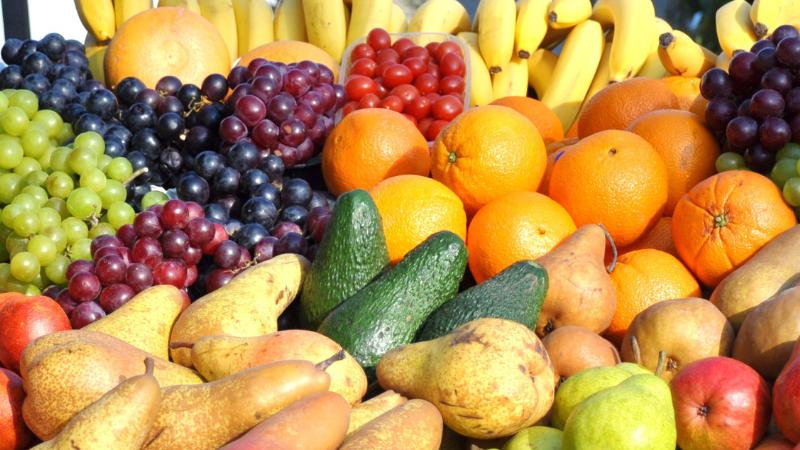
The late-April pilot harvest saw local volunteers come together to collect fruit that would have otherwise gone unused or spoiled. Their efforts resulted in around a dozen crates filled with fresh, nutritious produce that was promptly distributed to families in need. The harvest was not just a practical response to excess food but a meaningful gesture of solidarity with neighbors facing difficult times.
This project is part of a growing movement encouraging residents to contribute surplus produce from their own properties to combat hunger and reduce food waste. By turning neighborhood abundance into sustenance for others, the initiative reinforces the value of community participation in addressing systemic challenges like food insecurity.
Volunteers worked in teams to pick, sort, and pack the fruit for efficient distribution. The energy behind the event reflected a shared commitment to sustainable living and community care. It also showcased how seemingly small contributions—like fruit from a single backyard tree—can collectively make a large impact when channeled with purpose.
Organizers of the project emphasized the importance of ongoing support and called for more residents to participate in future harvests by donating fruit or volunteering time. The appeal is simple: if you have fruit-bearing trees and don't use all the produce, consider offering it to help a neighbor in need.
This initiative aligns with wider efforts seen in similar programs that mobilize volunteers to collect and share locally grown food. It serves as a model for how suburban communities can tap into existing resources to address both waste and need simultaneously.
As the growing season continues, organizers hope to build momentum and expand the project. Residents are encouraged to connect with the volunteer network and share what they can. Not only does this help put fresh food on tables, but it also builds connections between neighbors and fosters a culture of mutual support.
Efforts like these reveal the hidden potential within everyday settings. Trees that quietly grow fruit in front yards or along neighborhood sidewalks become sources of nutrition and hope when activated by community initiative. With more residents participating, the collective impact could extend well beyond Cupertino, inspiring similar efforts elsewhere.
In a time when many families are struggling with the rising cost of living and uncertain access to food, local projects like this offer a tangible solution rooted in compassion, sustainability, and local action. What began as a pilot harvest has now planted the seeds for a deeper movement—one that sees community abundance as a shared responsibility and opportunity to care for one another.