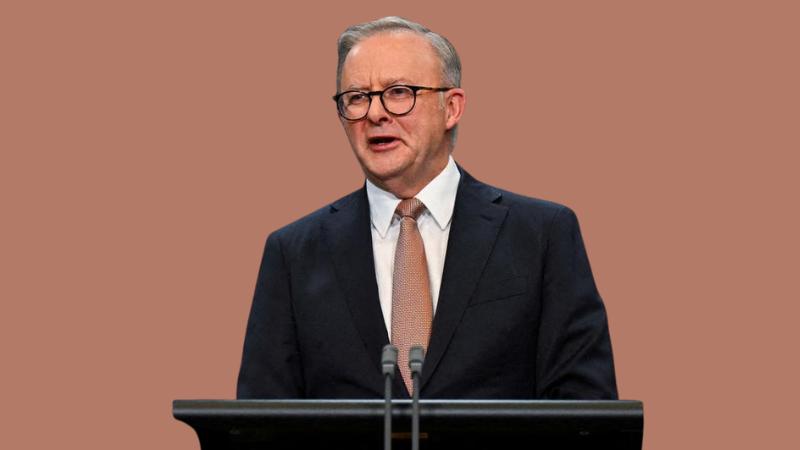
Australian Prime Minister Anthony Albanese has called on opposition senator Jacinta Nampijinpa Price to apologise after she made controversial remarks about the Indian community in Australia. Price, a member of the centre-right Liberal Party, suggested during a radio interview that large numbers of Indians were being allowed to migrate to the country in order to vote for Albanese’s Labor Party. Her comments sparked widespread anger, particularly within Australia’s Indian diaspora, one of the largest minority groups in the nation.
Albanese rejected the claims, stating that they were untrue and damaging. In an interview with national broadcaster ABC, he said, “People in the Indian community are hurting. The comments are not true that the senator made and, of course, she should apologise for the hurt that has been caused, and her own colleagues are saying that.” The prime minister stressed that divisive language had no place in a multicultural society like Australia, where Indian migrants have contributed significantly to social and economic life.
The remarks come amid heightened tensions following nationwide anti-immigrant protests, where sections of demonstrators blamed migrants, including Indians, for the country’s rising cost-of-living pressures. Government data shows that 845,800 Indian-born residents lived in Australia in 2023, more than double the number a decade earlier, with many more citizens of Indian ancestry. The Australian-Indian community has expressed dismay at being singled out, with calls for Price to retract her statements and issue a formal apology.
The New South Wales government convened a meeting with community leaders to address growing concerns over anti-Indian sentiment. NSW Premier Chris Minns emphasised unity, declaring, “Today we stand together with the Australian-Indian community to say unambiguously that the sort of racist rhetoric and divisive false claims we have seen over the last couple of weeks have no place in our state or country.” His words echoed the broader sentiment across political and community groups that such rhetoric undermines Australia’s multicultural fabric.
India’s foreign ministry has also raised the issue with Canberra, signalling concern over the rise in anti-Indian sentiment following recent protests. Analysts suggest that the controversy may strain diplomatic ties at a time when India and Australia are working to strengthen economic and strategic partnerships. Meanwhile, Albanese’s firm stance is seen as an attempt to reassure the Indian diaspora of their valued place in Australian society while countering inflammatory political narratives.
With mounting pressure from within her own party and public calls for accountability, Senator Price faces scrutiny over whether she will apologise or continue to defend her remarks. The episode has reignited debate on immigration, racism, and political responsibility in modern Australia, highlighting the sensitive balance leaders must strike in addressing community concerns without fuelling division.