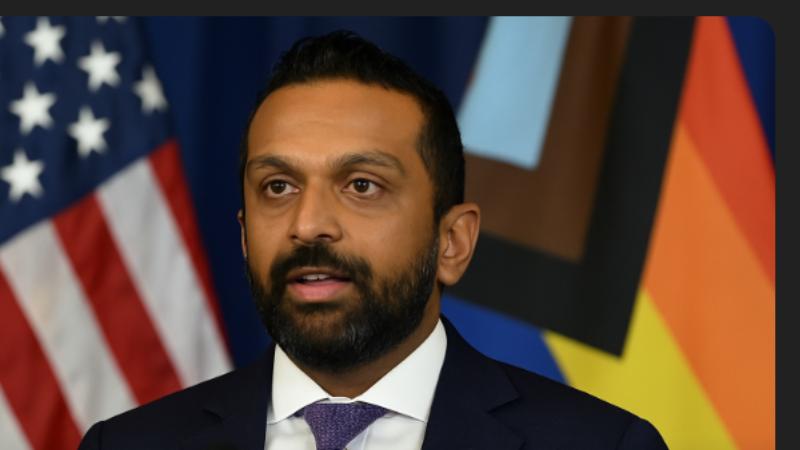
A controversy has erupted after Kash Patel, serving as Director of the Federal Bureau of Investigation, dismissed an employee for displaying a Pride flag at his workstation. The employee was in the process of new agent training at the FBI academy in Quantico, Virginia, when he received a dismissal letter ordering his immediate removal. The decision has generated debate over workplace neutrality, diversity, and the boundaries of acceptable expression in federal institutions.
The employee had built a record of service before beginning agent training. In his non-agent role, he had received several awards for performance and also served as a diversity program coordinator in a field office. His display of a Pride flag at his desk, however, was cited by leadership as grounds for dismissal. The move has drawn attention both because of his past service and because of the symbolism of the Pride flag in discussions around representation and equality.
In the letter of dismissal, Patel did not specifically name the Pride flag as the cause. Instead, he framed the decision around what he called “poor judgment” and “an inappropriate display of political signage.” By classifying the flag as political expression, the case was treated as a violation of professional standards expected during agent training. The wording of the letter left little room for ambiguity, and the dismissal was made immediate and final without recourse for appeal.
The swiftness of the action has sparked questions about the consistency of disciplinary enforcement within federal agencies. While government workplaces often maintain strict neutrality by restricting personal or political displays, many argue that the Pride flag has become more than a political statement. For supporters, it represents identity, inclusivity, and solidarity, while for critics it is seen as advocacy that does not belong in official spaces.
The decision has deepened a broader debate about how workplaces should handle symbols that are viewed differently by various groups. On one side are those who see the dismissal as necessary to preserve neutrality within highly sensitive government institutions. On the other are those who argue that treating the Pride flag as inappropriate political signage undermines inclusivity and risks alienating employees committed to diversity.
For the employee involved, the consequences are career-altering, cutting short his training and potential future within the bureau. For the agency itself, the move signals a firm stance on workplace displays that leadership deems inconsistent with professional standards. The incident also raises questions about how future cases will be handled and whether clearer guidelines will emerge to distinguish between political expression and cultural representation.
The dismissal also underscores the difficulty of balancing institutional neutrality with personal expression in federal workplaces. While Patel emphasized professional judgment and discipline, critics argue the action was disproportionate, especially given the employee’s service record and his past role in advancing diversity initiatives. The outcome may influence how other federal agencies approach similar situations, potentially shaping broader workplace policies.
For now, the decision stands as a defining moment, both for the individual dismissed and for the message it sends about the current direction of agency leadership. The controversy surrounding the Pride flag in this case reflects a larger national conversation about identity, neutrality, and the limits of expression in public service.
The employee had built a record of service before beginning agent training. In his non-agent role, he had received several awards for performance and also served as a diversity program coordinator in a field office. His display of a Pride flag at his desk, however, was cited by leadership as grounds for dismissal. The move has drawn attention both because of his past service and because of the symbolism of the Pride flag in discussions around representation and equality.
In the letter of dismissal, Patel did not specifically name the Pride flag as the cause. Instead, he framed the decision around what he called “poor judgment” and “an inappropriate display of political signage.” By classifying the flag as political expression, the case was treated as a violation of professional standards expected during agent training. The wording of the letter left little room for ambiguity, and the dismissal was made immediate and final without recourse for appeal.
The swiftness of the action has sparked questions about the consistency of disciplinary enforcement within federal agencies. While government workplaces often maintain strict neutrality by restricting personal or political displays, many argue that the Pride flag has become more than a political statement. For supporters, it represents identity, inclusivity, and solidarity, while for critics it is seen as advocacy that does not belong in official spaces.
The decision has deepened a broader debate about how workplaces should handle symbols that are viewed differently by various groups. On one side are those who see the dismissal as necessary to preserve neutrality within highly sensitive government institutions. On the other are those who argue that treating the Pride flag as inappropriate political signage undermines inclusivity and risks alienating employees committed to diversity.
For the employee involved, the consequences are career-altering, cutting short his training and potential future within the bureau. For the agency itself, the move signals a firm stance on workplace displays that leadership deems inconsistent with professional standards. The incident also raises questions about how future cases will be handled and whether clearer guidelines will emerge to distinguish between political expression and cultural representation.
The dismissal also underscores the difficulty of balancing institutional neutrality with personal expression in federal workplaces. While Patel emphasized professional judgment and discipline, critics argue the action was disproportionate, especially given the employee’s service record and his past role in advancing diversity initiatives. The outcome may influence how other federal agencies approach similar situations, potentially shaping broader workplace policies.
For now, the decision stands as a defining moment, both for the individual dismissed and for the message it sends about the current direction of agency leadership. The controversy surrounding the Pride flag in this case reflects a larger national conversation about identity, neutrality, and the limits of expression in public service.