The Department of Homeland Security, which oversees the Transportation Security Administration, reported increased congestion at airport checkpoints and emphasized the need for travelers to plan accordingly. Since mid-February, the partial shutdown has led to reduced staffing at TSA checkpoints, contributing to longer lines and slower processing times across U.S. airports. Travelers have been advised that spring travel seasons can further exacerbate these delays.
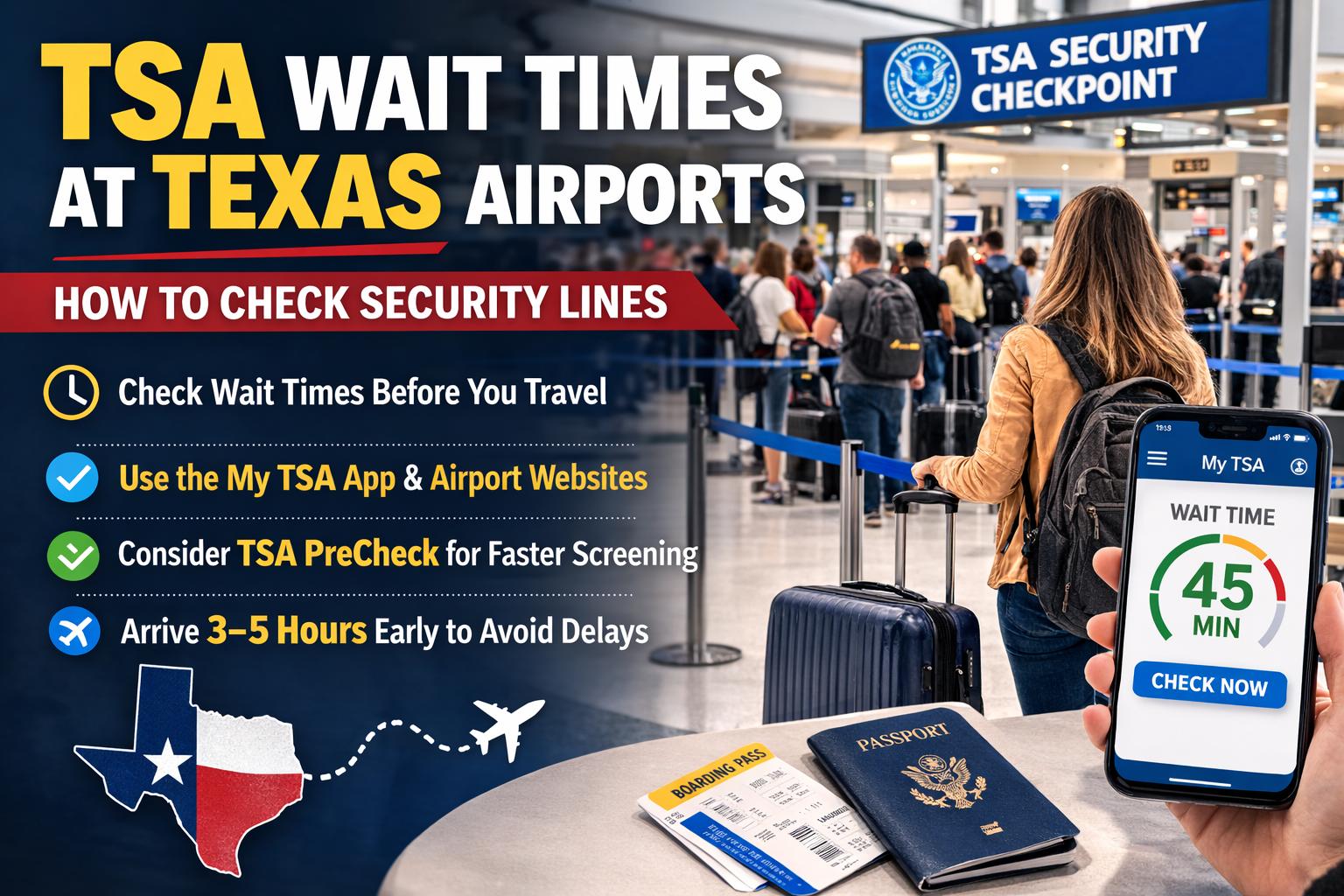
In Texas, the impact has been particularly noticeable. At major airports, security waits of three hours or more have been reported, leading to warnings for passengers to arrive significantly earlier than usual. The extended wait times underscore the importance of checking estimated security wait times before traveling and preparing for possible delays.
Travelers can monitor TSA wait times using the My TSA App or by visiting airport websites, which provide updated information about security line lengths. While these sources offer helpful estimates, officials caution that actual wait times may vary, especially during peak travel periods or when staffing shortages occur.
For passengers seeking a faster and more convenient airport experience, TSA PreCheck offers expedited screening for travelers deemed low-risk. Participants can move through security without removing shoes, laptops, liquids, belts, or light jackets, which can significantly reduce waiting times. Enrollment in TSA PreCheck requires an application fee that covers five years of participation upon approval, providing a long-term solution for frequent travelers.
By using available resources to check security wait times and considering TSA PreCheck enrollment, travelers can better manage potential delays at Texas airports. Early planning and awareness of current conditions are essential for ensuring a smooth and timely airport experience during periods of high passenger volume or government-related disruptions.