Analogue paneer labelling rules may tighten
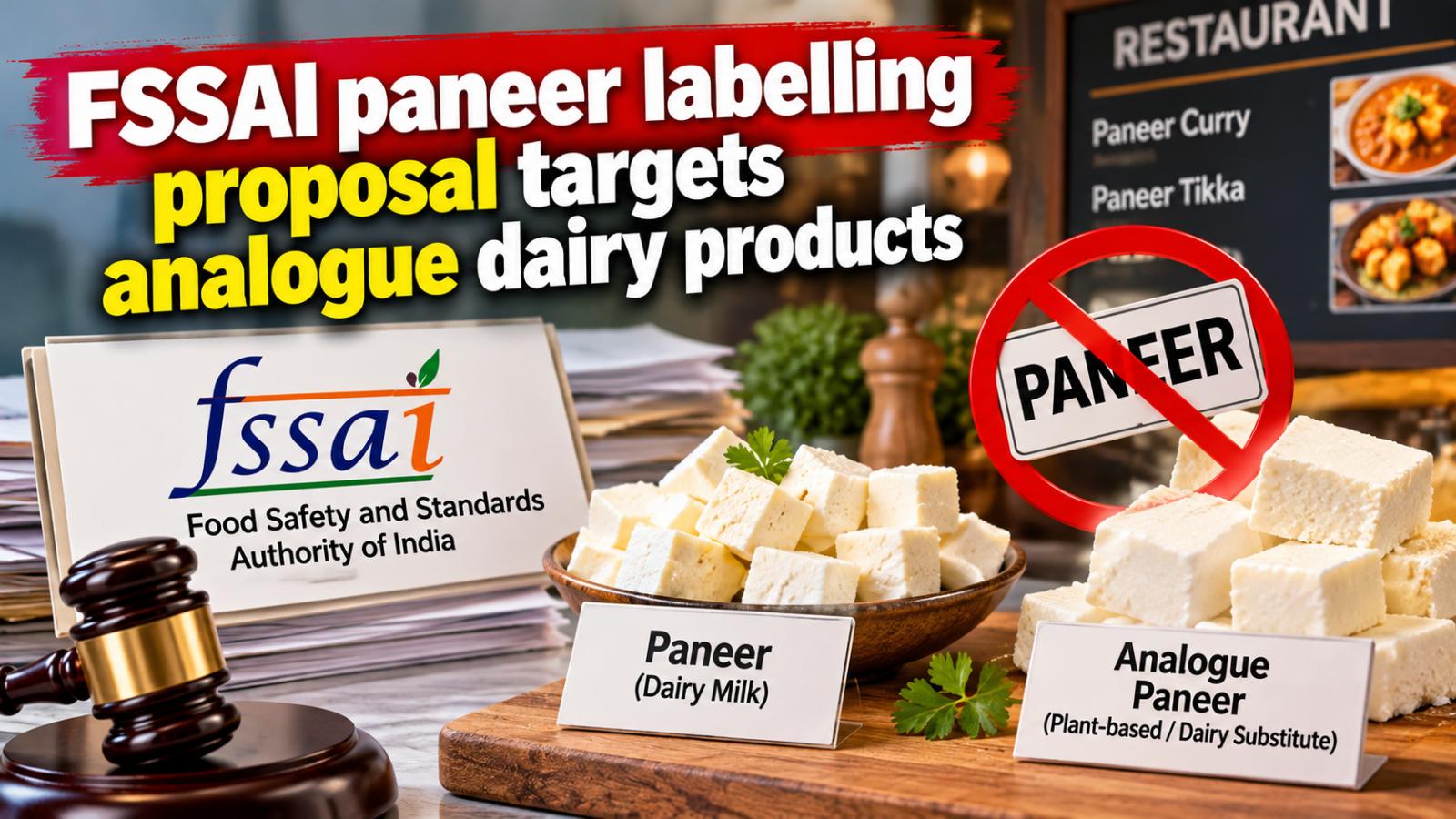
The Food Safety and Standards Authority of India has proposed stricter rules on the use of the word “paneer” for analogue dairy products. The move is aimed at preventing consumers from being misled when a substitute product is sold or presented in a way that resembles traditional dairy paneer.
Under the proposal, businesses such as restaurants, hotels and catering services using analogue paneer or cheese products may need to clearly disclose that information to customers. This could apply to menu cards, packaging and other consumer-facing labels, making it easier for buyers to understand what they are actually purchasing.
The proposal could also affect products already registered under the “Analogue in Dairy Context” category. If the new rules are implemented, such products may no longer be allowed to use “paneer” in the product name, label or promotional material.
The broader goal is to create clearer separation between traditional dairy paneer and products made using substitute ingredients. For consumers, this could make food choices more transparent, particularly when ordering prepared food or buying packaged products.
Paneer substitute disclosure could affect restaurants and brands
The paneer substitute disclosure requirement could have a direct impact on food businesses that currently use analogue products. Restaurants, hotels, caterers and packaged-food companies may need to update menus, labels and promotional materials to ensure customers are not given the impression that they are receiving conventional paneer.
The proposal also highlights a wider push toward stronger food labelling and consumer transparency. Products that look, taste or cook like paneer may not necessarily be made in the same way as traditional dairy paneer, which is why clear identification matters.
For businesses, compliance could mean reviewing how products are described across menus, packaging and advertising. For consumers, the change could reduce confusion and make it easier to compare dairy products with substitutes before making a purchase.
The proposal should not be treated as a final nationwide ban at this stage. Businesses and consumers will need to watch for the final FSSAI notification, implementation timeline and detailed compliance requirements before the rules take effect.