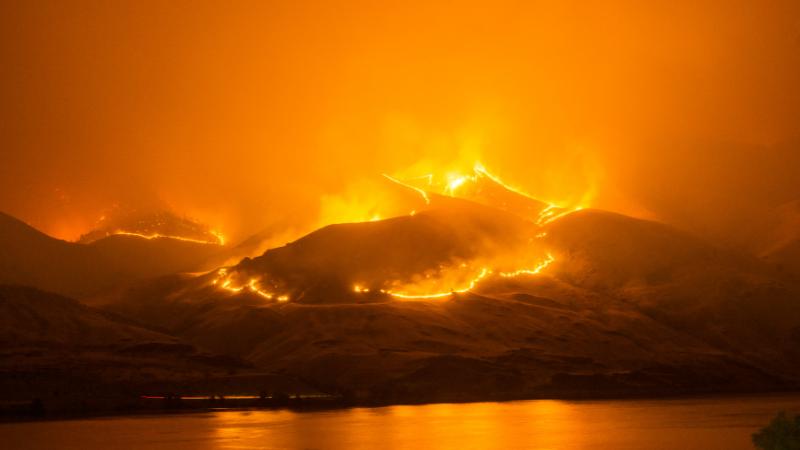
More than 17,000 people have been evacuated due to the intensity of the wildfires. As strong upper-level winds carry the smoke southward, air quality has begun to deteriorate in numerous U.S. cities. Regions already experiencing hazy conditions and lowered air quality include parts of the Upper Midwest and Great Lakes, with cities such as Minneapolis, Milwaukee, Green Bay, Chicago and Detroit reporting smoky skies. This smoke is also pushing east and south, spreading into areas like Washington D.C., Maryland, Virginia, Pennsylvania, the Carolinas, Kentucky, Tennessee and West Virginia.
Forecast models indicate that smoke will continue drifting into the D.C. region through Tuesday, with visibility possibly affected by haze or a pale tint in the sky. While the visual impact might be mild, the real concern lies in air quality. Over the weekend, air quality in the D.C. area is expected to remain at a “moderate” level.
A moderate air quality rating indicates that while the air remains acceptable for the general public, there may be some risks for individuals who are sensitive to air pollution. These include people with respiratory conditions such as asthma, bronchitis, or other lung-related illnesses. Sensitive individuals are advised to avoid strenuous outdoor activity and monitor their health closely for symptoms like shortness of breath or persistent coughing.
Regional environmental agencies recommend that people who are unusually affected by pollution should consider limiting time spent outdoors, especially during peak smoke periods. Even though the majority of residents can go about their normal routines, staying informed and cautious is encouraged.
For healthy individuals, minimal effects are expected. However, extended time outdoors during smoky conditions could lead to mild discomfort, particularly during physical exertion. The general population should be mindful but not alarmed, as most can continue outdoor activities without significant concern.
This event serves as a stark reminder of how wildfire activity in one part of the continent can influence air quality thousands of miles away. Increasingly frequent wildfires, driven by warmer temperatures and dry conditions, are not just a local hazard but part of a broader environmental issue affecting much of North America.
Officials continue to track the movement of the smoke and monitor changes in air quality. Residents in affected areas are advised to stay updated through reliable air quality monitoring tools and take reasonable steps to protect their health, particularly those in vulnerable health categories.
As conditions evolve, the situation highlights the need for increased awareness about the long-range impact of wildfires and the importance of air quality precautions. What begins as a regional fire event can quickly become a multi-state environmental concern, affecting millions far beyond the original burn zone.