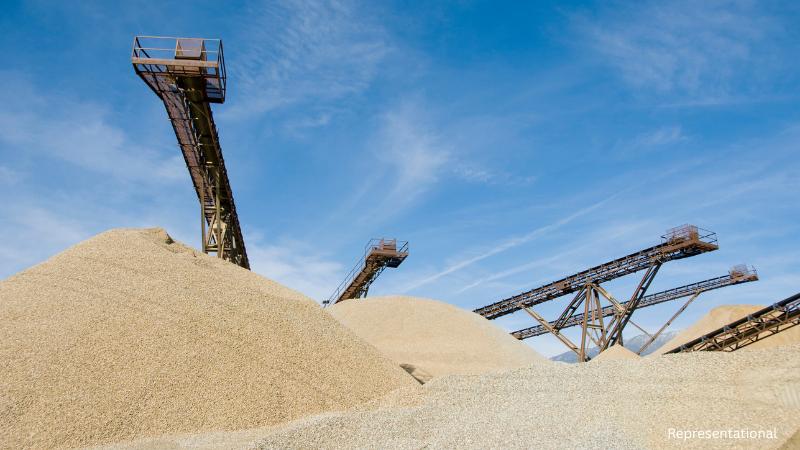
A long-polluted Santa Clara County hillside is finally on the road to environmental recovery as Heidelberg Materials begins a major restoration project for Permanente Creek. For decades, the Lehigh Permanente Quarry and Cement Plant near Cupertino released pollutants that severely impacted the waterway, wildlife, and surrounding ecosystem. Now, after years of delays and community concerns, the company has outlined an extensive plan to restore approximately 1.7 miles of the creek, marking a significant step toward reversing years of environmental damage.
At a recent community meeting, Heidelberg Materials shared details of its multimillion-dollar project to remove thousands of tons of debris and contaminated sediment that have accumulated from nearly a century of limestone mining and 80 years of cement plant operations. The restoration effort, mandated by a settlement with the Sierra Club, is expected to be completed by 2030. Work will begin in collaboration with the San Francisco Bay Regional Water Quality Control Board and Santa Clara County, with the goal of returning the creek to its natural state, one that once supported diverse wildlife including the threatened steelhead trout.
Greg Ronczka, vice president of environment and sustainability for Heidelberg’s North America division, expressed optimism about the start of this large-scale environmental cleanup, describing it as a turning point for the facility. The company is not only addressing the creek’s condition but also the broader reclamation of the 3,510-acre site. The larger project involves filling the quarry and cement plant hole with millions of cubic yards of material to prevent further leaching of contaminants into the environment. An environmental review of the full reclamation plan is currently underway, with a report expected early next year.
Environmental advocates, particularly from the Sierra Club, have been pushing for this restoration for years, citing the severe impacts of selenium and nickel pollution from the quarry on the creek’s ecosystem. Katja Irvin, conservation chair for the Sierra Club’s Guadalupe Group, emphasized the importance of removing contaminated sediment to improve water quality. She noted that the long-delayed cleanup could finally allow the ecosystem to recover, benefiting both aquatic life and downstream environments, including the San Francisco Bay.
The project comes in the wake of the cement kiln and quarry’s closure in 2023 after a history of more than 2,100 environmental violations, including over 100 serious infractions, reported between 2012 and 2021. The site had played a significant role in regional construction projects, supplying materials for infrastructure like the San Jose Mineta International Airport and portions of the Golden Gate Bridge. However, the legacy of pollution left behind has been a growing concern for residents, environmentalists, and local officials.
Community trust remains fragile, with activists like Cupertino resident Rhoda Fry expressing frustration over slow government action and gaps in communication between agencies. Residents have long demanded accountability and transparency in the cleanup efforts. In response, Heidelberg Materials has pledged to rebuild trust through listening sessions and ongoing community engagement, promising to address concerns as the work progresses.
The cleanup project will also involve careful pre-demolition work on dozens of on-site structures to prevent asbestos release, alongside other measures to ensure environmental safety during the restoration process. Local stakeholders, including Santa Clara County’s environmental health and planning departments, will provide oversight throughout the project to ensure compliance and effectiveness.
District 5 Supervisor Margaret Abe-Koga, who represents the area, stressed the importance of rigorous monitoring and collaboration with Heidelberg to make sure the cleanup achieves its goals. The project represents both a challenge and an opportunity to restore a damaged ecosystem and turn the page on a long history of environmental neglect.
For now, residents and environmental groups will be watching closely as the first phase of the cleanup begins. With the commitment to remove decades of pollution and restore natural habitats, the Permanente Creek project may pave the way for a healthier future for Santa Clara’s environment.