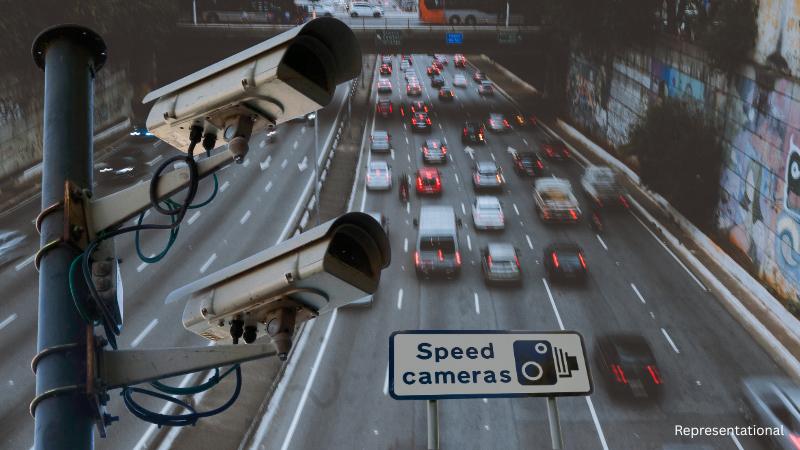
San Francisco has officially started issuing citations to drivers caught speeding by its network of traffic cameras, marking the end of the two-month warning phase of the city’s road safety initiative. The city is part of a statewide effort to curb speeding-related accidents through a pilot program that uses automated speed enforcement technology. Beginning Tuesday, any vehicle detected traveling at least 11 miles per hour over the posted speed limit on designated streets will be subject to fines. These fines range from $50 to $500 depending on how far over the limit the driver is going, and they will be sent to the registered owner of the vehicle.
The cameras, a total of 33 installed across the city, were activated earlier this year to monitor dangerous intersections and gather data during a grace period where only warnings were issued. During this initial phase, thousands of warning letters were sent to drivers as part of an effort to educate the public and encourage safer driving habits before fines were implemented. Residents report that the warnings have already had a significant impact, with many drivers becoming more cautious as they approach intersections monitored by cameras. According to one San Francisco resident, the warning notices were effective enough to make drivers more aware of their speeds and locations of cameras, prompting them to slow down well before enforcement began.
The San Francisco Municipal Transportation Agency released data from the two-month warning phase, revealing that more than 70 percent of drivers who received an initial warning did not receive a second, indicating that the program is already achieving its goal of reducing speeding incidents. City officials have emphasized that the primary aim of the program is not to issue fines but to enhance public safety by lowering traffic speeds in high-risk areas. The locations of the cameras were chosen based on accident data and identified as some of the most dangerous intersections in the city.
San Francisco is one of six cities in California participating in a five-year pilot program to assess the effectiveness of automated speed enforcement. Along with San Francisco, the cities of San Jose and Oakland were also selected, with San Jose still finalizing the timeline for its camera activations and Oakland planning to launch its program later this year. This initiative comes as part of a broader statewide effort to address traffic fatalities and serious injuries, particularly in urban areas where speeding is a leading factor in accidents.
Automated speed enforcement has been implemented successfully in other states and countries, showing that cameras can significantly reduce speeding and save lives. Supporters of the program argue that cameras offer consistent enforcement without the need for police presence, freeing law enforcement resources for other public safety duties. Opponents have raised concerns about privacy and the fairness of automated tickets, but the pilot program in California is being closely monitored to ensure transparency and effectiveness.
In San Francisco, the start of fine enforcement signals a major step toward a safer traffic environment. The fines are structured to escalate with the severity of the violation, discouraging excessive speeding while still giving room for first-time minor offenders to learn from their mistakes. Officials also stress that the program includes clear signage to alert drivers of camera locations, making enforcement predictable rather than punitive.
As the pilot program continues, state and local authorities will collect data on its impact, including changes in driving behavior, accident rates, and public feedback. The results will determine whether automated speed enforcement becomes a permanent feature across California. For now, San Francisco drivers are encouraged to pay close attention to their speed, especially near intersections with cameras, to avoid costly fines and contribute to safer roads.
With this enforcement now underway, the city aims to create lasting changes in driver behavior, making streets safer not just for motorists but also for pedestrians and cyclists. The early data is promising, and officials remain hopeful that the program will continue to deliver positive outcomes as it progresses through its five-year trial period.