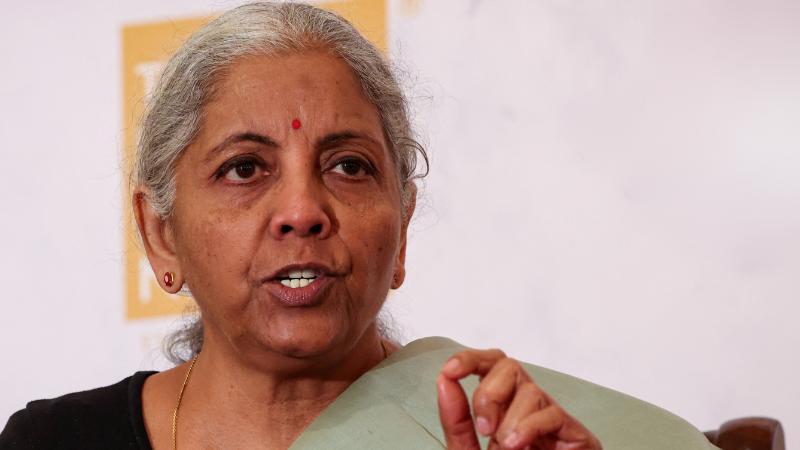
The Income Tax (No 2) Bill, aimed at replacing the six-decade-old Income Tax Act of 1961, has been passed in the Lok Sabha, introducing a ‘S.I.M.P.L.E’ framework Streamlined structure and language, Integrated and concise, Minimised litigation, Practical and transparent, Learn and adapt, and Efficient tax reforms. Presented by Finance Minister Nirmala Sitharaman, the bill has been reworked based on 285 recommendations from a select committee led by Baijayant Panda, with most suggestions accepted. It will come into effect from April 1, 2026.
The new law simplifies the tax code by nearly 50%, clarifies deductions, improves cross-referencing, and addresses ambiguities in areas like income from house property and home loan interest deductions. It introduces explicit provisions for commuted pension deductions, reinstates inter-corporate dividend deductions under Section 80M, and aligns MSME definitions with the latest classification based on investment and turnover. Property tax rules have been refined, setting standard deductions at 30% and revising rental income valuation methods.
Significant procedural changes include allowing refunds even with late returns, eliminating penalties for late TDS filing, and enabling taxpayers with no liability to obtain nil-TDS certificates in advance. The concept of a unified ‘tax year’ will replace the existing financial and assessment year system, ensuring tax is paid in the same year income is earned. Redundant provisions, such as fringe benefit tax sections, have been removed, and reader-friendly tables for TDS, presumptive taxation, and other calculations have been added.
Importantly, the bill does not alter existing income tax slabs, retaining the current rates under both the old and new regimes. The Finance Ministry has assured that definitions established through court rulings will remain unchanged, ensuring continuity alongside simplification. The reforms aim to make compliance easier for individuals and MSMEs, reduce litigation, and create a more transparent, taxpayer-friendly system.