- devara
- 04 Feb 2025
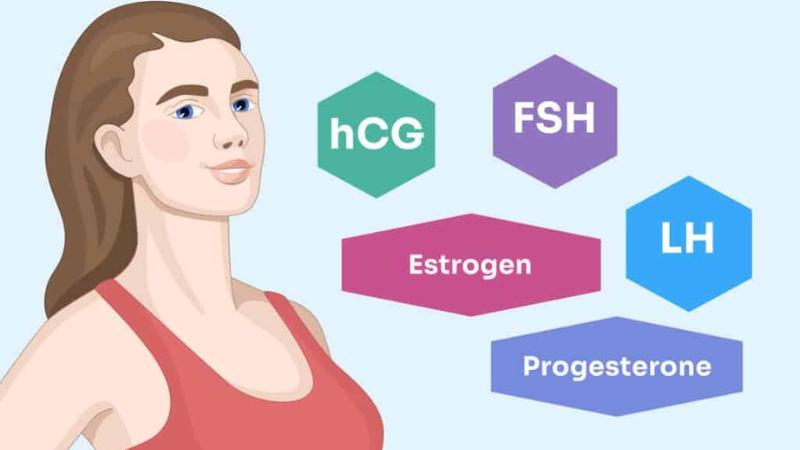
Hormones play a vital role in regulating various functions in the body, and they have a significant impact on fertility, especially in women. These chemical messengers fluctuate throughout a woman's menstrual cycle, influencing processes like ovulation and menstruation. An imbalance in fertility hormones can lead to various issues such as irregular menstrual cycles, infertility, and challenges in pregnancy. To help understand the link between hormones and fertility, gynecologist Dr. Anjali Kumar discussed the five main hormones that play a key role in women’s fertility.
-
AMH - Anti-Mullerian Hormone
AMH helps assess the ovarian reserve, which refers to the number of eggs remaining in the ovaries. It serves as an important indicator of fertility potential, especially for women considering treatments like IVF. -
FSH - Follicle Stimulating Hormone
FSH, produced by the pituitary gland, is essential for the growth and maturation of ovarian follicles. Its levels help understand ovarian function. High FSH levels may indicate a lower egg reserve, signaling the body is working harder to produce eggs. -
Estradiol (E2)
Estradiol is a form of estrogen, and its levels are monitored during ovarian stimulation, particularly during fertility treatments like IVF or IUI. It tracks follicle growth and supports pregnancy by preparing the body for childbirth. -
TSH - Thyroid-Stimulating Hormone
Thyroid health is crucial for fertility. Both hypothyroidism and hyperthyroidism can interfere with ovulation and hinder the chances of a healthy pregnancy. Proper TSH levels are essential for balancing thyroid function and maintaining fertility. -
Progesterone
Progesterone is critical in preparing the uterine lining for embryo implantation. It helps sustain pregnancy, and without adequate levels, the embryo may not implant successfully, making progesterone levels essential for fertility.
Understanding how these hormones impact fertility can provide valuable insight into reproductive health and the ability to conceive. Maintaining hormonal balance is essential for overall reproductive well-being and successful fertility treatments.