













8 Foods to Avoid for Better PCOS Management and Hormonal Balance
Polycystic Ovary Syndrome (PCOS) is a common hormonal disorder affecting women of reproductive age. Symptoms like irregular periods, weight gain, acne, excessive hair growth, and infertility can significantly impact daily life. Insulin resistance is also a key issue, making it harder for the body to regulate blood sugar. A balanced diet plays a crucial role in managing PCOS, particularly when it comes to controlling blood sugar, reducing insulin spikes, and minimizing inflammation.
8 Foods to Avoid for Better PCOS Management and Hormonal Balance
Polycystic Ovary Syndrome (PCOS) is a common hormonal disorder affecting women of reproductive age. Symptoms like irregular periods, weight gain, acne, excessive hair growth, and infertility can significantly impact daily life. Insulin resistance is also a key issue, making it harder for the body to regulate blood sugar. A balanced diet plays a crucial role in managing PCOS, particularly when it comes to controlling blood sugar, reducing insulin spikes, and minimizing inflammation.
Thyroid Problems During Pregnancy: Key Tests, Risks, and Prevention Tips
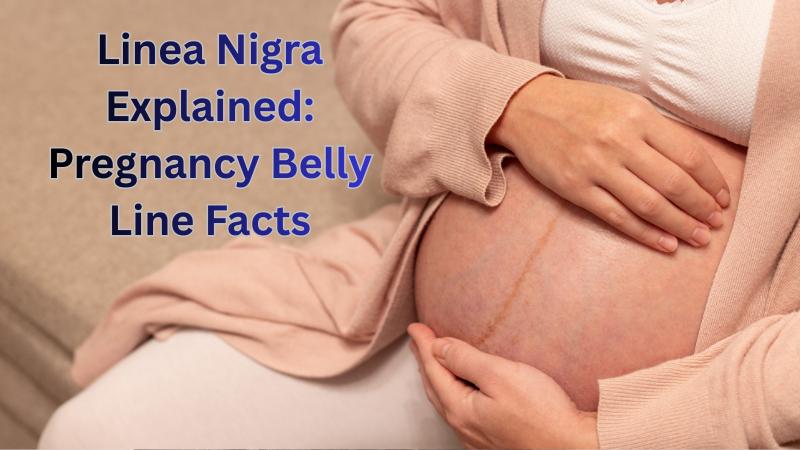
1.Introduction to Thyroid Problems in Pregnancy: Thyroid problems, particularly hypothyroidism (underactive thyroid) and hyperthyroidism (overactive thyroid), are on the rise among pregnant women. The thyroid gland plays a crucial role in regulating metabolism, energy, and overall body functions, making it vital for a healthy pregnancy. 2.Symptoms and Impact of Thyroid Issues: Hypothyroidism symptoms: Fatigue,
Thyroid Problems During Pregnancy: Key Tests, Risks, and Prevention Tips
1.Introduction to Thyroid Problems in Pregnancy: Thyroid problems, particularly hypothyroidism (underactive thyroid) and hyperthyroidism (overactive thyroid), are on the rise among pregnant women. The thyroid gland plays a crucial role in regulating metabolism, energy, and overall body functions, making it vital for a healthy pregnancy. 2.Symptoms and Impact of Thyroid Issues: Hypothyroidism symptoms: Fatigue,
5 Key Hormones That Affect Fertility in Women: Dr. Anjali Kumar's Insights
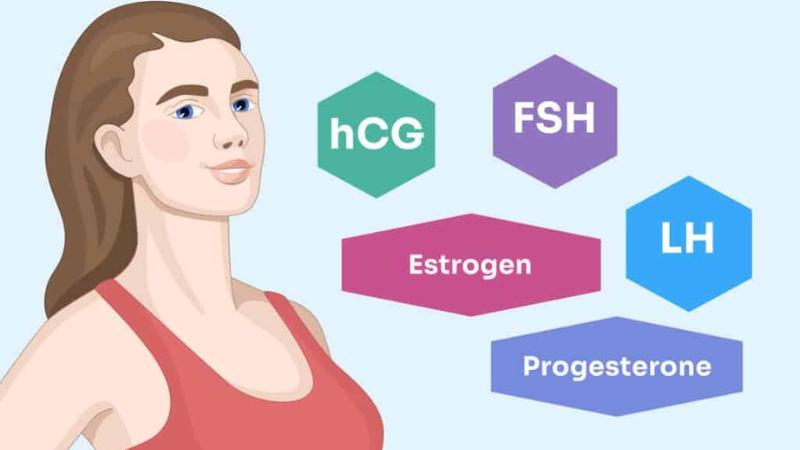
Hormones play a vital role in regulating various functions in the body, and they have a significant impact on fertility, especially in women. These chemical messengers fluctuate throughout a woman's menstrual cycle, influencing processes like ovulation and menstruation. An imbalance in fertility hormones can lead to various issues such as irregular menstrual cycles, infertility, and challenges in pregnancy. To help understand the link between hormones and fertility, gynecologist Dr. Anjal
5 Key Hormones That Affect Fertility in Women: Dr. Anjali Kumar's Insights
Hormones play a vital role in regulating various functions in the body, and they have a significant impact on fertility, especially in women. These chemical messengers fluctuate throughout a woman's menstrual cycle, influencing processes like ovulation and menstruation. An imbalance in fertility hormones can lead to various issues such as irregular menstrual cycles, infertility, and challenges in pregnancy. To help understand the link between hormones and fertility, gynecologist Dr. Anjal
Women at Higher Risk of Long Covid, Study Finds; Age Group 40-55 Most Affected
A recent study published in The Journal of the American Medical Association (JAMA) Network Open reveals that women may have a 31% higher risk of developing long Covid compared to men, with the highest risk observed in those aged 40-55 years. Among this group, menopausal women face a 42% higher risk, while non-menopausal women show a 45% increase. The study, based on the 'RECOVER' trial, included over 12,200 participants and was led by researchers from The University of Texas,
Women at Higher Risk of Long Covid, Study Finds; Age Group 40-55 Most Affected
A recent study published in The Journal of the American Medical Association (JAMA) Network Open reveals that women may have a 31% higher risk of developing long Covid compared to men, with the highest risk observed in those aged 40-55 years. Among this group, menopausal women face a 42% higher risk, while non-menopausal women show a 45% increase. The study, based on the 'RECOVER' trial, included over 12,200 participants and was led by researchers from The University of Texas,


