Supreme Court Questions Fairness of ED and CBI in Delhi Liquor Policy Case; Grants Bail to K Kavitha"
In a noteworthy development in the Delhi liquor policy case, the Supreme Court has questioned the Enforcement Directorate (ED) and Central Bureau of Investigation's (CBI) approach, particularly their reliance on statements from former accused individuals who have turned approvers. Justices BR Gavai and KV Viswanathan expressed concerns about fairness, noting that these statements alone cannot be the sole basis for prosecution without corroborating direct evidence. This scrutiny highlights potential issues in how high-profile cases are handled by federal agencies.
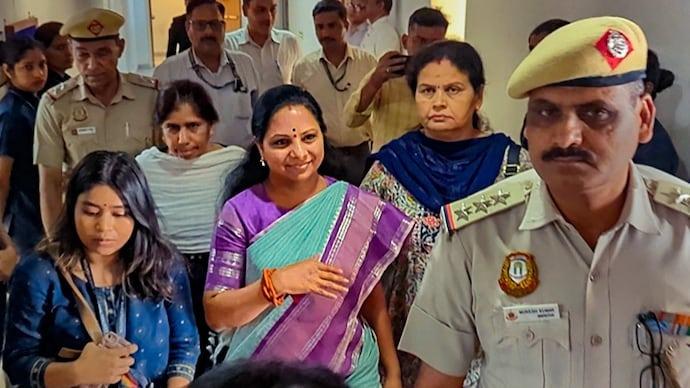
The court’s observation came in the context of the bail plea for Bharat Rashtra Samithi leader K Kavitha, who was arrested by the ED and CBI in connection with the case. Senior advocate Mukul Rohatgi, representing Kavitha, criticized the use of approvers' statements as evidence and argued that there was no substantial evidence against his client. The Supreme Court emphasized the need for solid evidence beyond the statements of approvers to justify keeping someone in custody.
Following the court's questioning of the agencies and dismissing claims about Kavitha deleting incriminating data from her mobile phone, the Supreme Court granted her bail. The court noted that Kavitha had been in jail for months without a trial, and her continued detention would violate her fundamental rights. The ruling also addressed misconceptions about the bail process for women, asserting that educational or professional status should not impact bail eligibility.