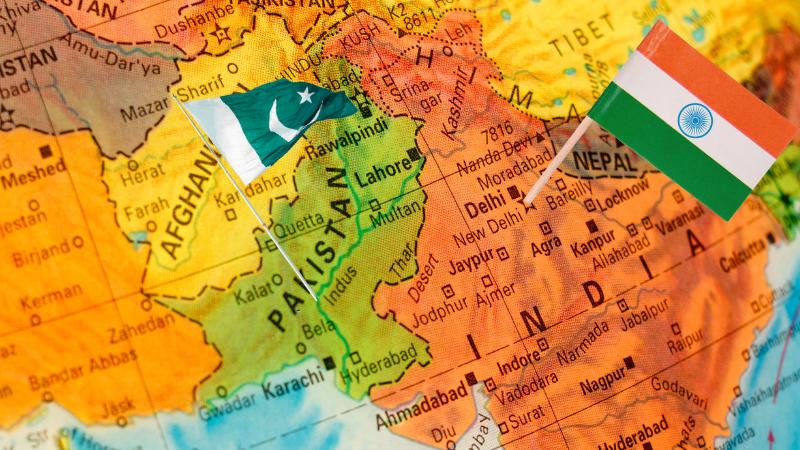
The United States has expressed deep concern over escalating tensions between India and Pakistan following the recent terror attack in Pahalgam, which claimed the lives of 26 people. In a statement issued on Monday, the U.S. State Department emphasized the importance of both nations adopting a responsible and peaceful approach to resolving the crisis. The message comes in the wake of growing uncertainty and strain between the two nuclear-armed neighbors, with the international community watching developments closely.
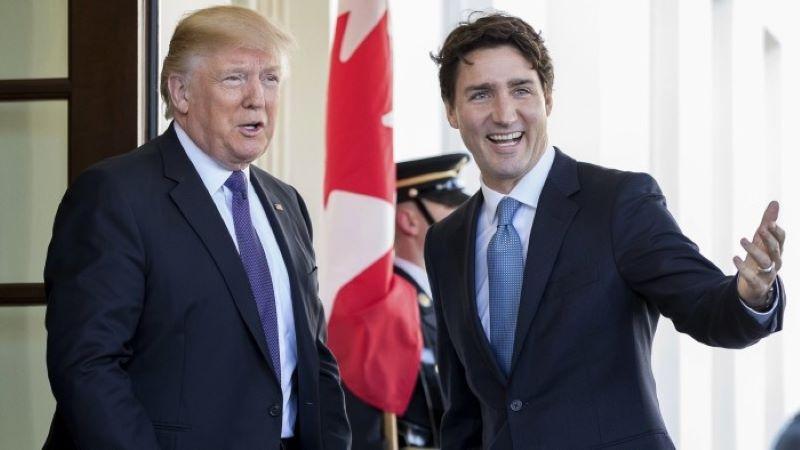
A spokesperson for the State Department reiterated the U.S. position, stating that Washington strongly condemns the terrorist assault in Pahalgam and stands in solidarity with India. This sentiment reflects recent remarks by U.S. leadership, including President Donald Trump and Vice President J.D. Vance, who both acknowledged the gravity of the attack and extended support to New Delhi. Trump characterized the April 22 incident as a deeply troubling event, while Vance echoed the administration’s unwavering backing of India’s position in combating terrorism.
The statement also made clear that the U.S. government is maintaining active communication with both India and Pakistan. This includes engagements at several diplomatic and strategic levels, demonstrating Washington’s vested interest in the region’s stability and its desire to play a constructive role in preventing further escalation.
Highlighting the complexity of the situation, the spokesperson noted that it continues to evolve and that the United States is monitoring developments in real time. The U.S. government has made it clear that it encourages all parties involved to exercise restraint, uphold international norms, and work towards a peaceful resolution. The repeated emphasis on dialogue and diplomacy underscores a broader American approach that seeks to reduce the potential for armed conflict while supporting counterterrorism efforts.
The April 22 terror strike in Pahalgam, situated in the restive region of Jammu and Kashmir, has reignited long-standing hostilities between India and Pakistan. While New Delhi has yet to publicly accuse any specific group with cross-border ties, India’s response has been firm, emphasizing the need for accountability and zero tolerance for terrorism. Pakistan, meanwhile, has denied any involvement, though tensions along the Line of Control have visibly increased since the incident.
Against this backdrop, the U.S. is urging both sides to move away from provocation and toward diplomatic engagement. The White House’s measured tone signals a careful balancing act aimed at maintaining strong ties with both India and Pakistan, while continuing to condemn extremist violence in the region. It also reflects broader American strategic interests in South Asia, where regional peace and stability are seen as vital to economic and geopolitical equilibrium.
Observers say Washington’s response is consistent with its historical stance during periods of crisis in the subcontinent. Previous administrations have often acted as intermediaries or expressed concern during escalations, particularly when conflict threatens to disrupt broader international security frameworks. The current statement from the State Department fits within that pattern, indicating continued American efforts to influence the situation without taking overt sides beyond condemning terrorism.
As regional leaders and international stakeholders continue to respond, the role of global diplomacy is once again under the spotlight. Whether the Pahalgam attack becomes a flashpoint for renewed hostilities or an opportunity for dialogue may depend in part on how the United States and other world powers engage with both India and Pakistan in the days to come. The message from Washington is clear: the world is watching, and the stakes are high.