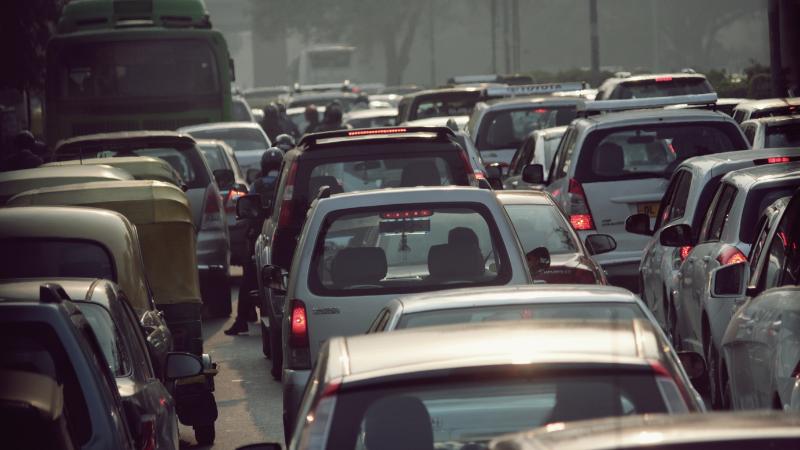
Gas prices in Northern California are expected to surge dramatically in the coming weeks, with predictions suggesting commuters could soon be paying more than $8.00 per gallon at the pump. The anticipated spike is being attributed to multiple factors, including the looming closure of key oil refineries and the unique fuel requirements mandated within the state. While fuel prices across the United States often fluctuate due to global market conditions, California consistently ranks among the most expensive states for gasoline due to its strict environmental regulations and exclusive fuel formulations.
California’s gasoline blend is unlike any other used in the country. It is specially refined to reduce emissions and meet the state’s air quality standards. This customized blend, often referred to as California Clean Burning Gasoline, requires a unique refining process that can only be performed at specific facilities equipped to meet the state's rigorous specifications. According to Michael Mische, a professor at the University of Southern California, this specialized fuel is part of the reason residents consistently pay a premium. He emphasized that the gasoline produced and sold within the state is not interchangeable with fuels from other regions, making California uniquely vulnerable to price shocks when local production is disrupted.
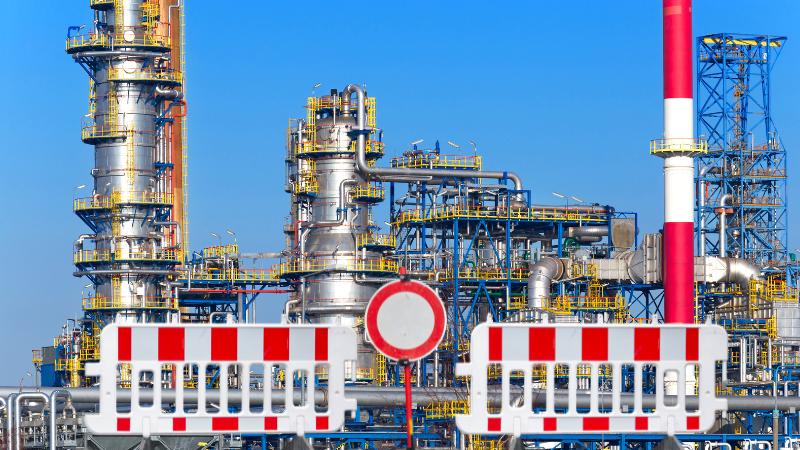
This vulnerability is becoming a pressing issue now that two major California refineries are scheduled to shut down. The Valero refinery located in Benicia, which plays a critical role in supplying fuel to Northern California, is among the facilities expected to halt operations. Another refinery in Southern California is also preparing to close, raising further concerns about statewide fuel supply shortages. The loss of refining capacity is set to tighten the available supply of California-compliant fuel even further, potentially leading to dramatic price increases at gas stations across the region.
The combination of decreased production and the state’s strict emissions standards means importing fuel from other states or countries is not a simple or immediate solution. Fuel imported into California must meet the same environmental standards, and few out-of-state refineries are equipped to produce the required formulation. As a result, even slight disruptions in California’s fuel supply chain can trigger significant price hikes. The upcoming closures are expected to exacerbate this problem, causing ripple effects that could last for months or longer, particularly if replacement capacity or new production solutions are not implemented quickly.
Consumers across the Bay Area and beyond are already bracing for financial strain as fuel prices begin inching upward in anticipation of these shutdowns. For commuters who rely on personal vehicles to travel long distances for work or school, the potential rise to over $8 per gallon poses a serious burden. Small businesses that depend on regular transportation, delivery services, and logistics could also face increasing operational costs, which may be passed on to consumers through higher prices for goods and services.
Moreover, the timing of the refinery closures adds another layer of urgency. The summer driving season typically sees higher fuel demand as Californians travel more frequently, both for work and leisure. If supply constraints coincide with peak travel periods, the price impact could be magnified. Energy analysts caution that without intervention or emergency measures to stabilize the market, the state could see record-breaking gas prices, further inflaming cost-of-living concerns in an already high-expense region.
State officials have not yet announced any immediate measures to counteract the potential surge in fuel prices. However, discussions around expanding refining capacity, investing in alternative energy infrastructure, and increasing fuel storage options have been ongoing in recent years as California pushes toward a greener future. While these long-term strategies aim to reduce the state's dependence on fossil fuels, they do little to alleviate the short-term challenges posed by the imminent refinery closures.
As the situation develops, consumers are urged to monitor fuel prices closely, consider carpooling or public transportation options when available, and stay informed about any potential fuel-saving programs or assistance initiatives that may be introduced at the state or local level. Until more clarity emerges, however, Northern Californians are left to brace for the financial impact of rising gas prices, with $8 per gallon no longer a hypothetical figure, but a looming reality.