President Donald Trump is drawing attention for his possible acceptance of a luxury aircraft from the government of Qatar to serve temporarily as Air Force One, a move that appears to clash with the foundational messaging of his “America First” policy. As the administration continues to urge Americans to prepare for economic restraint and reduced foreign dependency, the idea of the president flying aboard a foreign-donated jet has ignited widespread debate and concern.
The offer of the aircraft, which comes from a wealthy Gulf nation, is being reviewed by both countries’ legal departments. No final agreement has been made, but the proposed gift already has people questioning its appropriateness. Accepting such a high-value gift from another government raises potential constitutional issues, as the U.S. prohibits public officials from receiving gifts from foreign states without approval from Congress.
Trump defended the offer in a recent public appearance, stating that the aircraft would eventually be placed on display in his presidential library after his time in office. He claimed he would not use it personally once out of the White House and expressed gratitude for what he called a generous and helpful gesture.
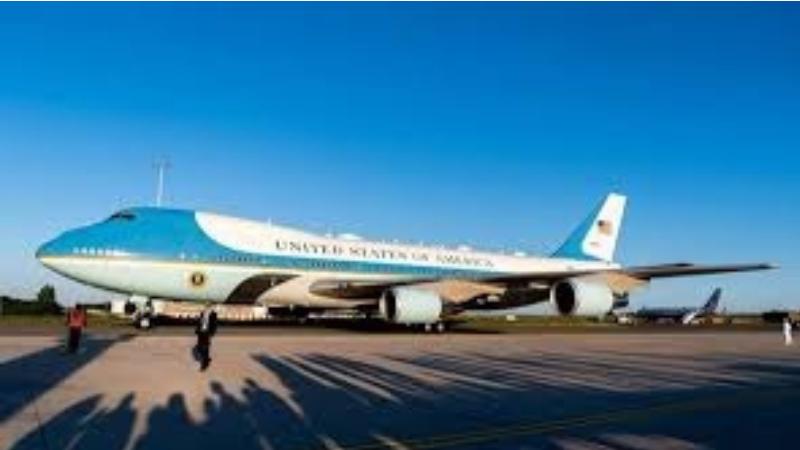
The current presidential aircraft, the iconic blue and white Boeing 747, is due to be replaced, but production delays have frustrated the administration. The new aircraft, specially outfitted with advanced defense and communication systems, may not be ready until 2027. In the meantime, the Qatari offer could serve as a stopgap, though implementing it would not be a simple process.
Retrofitting a commercial foreign aircraft to serve as Air Force One would involve major technical and security challenges. Experts have noted that the plane would need to be completely disassembled and inspected for potential surveillance threats. It would then require upgrades for mid-air refueling, missile defense systems, secure communications, and protections against electromagnetic pulses—making the transition costly and time-consuming.
Critics argue that the symbolic nature of Air Force One makes this plan deeply problematic. The aircraft represents not just transportation but the authority, independence, and power of the United States presidency. Using a foreign jet—even temporarily—could be seen as compromising that image, particularly for a president who has emphasized national pride, domestic production, and reduced foreign reliance.
Among Trump’s political supporters, reactions have been mixed. Some have expressed disappointment, seeing the move as contradictory to his message that Americans may need to accept economic sacrifices. While urging citizens to expect fewer consumer goods and manufacturing from abroad, accepting a luxurious aircraft from another country appears inconsistent with that vision.
Others have raised historical comparisons, pointing out previous controversies over foreign donations and gifts to American officials. They argue that the same standards should apply here, and that transparency and constitutional compliance are essential when dealing with such offers.
Despite these concerns, Trump has remained unapologetic. He emphasized the value of the gift and portrayed the decision as practical and beneficial for the country. The suggestion that the U.S. could either accept a generous offer or pay hundreds of millions for a new plane was used to frame the matter as one of common sense.
Still, the optics are hard to ignore. At a time when American leadership is promoting economic self-reliance, scaling back global supply chains, and urging citizens to expect less from foreign markets, the president accepting a foreign luxury jet for official use sends a mixed message.
The ongoing review process will determine whether the aircraft will ever carry the President of the United States. Regardless of the outcome, the proposal has already triggered broader conversations about consistency in leadership, the symbolism of national power, and the boundaries of diplomatic gifts. Whether the jet ever takes flight under the banner of Air Force One or not, the controversy surrounding it underscores the delicate balance between practical governance and the expectations set by political messaging.
The offer of the aircraft, which comes from a wealthy Gulf nation, is being reviewed by both countries’ legal departments. No final agreement has been made, but the proposed gift already has people questioning its appropriateness. Accepting such a high-value gift from another government raises potential constitutional issues, as the U.S. prohibits public officials from receiving gifts from foreign states without approval from Congress.
Trump defended the offer in a recent public appearance, stating that the aircraft would eventually be placed on display in his presidential library after his time in office. He claimed he would not use it personally once out of the White House and expressed gratitude for what he called a generous and helpful gesture.
The current presidential aircraft, the iconic blue and white Boeing 747, is due to be replaced, but production delays have frustrated the administration. The new aircraft, specially outfitted with advanced defense and communication systems, may not be ready until 2027. In the meantime, the Qatari offer could serve as a stopgap, though implementing it would not be a simple process.
Retrofitting a commercial foreign aircraft to serve as Air Force One would involve major technical and security challenges. Experts have noted that the plane would need to be completely disassembled and inspected for potential surveillance threats. It would then require upgrades for mid-air refueling, missile defense systems, secure communications, and protections against electromagnetic pulses—making the transition costly and time-consuming.
Critics argue that the symbolic nature of Air Force One makes this plan deeply problematic. The aircraft represents not just transportation but the authority, independence, and power of the United States presidency. Using a foreign jet—even temporarily—could be seen as compromising that image, particularly for a president who has emphasized national pride, domestic production, and reduced foreign reliance.
Among Trump’s political supporters, reactions have been mixed. Some have expressed disappointment, seeing the move as contradictory to his message that Americans may need to accept economic sacrifices. While urging citizens to expect fewer consumer goods and manufacturing from abroad, accepting a luxurious aircraft from another country appears inconsistent with that vision.
Others have raised historical comparisons, pointing out previous controversies over foreign donations and gifts to American officials. They argue that the same standards should apply here, and that transparency and constitutional compliance are essential when dealing with such offers.
Despite these concerns, Trump has remained unapologetic. He emphasized the value of the gift and portrayed the decision as practical and beneficial for the country. The suggestion that the U.S. could either accept a generous offer or pay hundreds of millions for a new plane was used to frame the matter as one of common sense.
Still, the optics are hard to ignore. At a time when American leadership is promoting economic self-reliance, scaling back global supply chains, and urging citizens to expect less from foreign markets, the president accepting a foreign luxury jet for official use sends a mixed message.
The ongoing review process will determine whether the aircraft will ever carry the President of the United States. Regardless of the outcome, the proposal has already triggered broader conversations about consistency in leadership, the symbolism of national power, and the boundaries of diplomatic gifts. Whether the jet ever takes flight under the banner of Air Force One or not, the controversy surrounding it underscores the delicate balance between practical governance and the expectations set by political messaging.